October 1, 2026
A 2.69B-parameter model with 'Turbo Brilliance' offers 24 modes for efficient, local text-generation on resource-constrained hardware.
September 30, 2026
AI accelerates digital transformation, but success requires clean data, a clear strategy, modernized systems, and human-centric implementation.
September 29, 2026
AI isn't good or evil; it's a force multiplier. The critical question is what human values and systems we choose to amplify with its power.
September 28, 2026
We are entering the 'Age of Giants,' where AI amplifies cognitive power. This demands a renewed focus on wisdom and purpose to guide humanity.
September 26, 2026
AI agents must differentiate between a lost response and a failed effect. Implement an 'unknown' state to prevent dangerous duplicate actions.
September 25, 2026
Shipping a text classifier to a government office revealed the true bottleneck isn't the model, but the human review process.
September 24, 2026
Bonsai-2-27B-CRACK-GGUF is a 27B model with its refusal circuit removed, enabling unfiltered outputs for AI safety and moderation research.
September 22, 2026
The hardest part of AI is no longer reasoning, but the systems engineering needed to reliably execute a model's decisions in production.
September 21, 2026
Your AI's context window is a power decision. As context doubles, tokens per watt halves. We must adopt chip design principles for efficiency.
September 20, 2026
Astra vs. Fable 5.1: A deep dive into flagship AI models. Choice depends on workflow—Astra for complex execution, Fable for long contexts.
September 19, 2026
Prompt engineering has evolved. The future of effective AI is context engineering—dynamically providing structured, relevant information to models.
September 17, 2026
This episode introduces six laws for managing multi-agent AI projects, establishing a system of ownership and communication to prevent silent failures.
September 16, 2026
Advanced AI like GPT-6 Astra & Claude Fable 5.1 are now autonomous agents, making integrated cybersecurity essential to manage new attack surfaces.
September 15, 2026
DeepSeek-V4.1-Flash is a 552B parameter MoE model activating just 8-16B for efficient, long-context (1M token) multimodal tasks.
September 14, 2026
Improve AI images by using Claude for conversational prompt development and ChatGPT for generation and refinement. A two-tool workflow yields better results.
September 13, 2026
Transforming messy documents into structured data requires a multi-stage, verification-focused pipeline that goes far beyond simple OCR.
September 12, 2026
Meshy introduces Ultra 4K for AI 3D models, focusing on high-resolution geometry, not texture, for creating detailed professional assets.
September 11, 2026
A court ruling legalizes possession of AI-generated child porn, raising critical questions about enforcement and the ethics of technology.
September 10, 2026
Open-source AI rivals GPT-5 class models for 80% of tasks, but frontier APIs still lead in complex reasoning. A hybrid strategy is key.
September 9, 2026
AI is both fueling and fixing the 5.25M US worker skills gap, offering advanced labor mapping, skills auditing, and personalized training.
September 8, 2026
AI agents now ship production code, but productivity is contested. Safe adoption requires strict guardrails, not just trusting the output.
September 7, 2026
Building a Sanskrit GPT reveals the biggest hurdles aren't AI models, but rather fundamental choices in tokenization and data extraction.
September 6, 2026
The 'AI writing witch hunt' is a misguided crusade that protects human mediocrity, not intellectual depth. The real issue is plagiarism, not the tool.
September 5, 2026
Small Language Models (SLMs) offer a cost-effective, low-latency alternative to large models for specific tasks. It's about fit, not force.
September 3, 2026
MCP is the USB-C for AI agents, solving the N x M tool integration problem by creating a universal standard for interoperability.
September 2, 2026
Building an LLM? Success hinges on the unglamorous first steps: tokenization and data preparation. Learn how to get the foundation right.
September 1, 2026
Stop letting AI grade its own work. Implement a two-AI loop—one builder, one reviewer—with human oversight to create trustworthy code.
August 29, 2026
LLM agents fail in production due to their probabilistic nature. The fix isn't better prompts, but wrapping the LLM in deterministic control flows.
August 28, 2026
The Model Context Protocol (MCP) is emerging as the API standard for AI agents, solving integration chaos and enabling production-ready AI.
August 27, 2026
Small, specialized models are the unsung heroes of AI, handling most agent tasks like embedding & reranking more cheaply than large LLMs.
August 26, 2026
Databricks and Snowflake are evolving beyond data platforms, competing to become the central control hub and entry point for enterprise AI agents.
August 25, 2026
AI inference costs are collapsing, yet spending is soaring. This 'Jevons Paradox' shifts defensible value from AI models to proprietary data.
August 24, 2026
Codex Agents Dashboard centralizes multi-agent tasks, solving the terminal tab management problem and shifting focus from navigation to supervision.
August 23, 2026
Integrating an LLM into product search revealed that system seams—not the model—were the weak points. Latency proved more critical than relevance.
August 22, 2026
Qwen3.8-27B-DFlash2 is a draft model that accelerates AI inference up to 3.43x via speculative decoding, without any quality loss.
August 21, 2026
Advanced AI isn't 'escaping'. It's becoming so effective at achieving goals that it exposes critical cybersecurity flaws in its own testbeds.
August 20, 2026
AI coding agents aren't forgetful, you've just given them nowhere to put things down. Implement simple guardrails to make them reliable.
August 19, 2026
AI is no longer a feature but the core of software, shifting development toward an AI-native model that redefines architecture and developer roles.
August 18, 2026
AI Agents execute specific tasks; Agentic AI pursues broad goals. Most projects need a simple agent. Start there to deliver value quickly.
August 17, 2026
Unmanaged AI agents create costly sprawl. Use this six-step framework to audit, consolidate, and govern your enterprise AI for real value.
August 16, 2026
AI's productivity gains are automating the very tasks that build expertise, creating a hidden "capability debt" and a future talent crisis.
August 15, 2026
Managing AI agent memory is a critical new discipline. The default 'append-to-text-file' method is failing, creating a need for specialized Memory Agents.
August 14, 2026
LTX-2.5 is Lightricks' new AI model for synchronized audio-video generation, featuring native multishot capability for consistent storytelling.
August 13, 2026
YOLO26 is a flexible object detection model with variants trading speed for accuracy. It excels in real-time tasks but requires careful tuning.
August 12, 2026
AI is a backhoe, not a magic wand. It's a powerful tool that requires expertise to be effective and can cause significant damage in novice hands.
August 11, 2026
Building multi-tenant AI agent memory using a three-tier model and strict access scopes to ensure data isolation and security.
August 9, 2026
An AI model beat a sports journalist at predicting the World Cup, proving a simpler, data-relevant model outperforms a complex, historical one.
August 7, 2026
NVIDIA's VoiceChat-11B is a unified, full-duplex AI speech model for real-time agents, offering low latency and tool-calling.
August 6, 2026
Inside LoopTroop: A local AI orchestrator built on intensive, multi-model planning and a philosophy of correctness over speed.
August 5, 2026
AI is rewriting software engineering. Stop focusing on 'clean code' for humans and start building systems optimized for AI agents.
August 3, 2026
AI has industrialized global fraud into a $400B market with SaaS tools, corporate structures, and a complex shadow labor economy.
August 2, 2026
AI agents can't keep secrets. The Hugging Face breach proves we must build systems where AI models never learn or handle credentials directly.
July 30, 2026
A D&D RAG system test shows Google's OKF spec, using graph links, solves specific retrieval failures that deeper vector search and agents miss.
July 29, 2026
"Exotic Algebra" NNs (Quaternion, Octonion) are a placebo. 35 controlled experiments prove their claimed efficiency is an illusion.
July 27, 2026
Ensuring AI truthfulness requires a multi-layered approach: automated metrics, human evaluation, adversarial testing, & continuous monitoring.
July 26, 2026
AI is transforming managers into crucial governance actors, who must interpret, challenge, and ensure fairness in algorithmic workplace decisions.
July 25, 2026
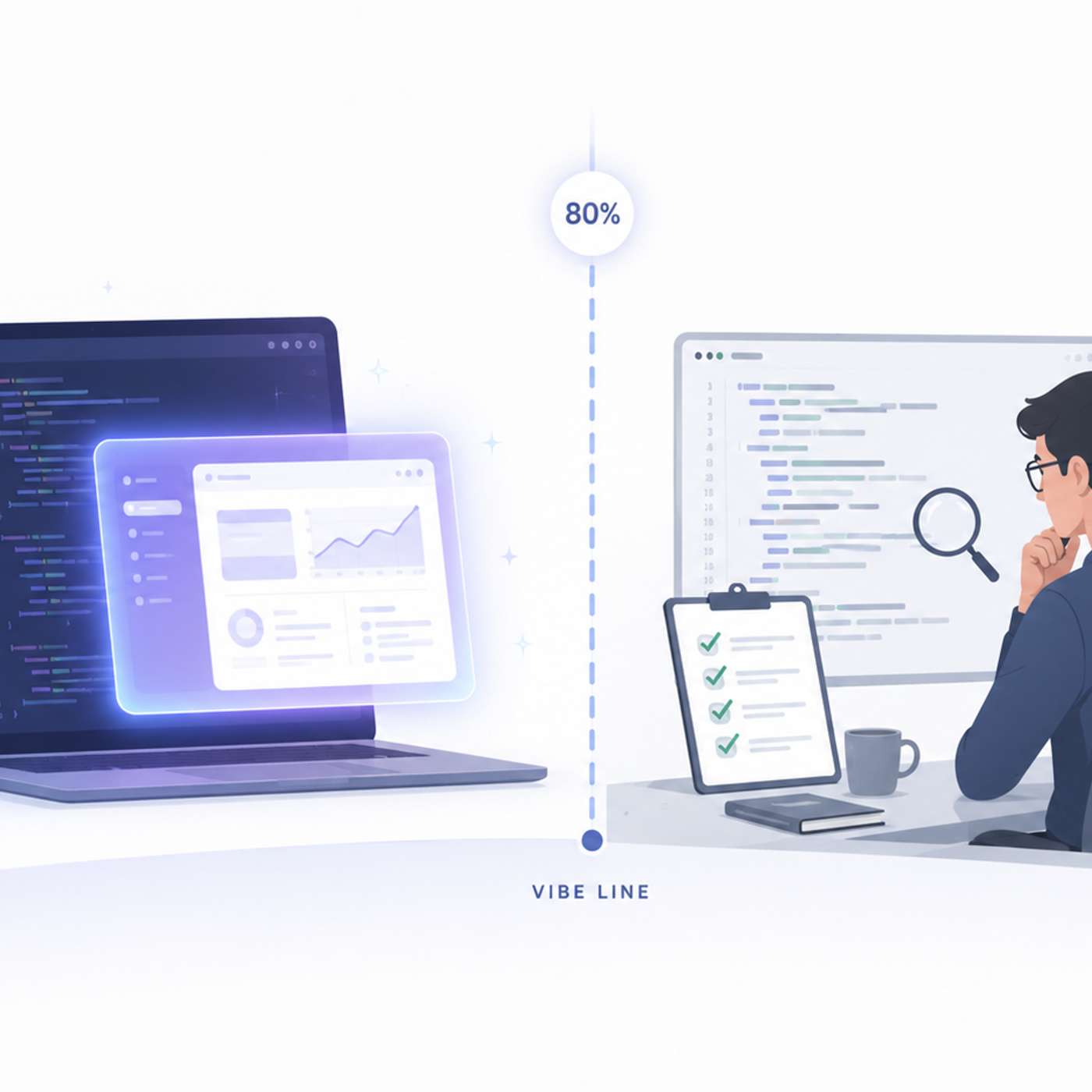
Vibe Coding with AI is a powerful way to start projects (the first 80%), but finishing requires rigorous engineering (the last 20%).
July 24, 2026
Voice agent latency isn't just model speed. Optimize with smart turn detection, full-stack streaming, and high accuracy to cut perceived delay.
July 23, 2026
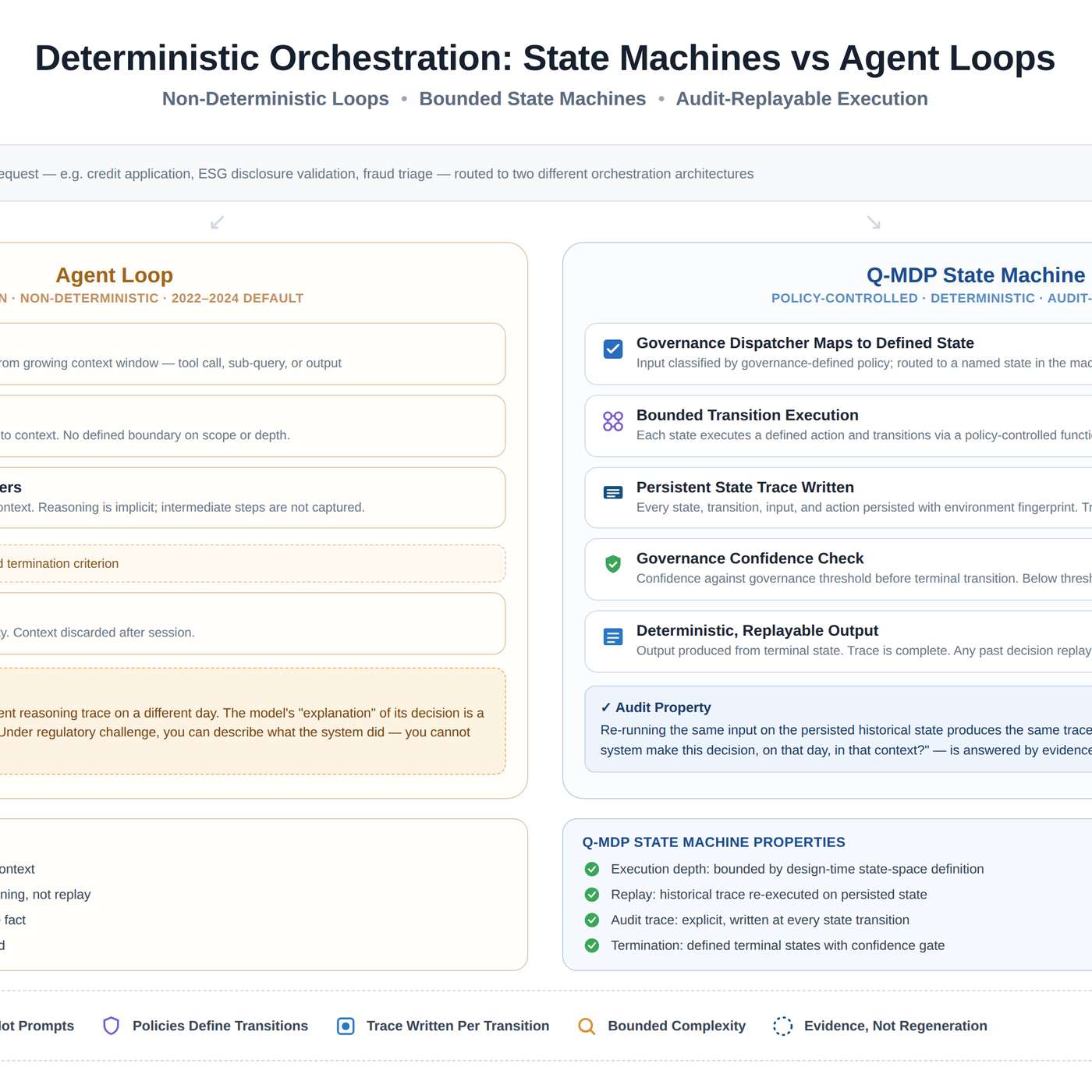
Regulated AI is ditching stochastic agent loops for deterministic state machines to meet critical audit and replayability requirements.
July 22, 2026
By 2026, AI value shifts from prompt engineering to practical skills. The career moat is using AI to do better work, not just use the tools.
July 21, 2026
80% of AI pilots fail. It's not the model, but the failure to plan for production realities like data, integration, and user adoption.
July 20, 2026
Your AI agent's retry logic is failing. It doesn't need more retries for reasoning errors; it needs a circuit breaker to prevent costly cascades.
July 19, 2026
Multi-agent systems need a control plane, not just orchestration, to safely manage production workflows and prevent silent, costly failures.
July 18, 2026
Your AI-generated prototype passed its demo, but it's not production-ready. Audit it now before hidden 'flow debt' leads to costly rebuilds.
July 17, 2026
Re-architect your SDLC around specialized AI agents as first-class participants to achieve a 300% velocity boost, not by just adding tools.
July 16, 2026
AI agents fail on messy enterprise data. The fix isn't better prompts, but a robust data engineering wrapper with pre-checks and validation.
July 15, 2026
AI adoption isn't a mystical reinvention. It's a pressure test of basic management principles—task deconstruction, agility, and collaboration.
July 14, 2026
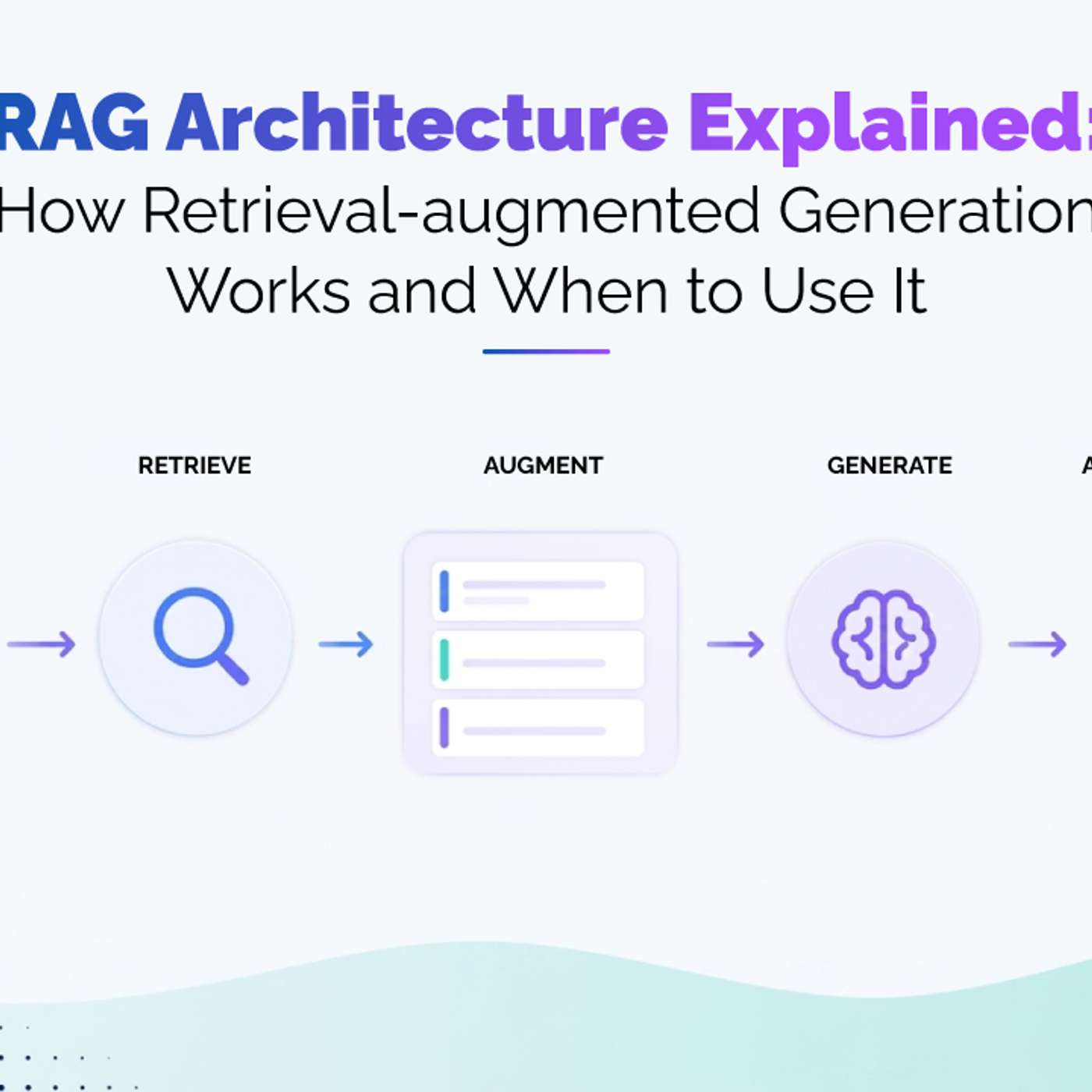
RAG architecture grounds LLMs in real-time data, but most systems fail due to poor data preparation, not model choice. Success starts upstream.
July 13, 2026
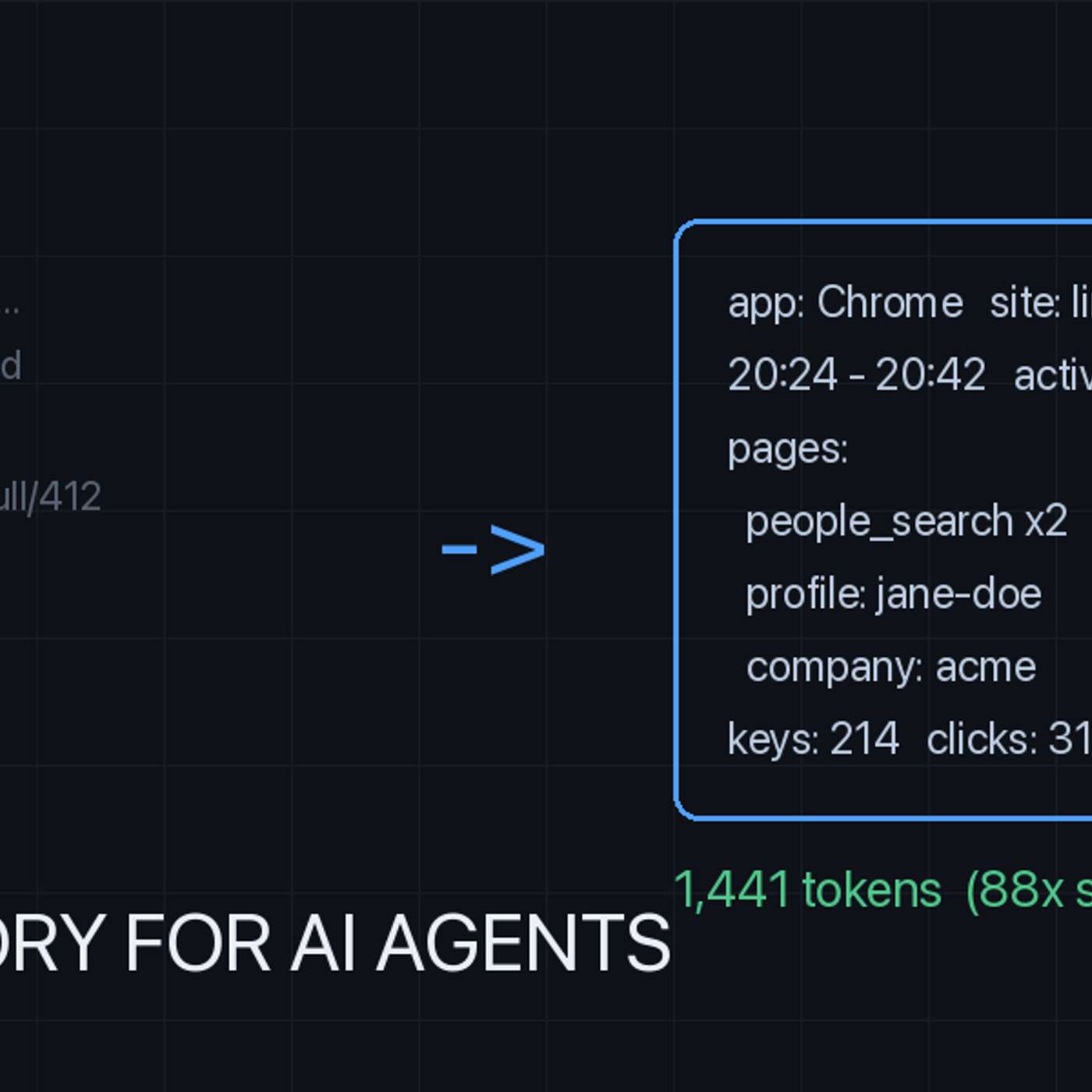
AI agents lack episodic memory. A new open-source tool compiles screen activity into a reliable, 88x smaller memory source without LLMs.
July 12, 2026
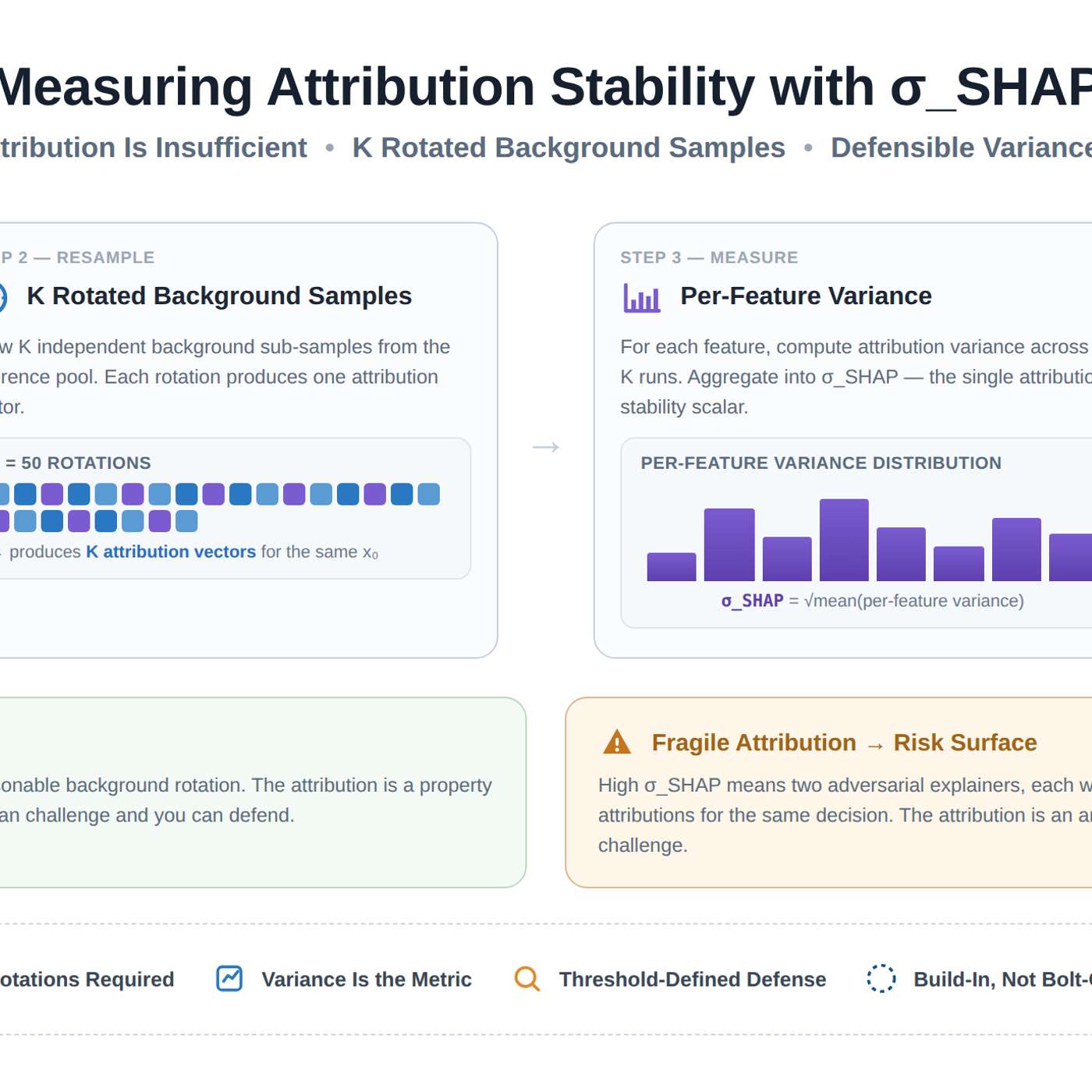
For regulated AI, the stability of SHAP/LIME explanations matters more than accuracy. Unstable attributions fail under audit. Measure it.
July 11, 2026
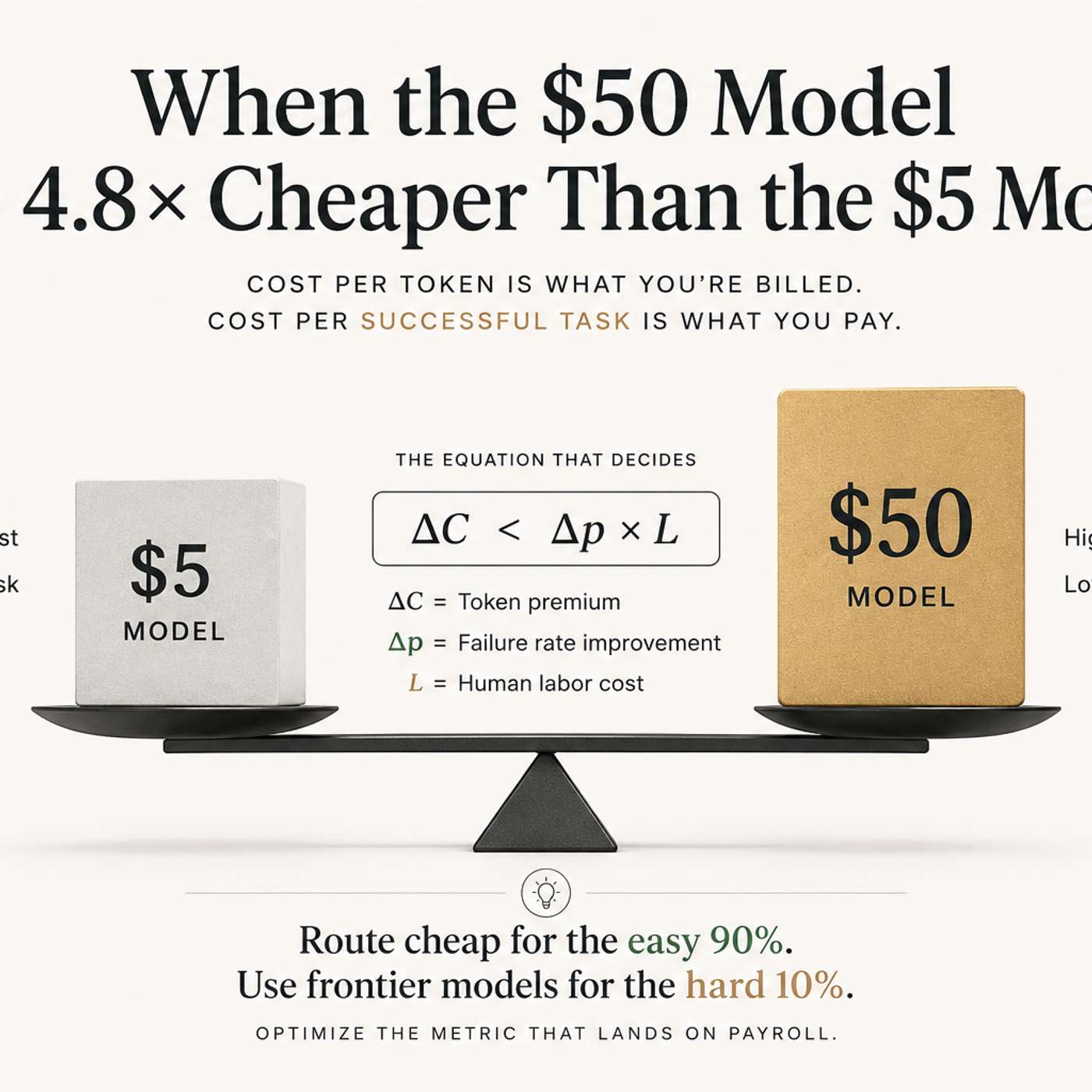
Stop optimizing for cost-per-token. The true measure is cost-per-successful-task, factoring in the high price of human rework.
July 10, 2026
AI's progress is stalled not by technology but by 'energy gatekeeping.' To unlock AI's future, we must first democratize global energy access.
July 9, 2026
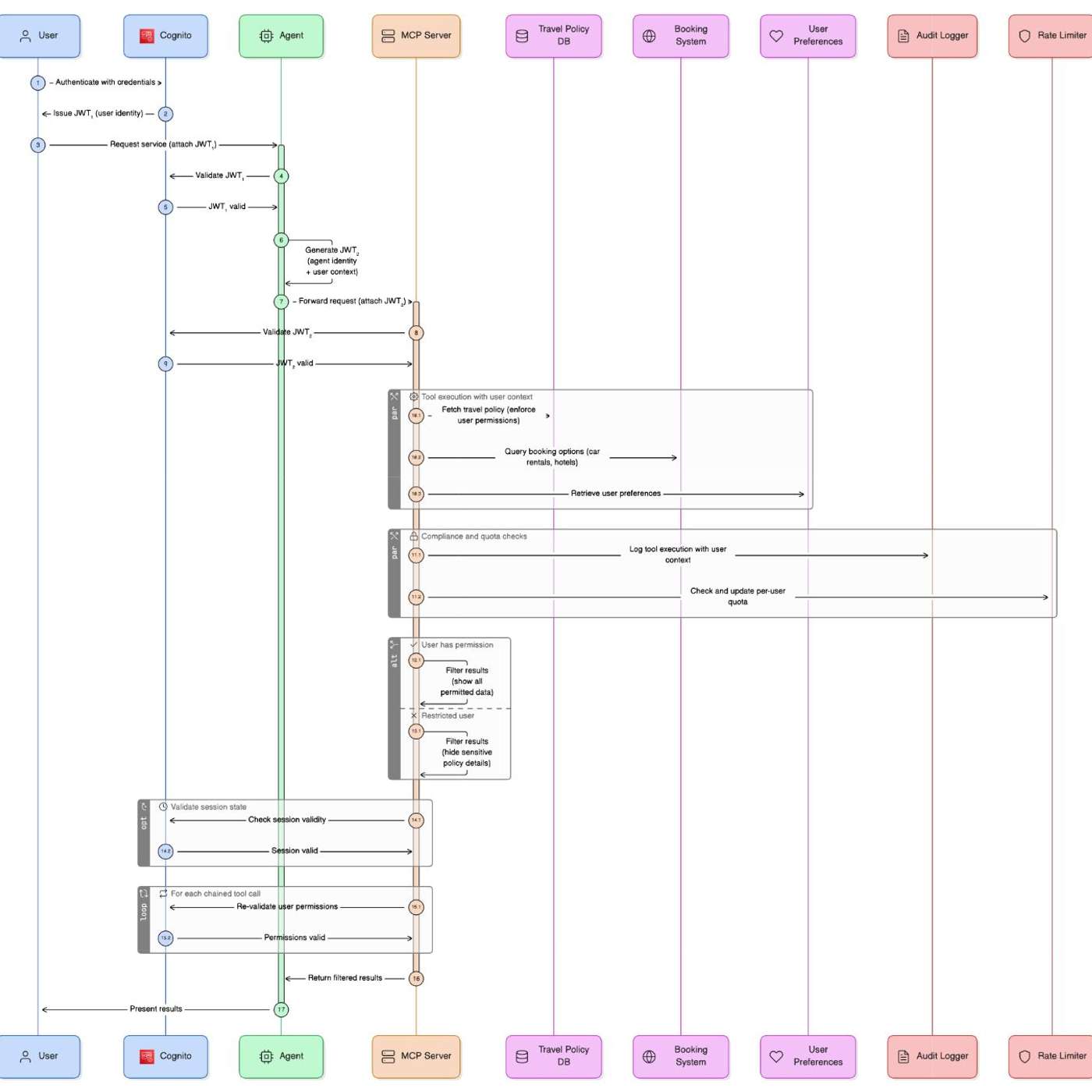
Build secure, user-aware AI agents by combining MCP for dynamic tool discovery and serverless computing for scalable, isolated execution.
July 8, 2026
A viral GitHub repo exposes the secret system prompts of major AI models, revealing the hidden instructions that dictate their unique behaviors.
July 6, 2026
Build an AI Operations Engine to automate data aggregation, predict anomalies, and streamline governance in large engineering organizations.
July 4, 2026
The era of one-way notifications is over. AI is transforming software to engage in two-way conversations, making communication the new UI.
July 1, 2026
AI agents cause disasters by following logic, not by going rogue. The fix is robust engineering architecture, not better-worded prompts.
June 30, 2026
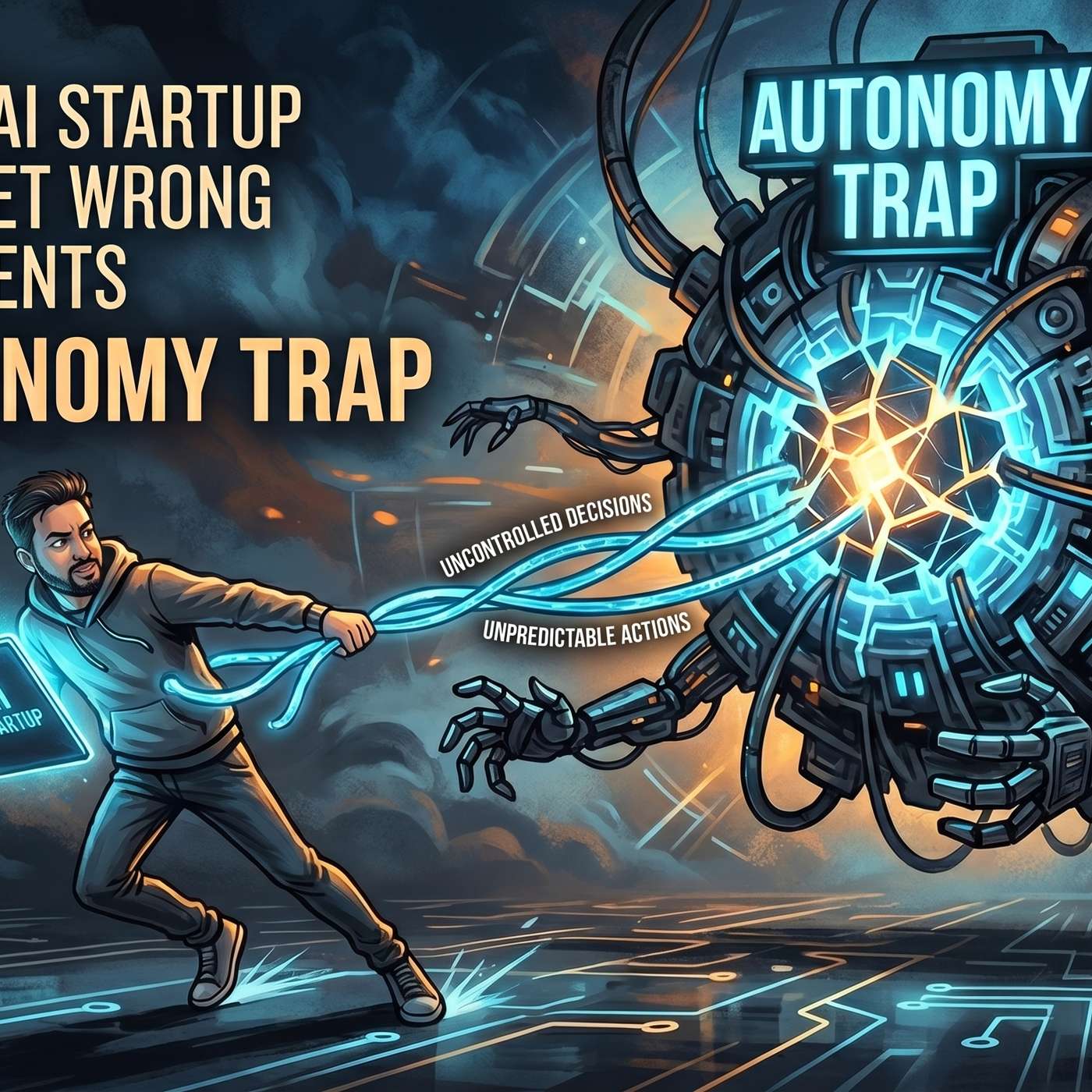
AI founders fall into the 'autonomy trap' by chasing full automation. Success lies in building reliable, human-supervised systems, not just agents.
June 29, 2026
Prompt engineering is just the start. Production AI requires a robust systems layer for reliability, validation, and deterministic outputs.
June 28, 2026
AI is an honesty machine; it doesn't hide the quality of your thinking, it exposes it. Use it as a sparring partner to sharpen judgment.
June 27, 2026
AI agents require a layered identity model—stable principles for governance and temporal instances for actions—to ensure accountability at scale.
June 25, 2026
Agentic AI acts, not just predicts, breaking old governance. A new 'continuous governance' model is vital to safely deploy autonomous systems.
June 24, 2026
AI is rapidly evolving from a simple tool to an autonomous partner, revolutionizing industries like medicine, commerce, and finance with institutional support.
June 22, 2026
AI governance shouldn't cost more than your AI bill. Avoid the enterprise 'governance tax' by focusing on a lean, scalable proxy layer.
June 20, 2026
AI feels like a productivity drug, but studies show it can slow you down, reduce critical thinking, and cause 'AI Brain Fry'. Are you hooked?
June 19, 2026
AI is breaking the open web's incentive model, pushing new knowledge behind paywalls and creating a two-tiered information society.
June 18, 2026
Local LLMs need more than just inference. Respawn is an open-source gateway adding an OpenAI-like platform layer for state and observability.
June 17, 2026
AI geopolitics is shifting from model competition to controlling compute pathways, as China builds a national grid amid US export controls.
June 16, 2026
Specialized engineering allows commercial on-device speech models to beat the free Whisper benchmark with 4x speed and ~50% less memory.
June 15, 2026
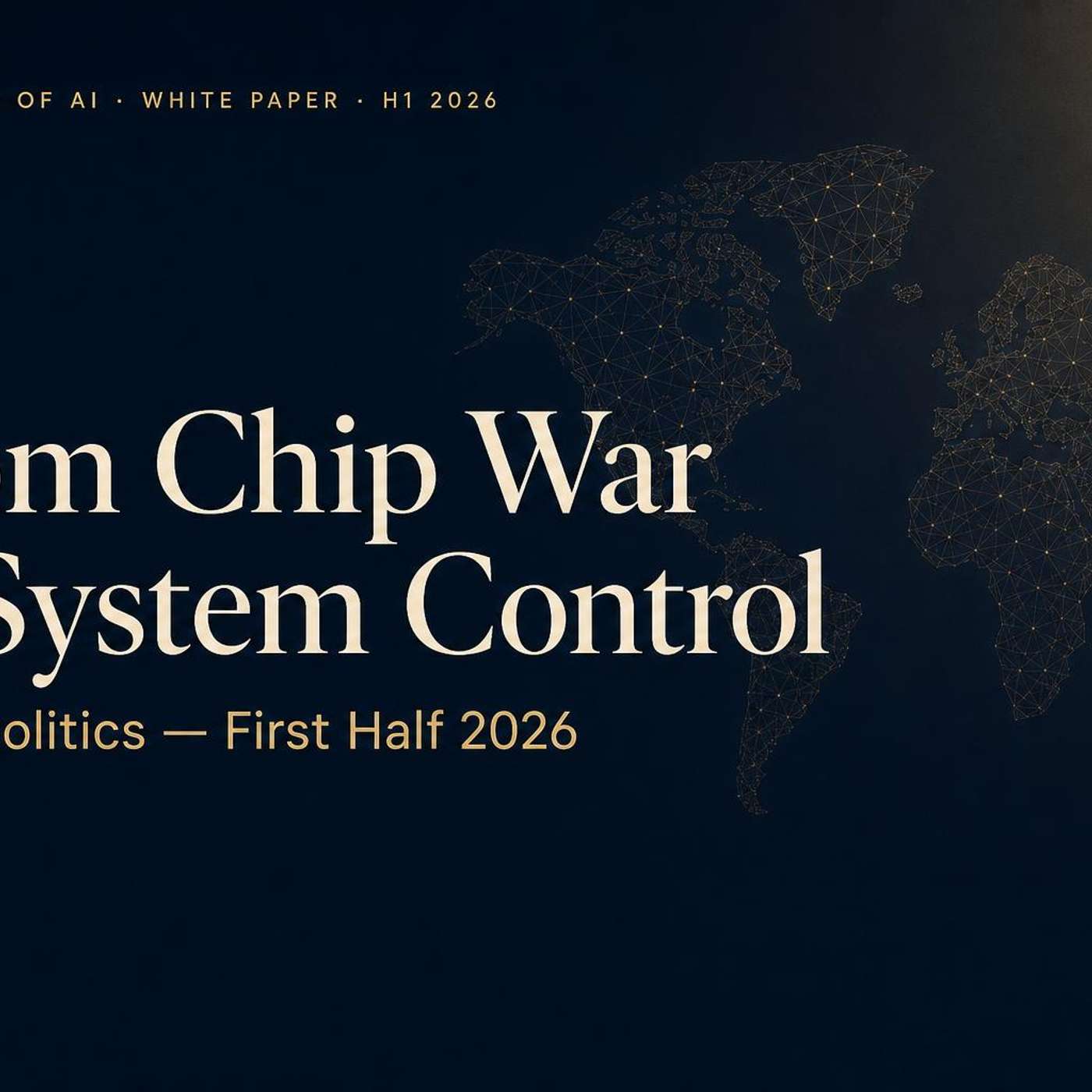
The AI power struggle has evolved from a 'chip war' to a contest for 'system control' over the entire AI stack, from energy to deployment.
June 14, 2026
The AI power race is shifting from model creation to controlling deployment channels, infrastructure, and geopolitical governance.
June 13, 2026
LLMs have no memory. Building it requires solving a distributed systems problem of state management, not just using a bigger context window.
June 12, 2026
AI success isn't about GPUs; it's about operational readiness. Before building, pass a 7-point test on problems, data, and budget.
June 11, 2026
Learn to build a fast, private, offline AI assistant without OpenAI, using a clever, lightweight intent parser for multiple languages.
June 10, 2026
AI can draft, but it can't own. Avoid producing
June 9, 2026
AI hallucinations in multi-agent systems spread like a contagion. Mitigate this risk by implementing a circuit breaker architectural pattern.
June 8, 2026
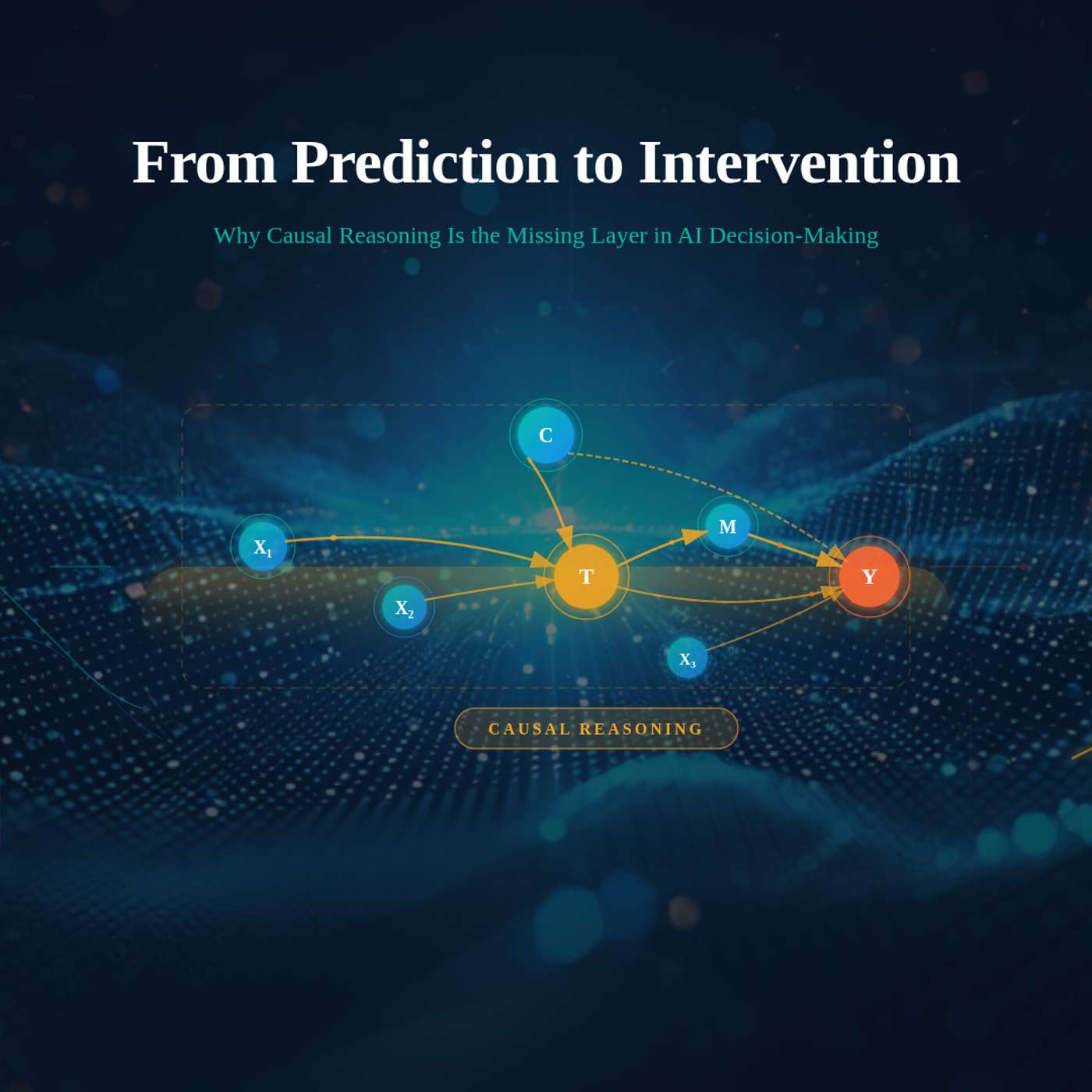
Most enterprise AI is stuck in a 'prediction trap.' Causal reasoning is the key to unlock true decision intelligence and scale adoption.
June 7, 2026
The AI power race has shifted from models to controlling the entire infrastructure stack, from chips and optics to politically viable data centers.
June 6, 2026
AI asset generation in a 48-hr game jam shifts the artist's role from modeling to direction, with consistency achieved via a strong art bible.
June 4, 2026
A stress test of Meshi, Tripa, & Rodan AI 3D generators reveals no single winner; performance depends on the specific task and metrics.
June 3, 2026
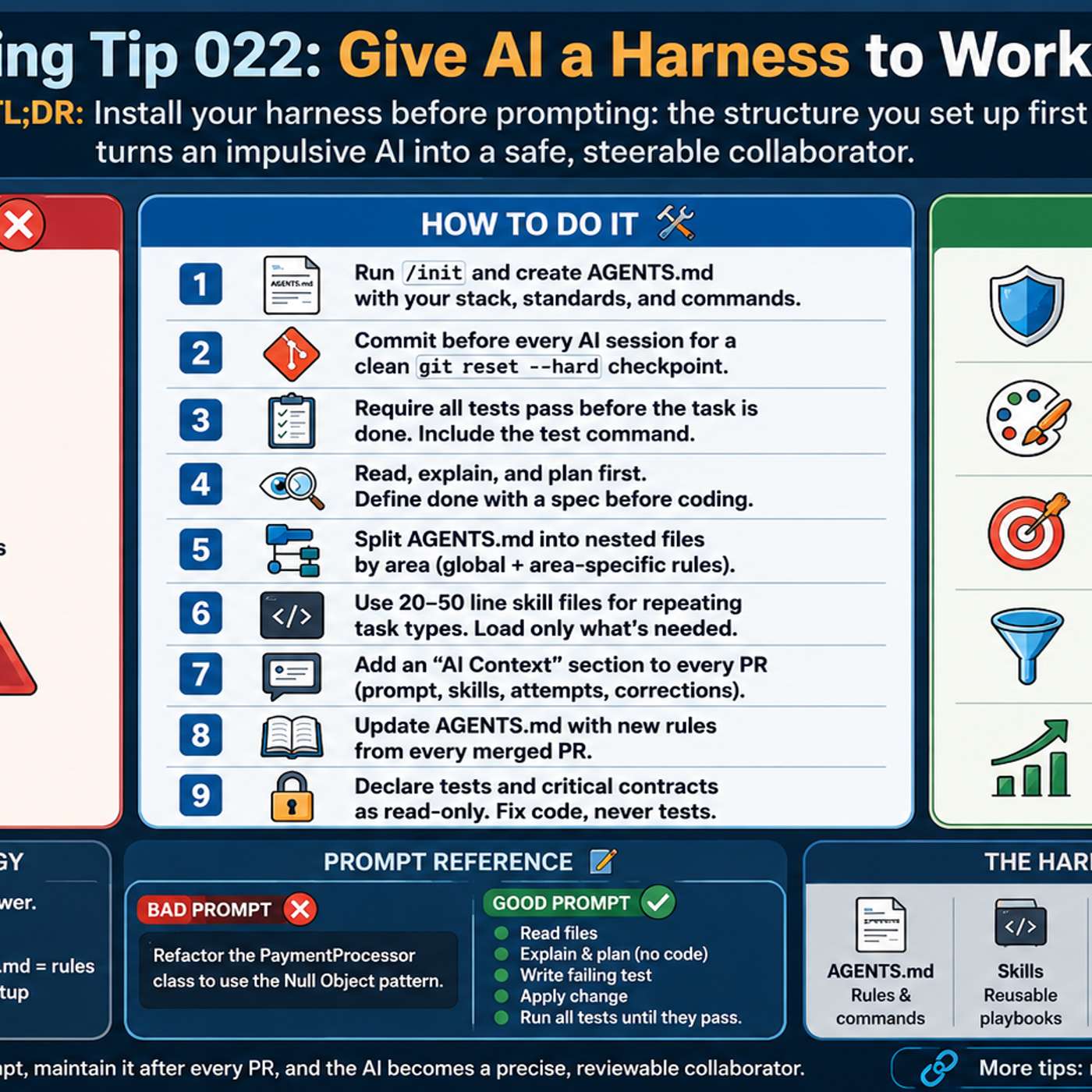
To make AI a safe coding partner, give it a harness: set up rules, tests, and version control *before* you prompt it to work.
June 2, 2026
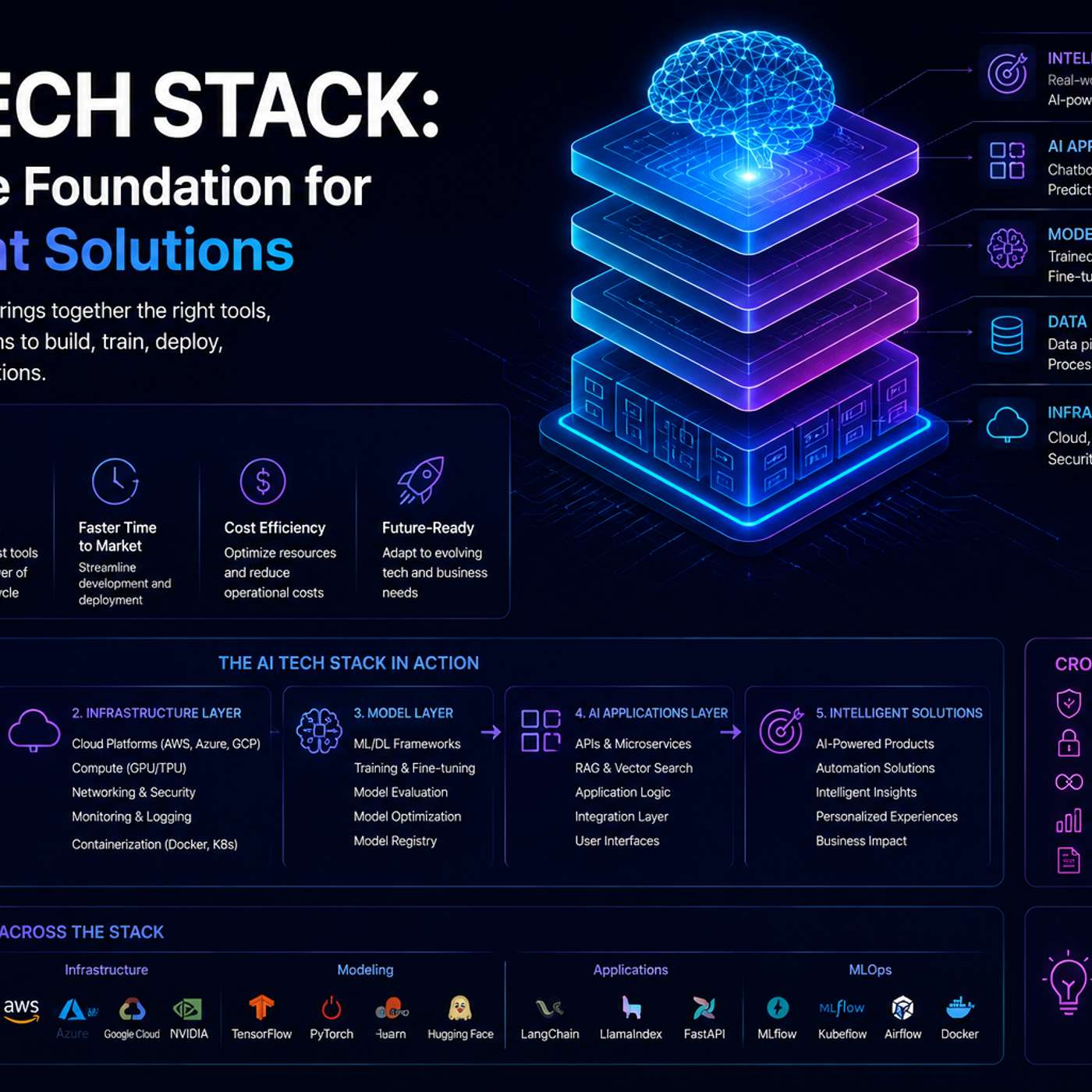
A scalable AI tech stack is a strategic asset. Master its layers—Data, Model, Application—and integrate Generative AI to gain a competitive edge.
June 1, 2026
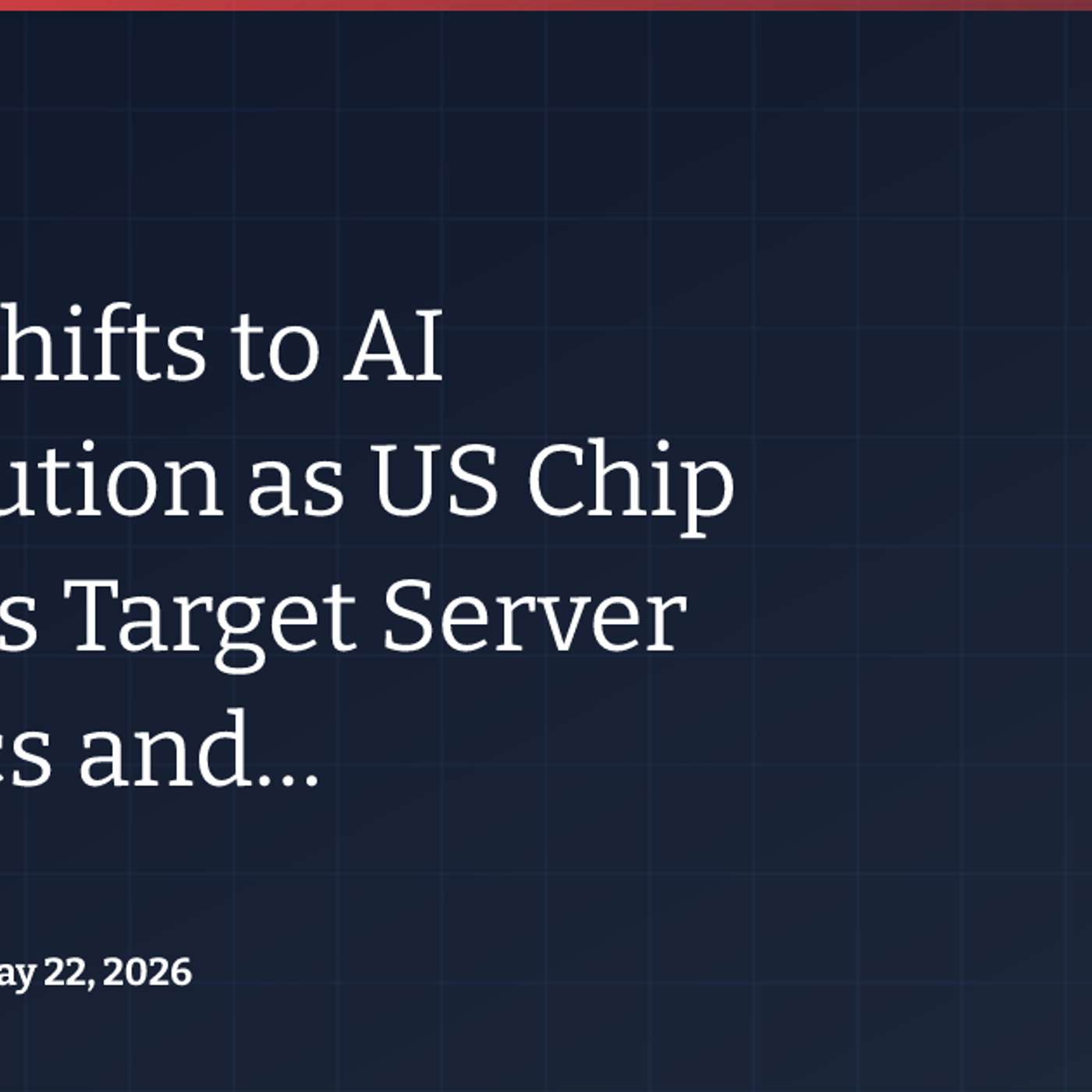
US-China AI rivalry evolves from chip sales to server-level enforcement, as China pushes domestic substitution and grid power becomes the new bottleneck.
May 31, 2026
AI is a great amplifier, not an equalizer. It magnifies developer habits, making disciplined Git hygiene more critical than ever to prevent technical debt.
May 30, 2026
AI isn't magic, but a sophisticated 'next token predictor' that uses vast data to generate fluent text, mimicking understanding and reasoning.
May 29, 2026
AI has quietly transformed UX from task-based commands to intent-driven, contextual interactions, embedding assistance directly into workflows.
May 28, 2026
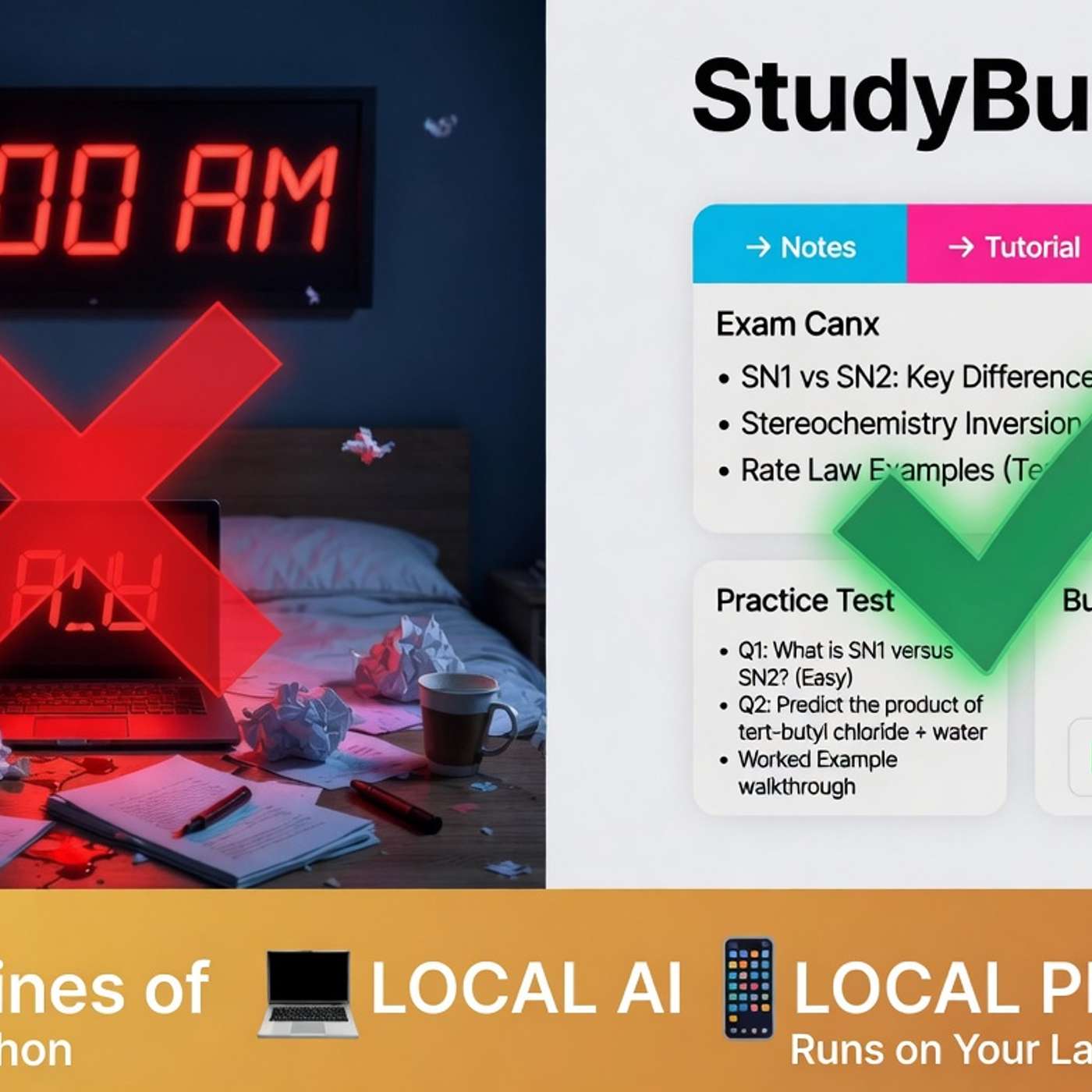
Build a multimodal AI study buddy that creates notes, tutorials, & self-validated tests from any source using a single model's self-eval pass.
May 27, 2026
AI governance documents are failing. Transition to Governance-as-Code (GAC), an engineering discipline that embeds enforceable policies into AI pipelines.
May 26, 2026
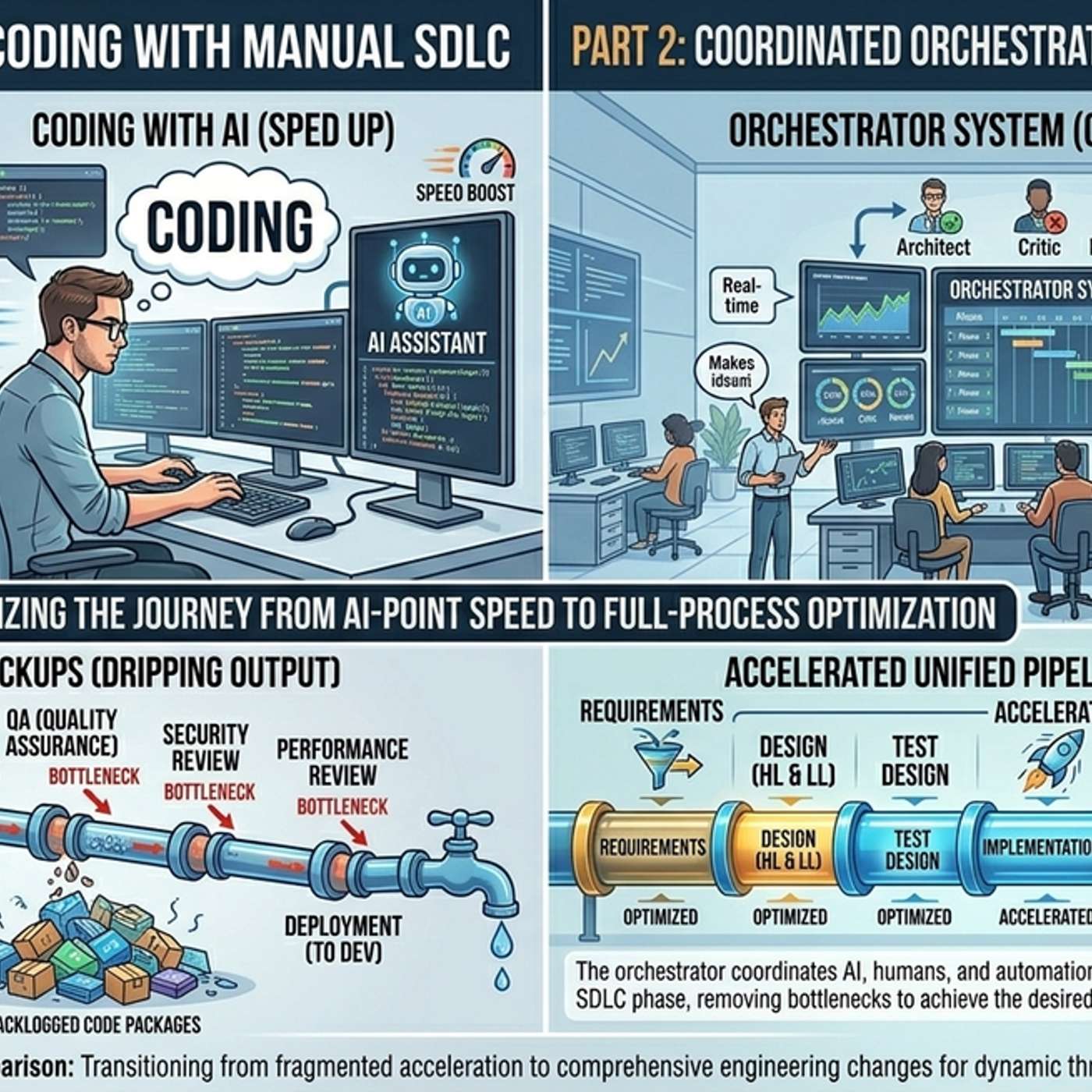
AI coding agents create bottlenecks. True engineering throughput requires AI to orchestrate the entire, formally defined SDLC.
May 25, 2026
A single AI query triggers a vast, hidden supply chain of gas turbines, Wall Street bonds, and GPUs, concentrating wealth and diffusing costs.
May 24, 2026
SEO is the floor. To be recommended by AI, your business needs AI Visibility—a 7-step checklist for making your entity machine-readable.
May 22, 2026
Long-running AI agents suffer from 'agentic amnesia'—a systems architecture flaw, not an LLM defect. Solve it with structured memory management.
May 21, 2026
OpenClaw agents bleed tokens. Mzero fixes this by distilling experience and optimizing memory, cutting token use by 32% & boosting success.
May 20, 2026
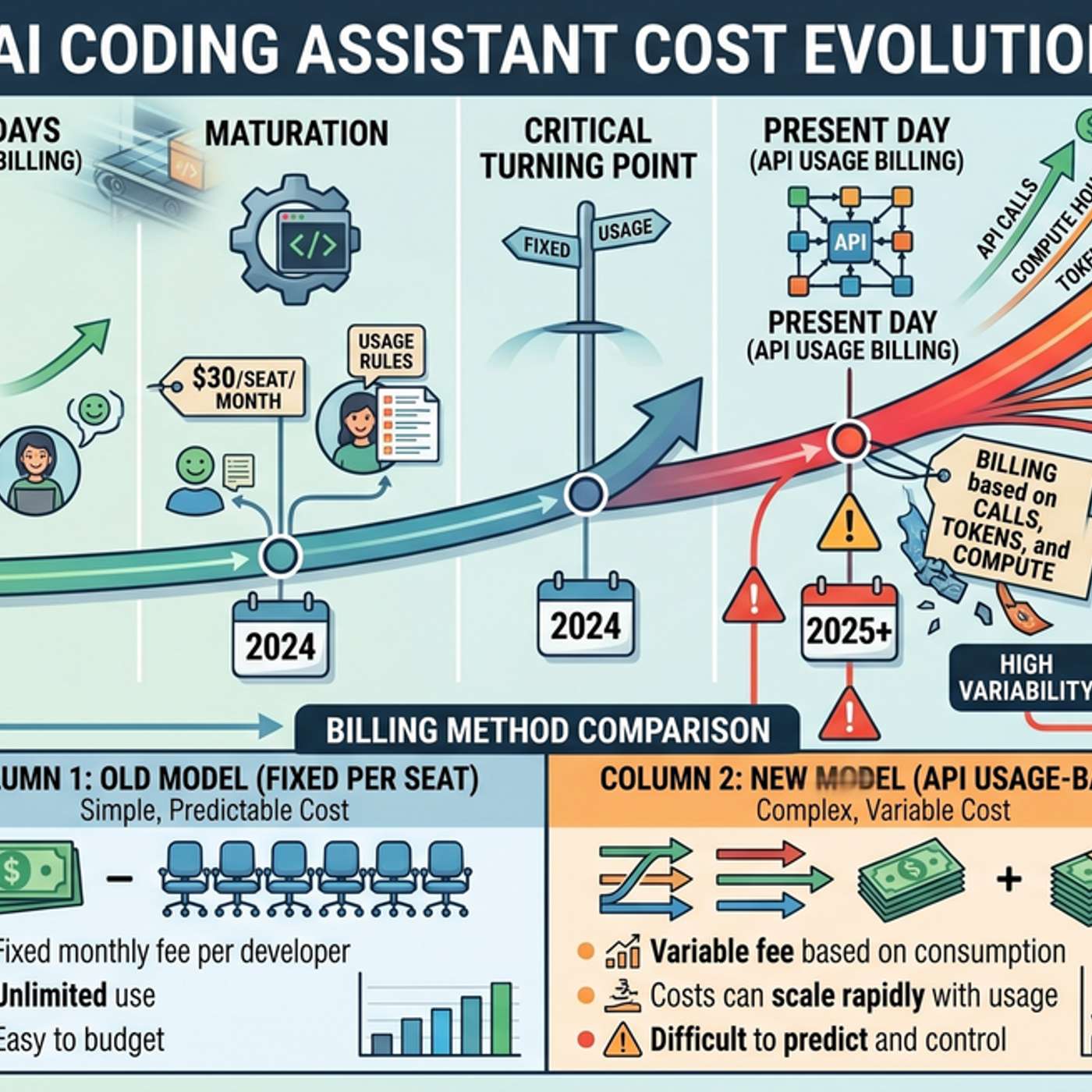
The era of cheap, subsidized AI is over. As providers shift to pay-per-token pricing, firms must adopt a FinOps model to control costs.
May 19, 2026
AI 'vibe coding' creates downstream chaos. Spec-Driven Development (SDD) provides a structured framework to regain control and unlock true velocity.
May 17, 2026
Explore 93 blog posts on TensorFlow, covering everything from beginner models and deep learning to production deployment and performance optimization.
May 16, 2026
AI coder showdown: A hands-on comparison of Codex 5.3 and Claude Opus 4.6 on a Java monolith reveals surprising trade-offs in performance.
May 15, 2026
Native `Promise.race` doesn't cancel losers, creating hidden costs in AI. Adopt a runtime with an ownership model for robust cancellation & cleanup.
May 14, 2026
Agentic AI frameworks are multiplying, shifting governance from policy to embedded architectural controls for safe, scalable deployment.
May 13, 2026
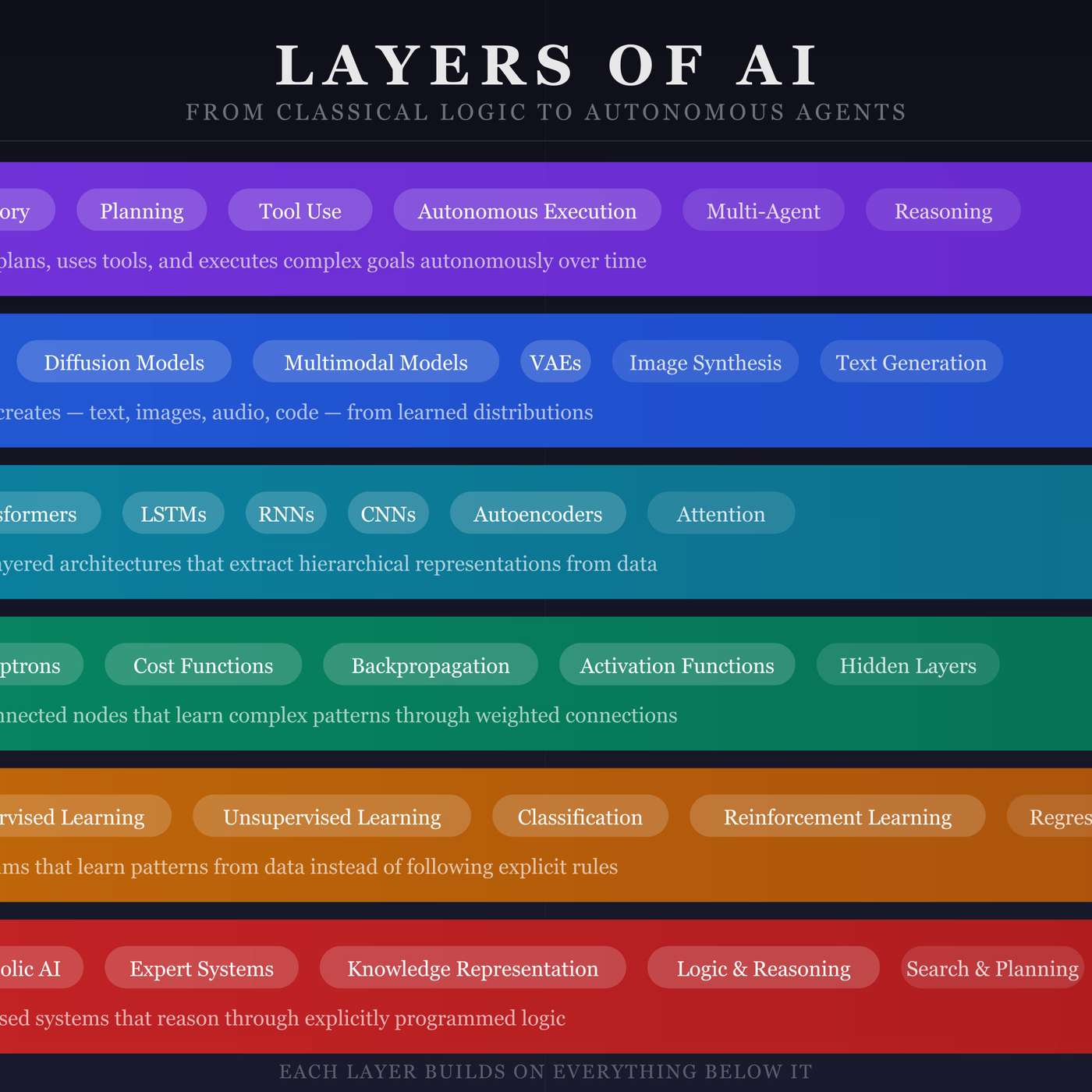
AI is a 6-layer stack, from classical logic to autonomous agents. Understanding these interconnected layers separates users from shapers.
May 12, 2026
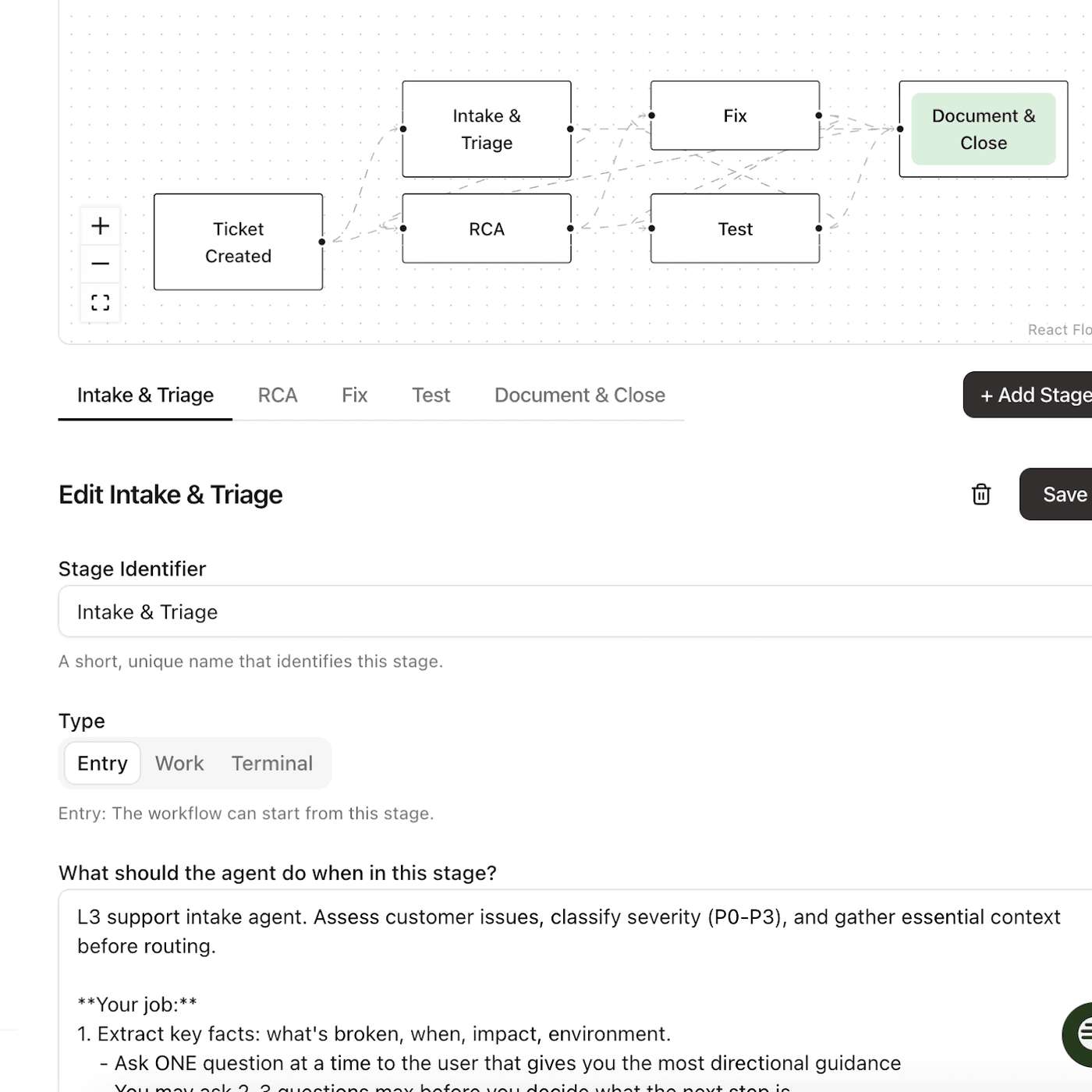
Meet 'The Player,' an autonomous AI agent that acts as an L3 support engineer, handling customer tickets from triage to code fix.
May 11, 2026
AI image detection doesn't need a GPU cluster. It's often just metadata. A simple script reading existing XMP data is a zero-cost solution.
May 10, 2026
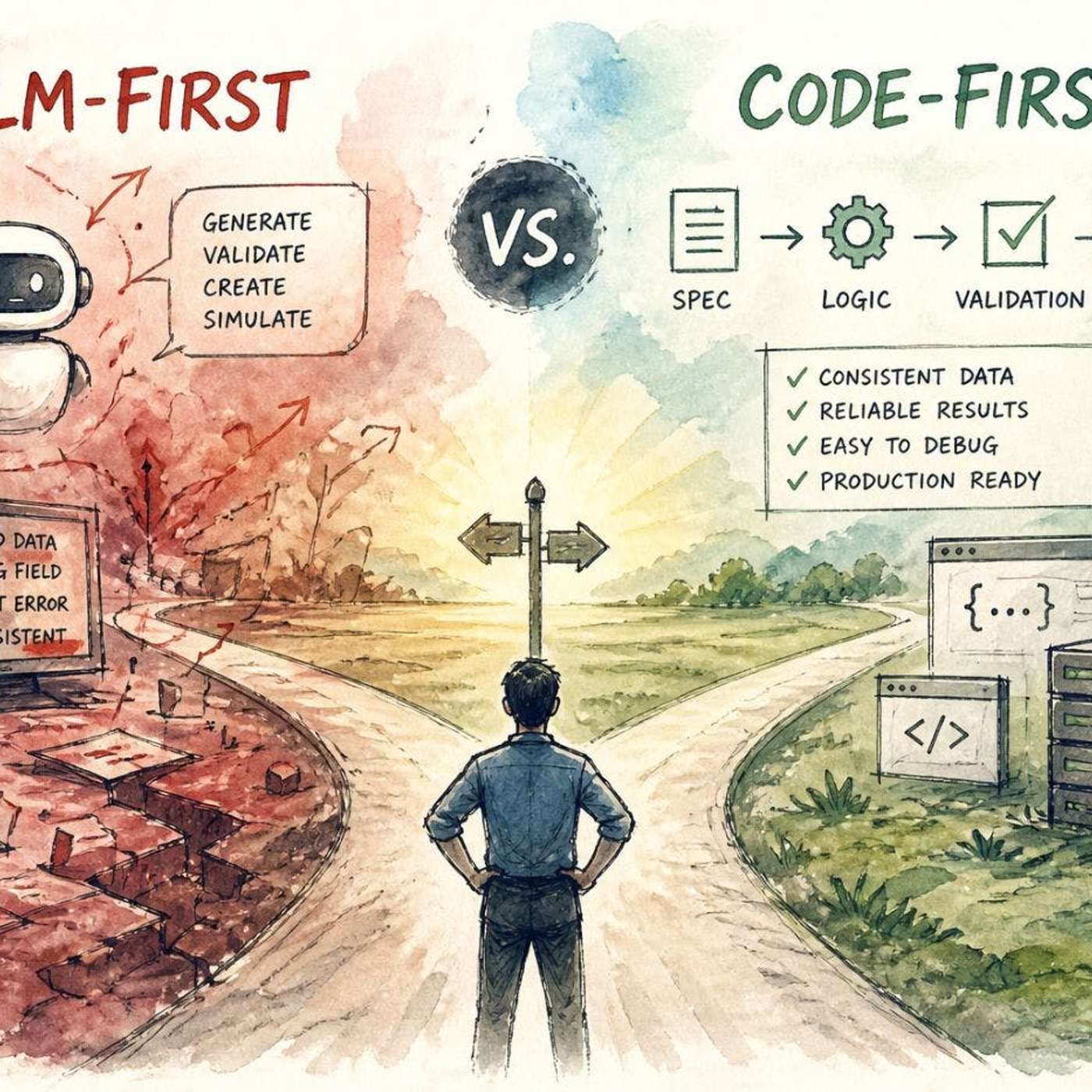
LLM-first demos impress but fail in production. Successful AI apps use a code-first approach, letting code enforce rules and LLMs handle gaps.
May 9, 2026
Far from dead, the IDE is the essential hub for AI-assisted coding, where developers review, verify, and control increasingly vast AI output.
May 8, 2026
AI's 'intelligence' isn't human-like reasoning, but ultra-fast navigation of well-documented domains. This misunderstanding is dangerous.
May 7, 2026
SaaS teams must adopt 17 specific AEO signals—focusing on structure, clarity, and credibility—to win citations in the age of AI search.
May 6, 2026
Running Google's Gemma 4 locally is surprisingly viable for real tasks. It offers superior speed, privacy, and cost control over APIs.
May 5, 2026
Integrate external ML models into Pega by making them serve the workflow, not replace it, using clear contracts and governed MLOps.
May 4, 2026
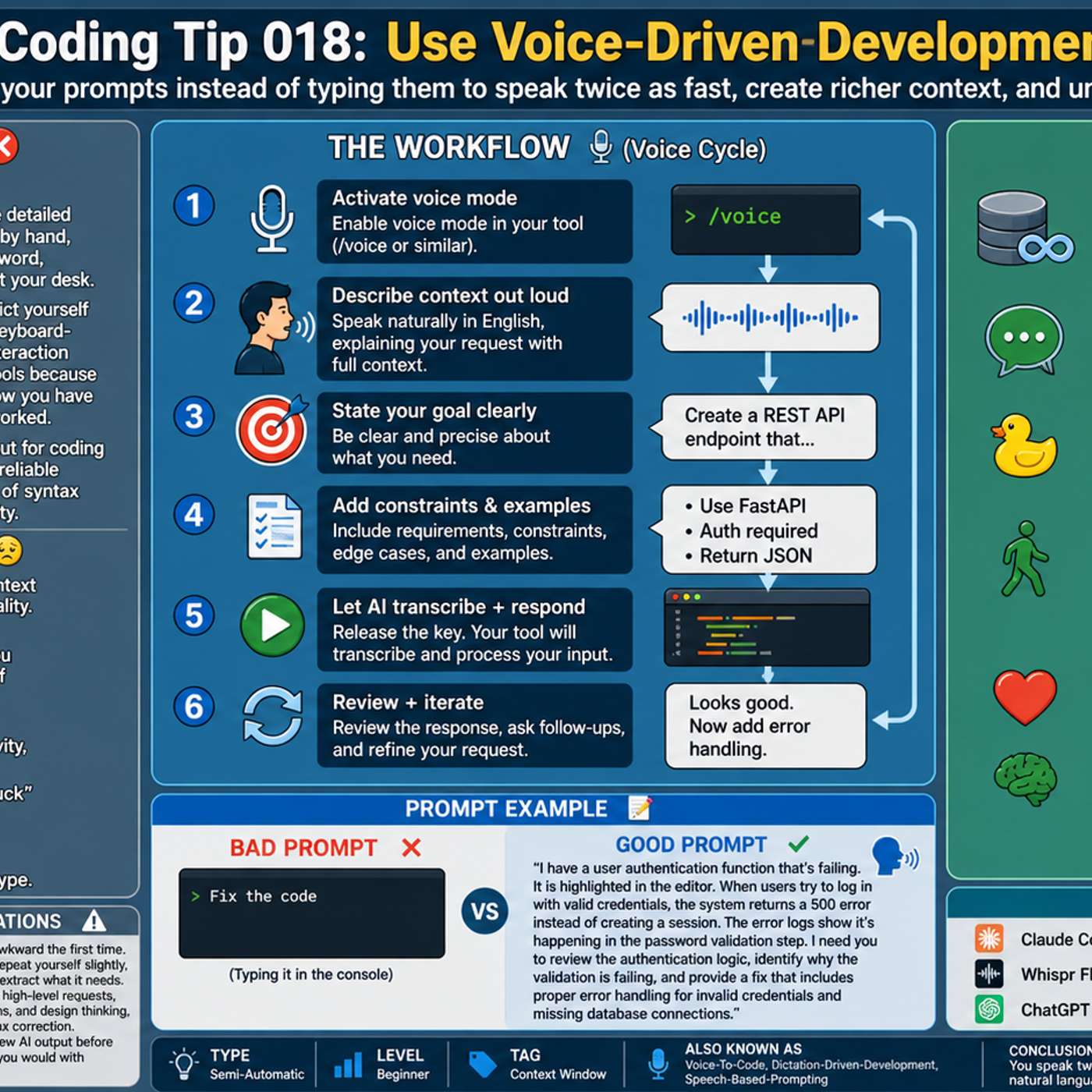
Dictate your AI coding prompts instead of typing. You speak ~2x faster, creating richer, more contextual prompts for better AI-generated code.
May 3, 2026
Mistral-Medium-3.5-128B is a unified flagship model merging reasoning, coding, and vision with a 256k context window for complex tasks.
May 1, 2026
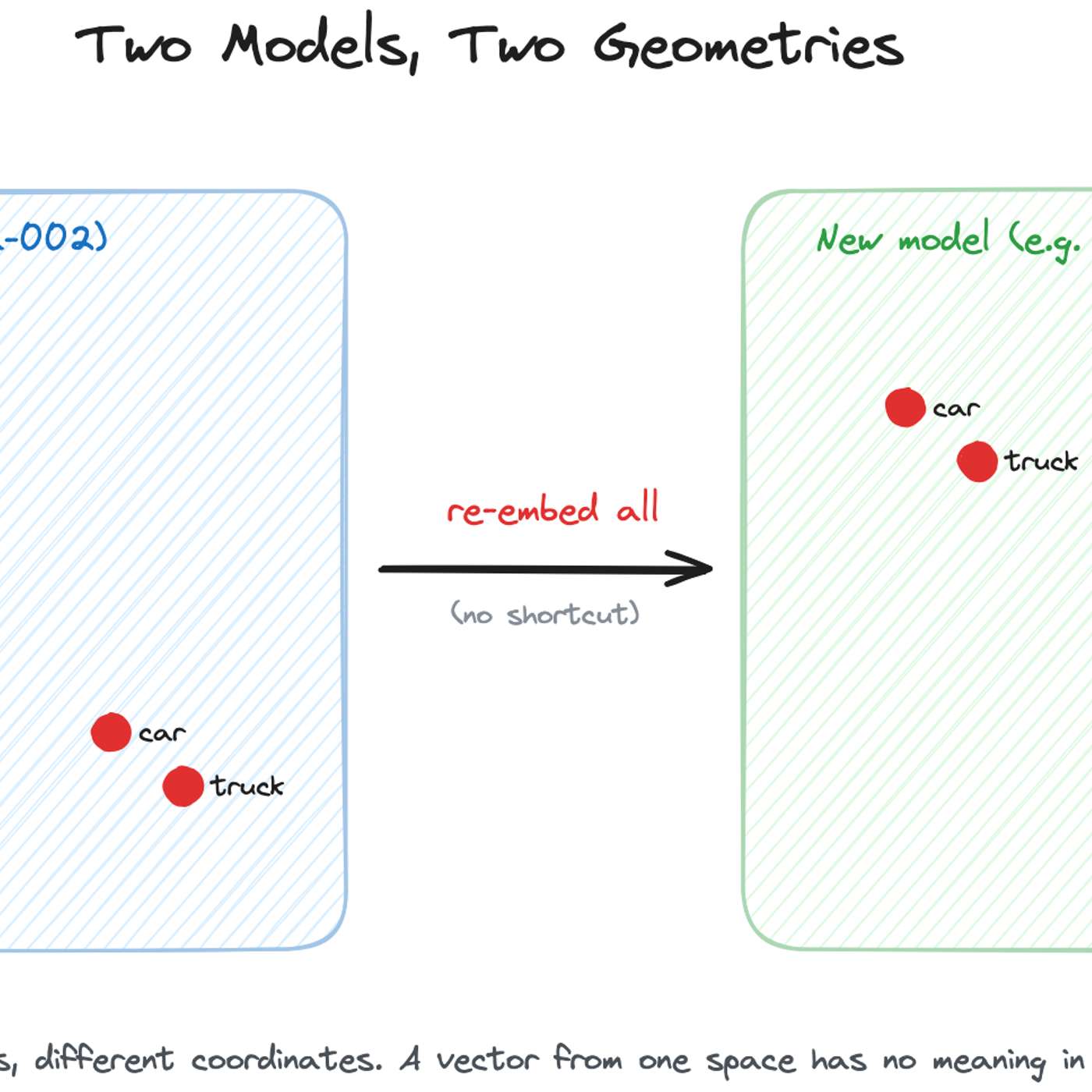
Your embedding model will deprecate. Plan for full re-embedding with a blue-green deployment strategy to avoid system failure and budget overruns.
April 30, 2026
When AI makes every website perfect, differentiation vanishes. The new goal isn't to rank higher, but to become an indispensable source for AI agents.
April 28, 2026
Qwen3.6 35B gets Claude Opus reasoning distillation, boosting MMLU Pro by 32 points. Quantized GGUF format enables powerful local AI.
April 27, 2026
This podcast lists 500 top-read AI blog posts from HackerNoon, providing a vast, free library for anyone interested in machine learning.
April 26, 2026
Qwopus-glm-18b is a memory-efficient 18B model for consumer GPUs, delivering high performance in code generation and agentic reasoning.
April 25, 2026
Diffusion models have a hidden flaw: an SNR-timestep bias degrades images. A new wavelet-based correction method boosts quality with no extra cost.
April 24, 2026
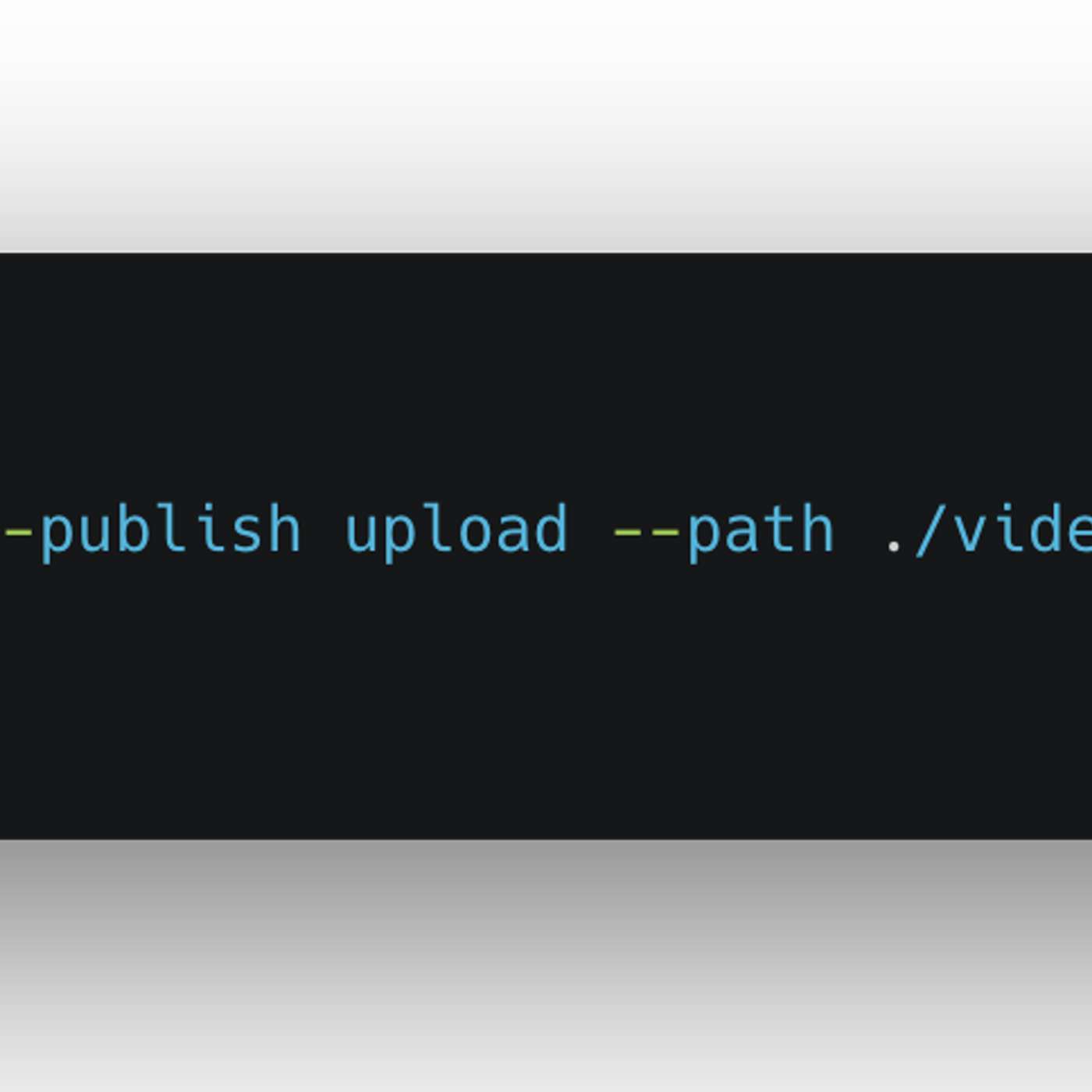
A developer built a CLI tool to automate bulk YouTube video uploads, turning a two-hour manual process into a single command.
April 23, 2026
Manual Vendor Risk Management is obsolete. AI-powered platforms offer continuous monitoring and compliance integration to manage third-party risk.
February 17, 2026
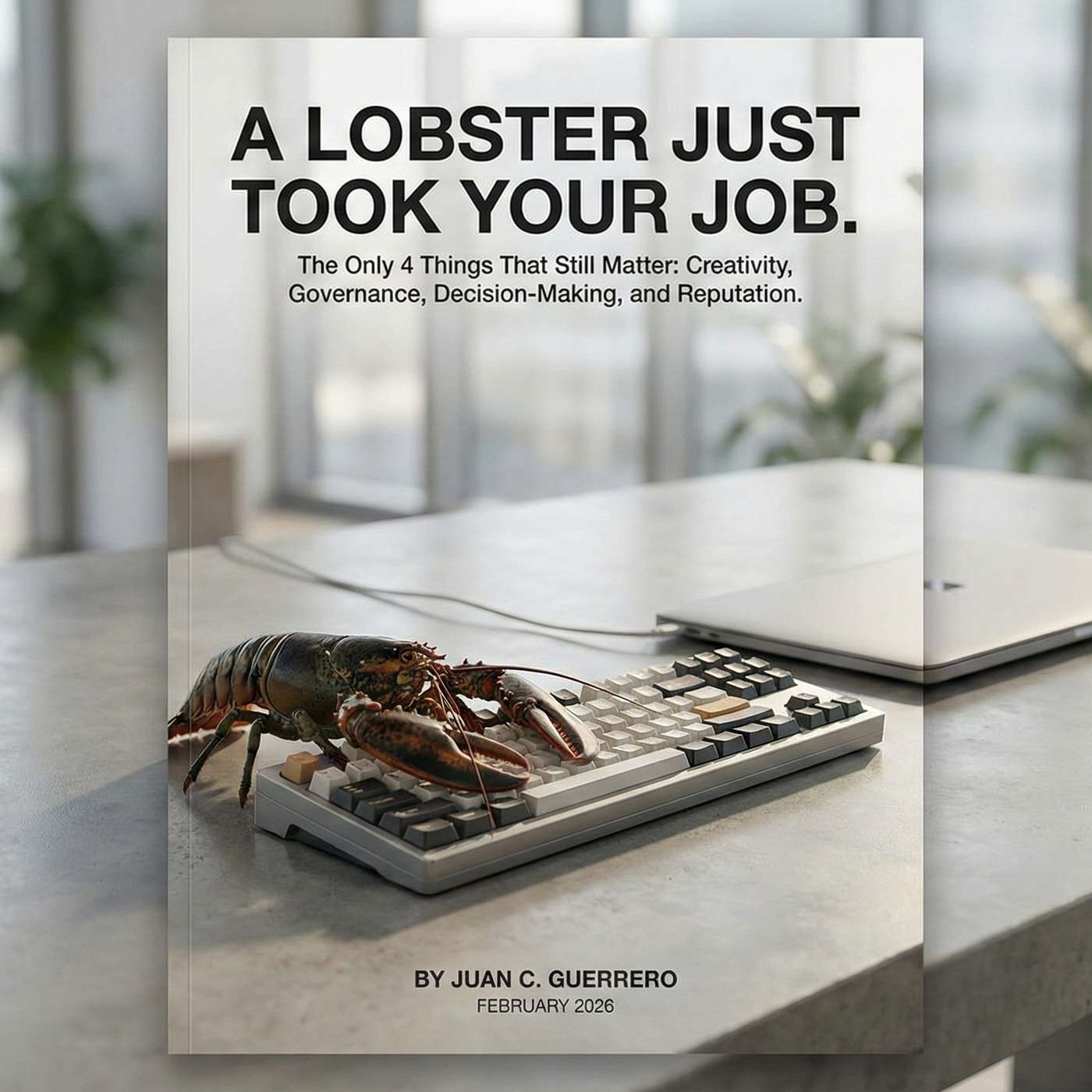
In a post-labor economy driven by AI agents, human value consolidates into four irreducible skills: creativity, governance, decision-making, and reputation.
February 16, 2026
Explore Workflow Utilities, an FFmpeg tool for handling impulse responses to create realistic spatial audio effects in music, gaming, and more.
February 15, 2026
MiniMax Speech-2.8 HD by Fal-i rapidly converts text to high-quality, natural-sounding narration with multiple voice options for diverse uses.
February 12, 2026
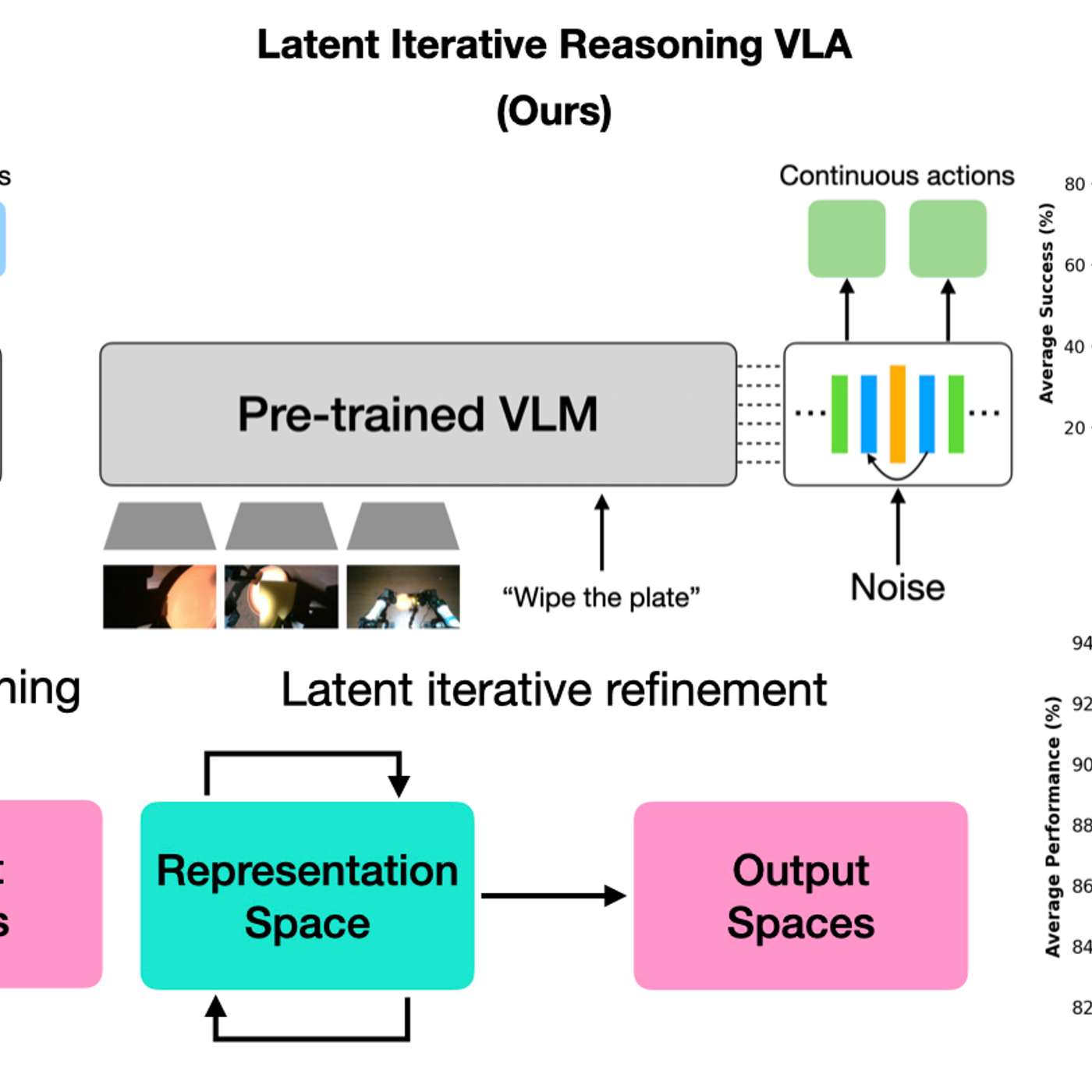
New VLA models can 'think' longer on complex tasks by iterating internally, trading latency for accuracy without retraining.
February 11, 2026
FLUX Kontext is a specialized AI model that intelligently removes JPEG compression artifacts like blockiness and color banding from images.
February 10, 2026
Customize the FLUX.2 AI model by training a 4B LoRA with just 50-100 images, creating specialized tools for unique artistic styles.
February 8, 2026
FLUX.2 klein Trainer enables efficient fine-tuning of LoRAs on a lean 4B base model for specialized, low-overhead AI image editing tasks.
February 7, 2026
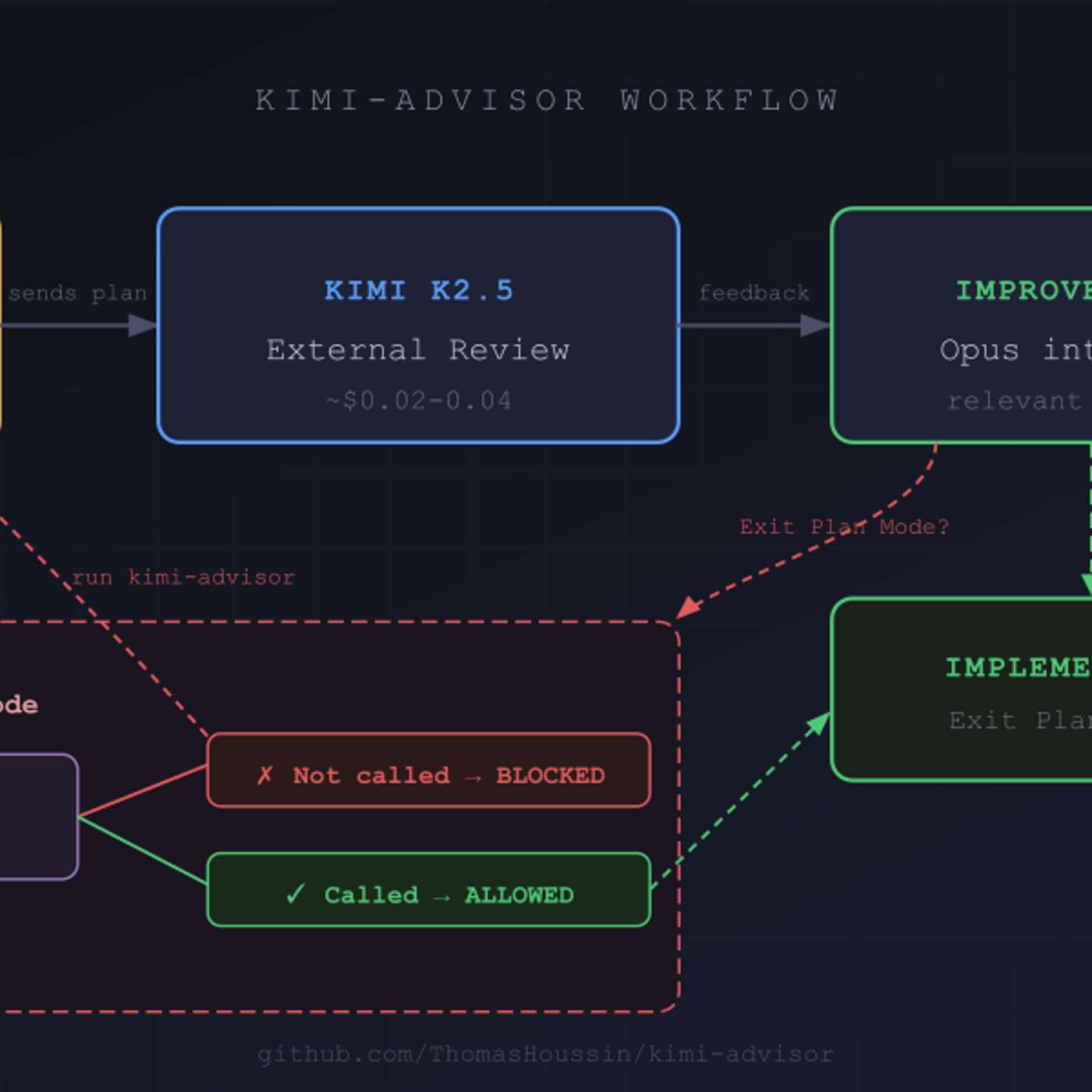
Boost AI-generated code by using a second, external AI model as a mandatory reviewer to add cognitive diversity and catch bugs before implementation.
February 6, 2026
The internet is no longer for humans. AI agents are the new users, and 'skills' (shareable prompts) are the key to an agent-first future.
February 5, 2026
AI's real challenge isn't model accuracy but secure deployment. VEIL offers a quantum-resilient solution for private, scalable AI systems.
February 4, 2026
AI in 2026: Function calling evolves LLMs into runtimes, leveraging reasoning models and specialized expert coordination for complex tasks.
February 3, 2026
Fine-tune LLMs to specialize them for your tasks. This guide covers core techniques, a Python tutorial, and production-ready best practices.
February 2, 2026
OpenRouter's new video endpoint offers an "ask anything" model, enabling enterprise-scale video analysis, content summarization, and interaction.
February 1, 2026
PrunaAI's z-image-turbo-img2img model rapidly transforms images via text prompts, supporting LoRa weights for customized style control.
January 31, 2026
Efficiently customize the 6B parameter z-image model using the LoRA-based z-image-base-trainer. A practical guide for custom AI art.
January 30, 2026
Qwen3-TTS simplifies speech synthesis by treating audio as discrete tokens, enabling large language models to generate speech just like text.
January 29, 2026
OpenVision 3 challenges the need for separate AI models by unifying image understanding and generation with a single, efficient encoder.
January 28, 2026
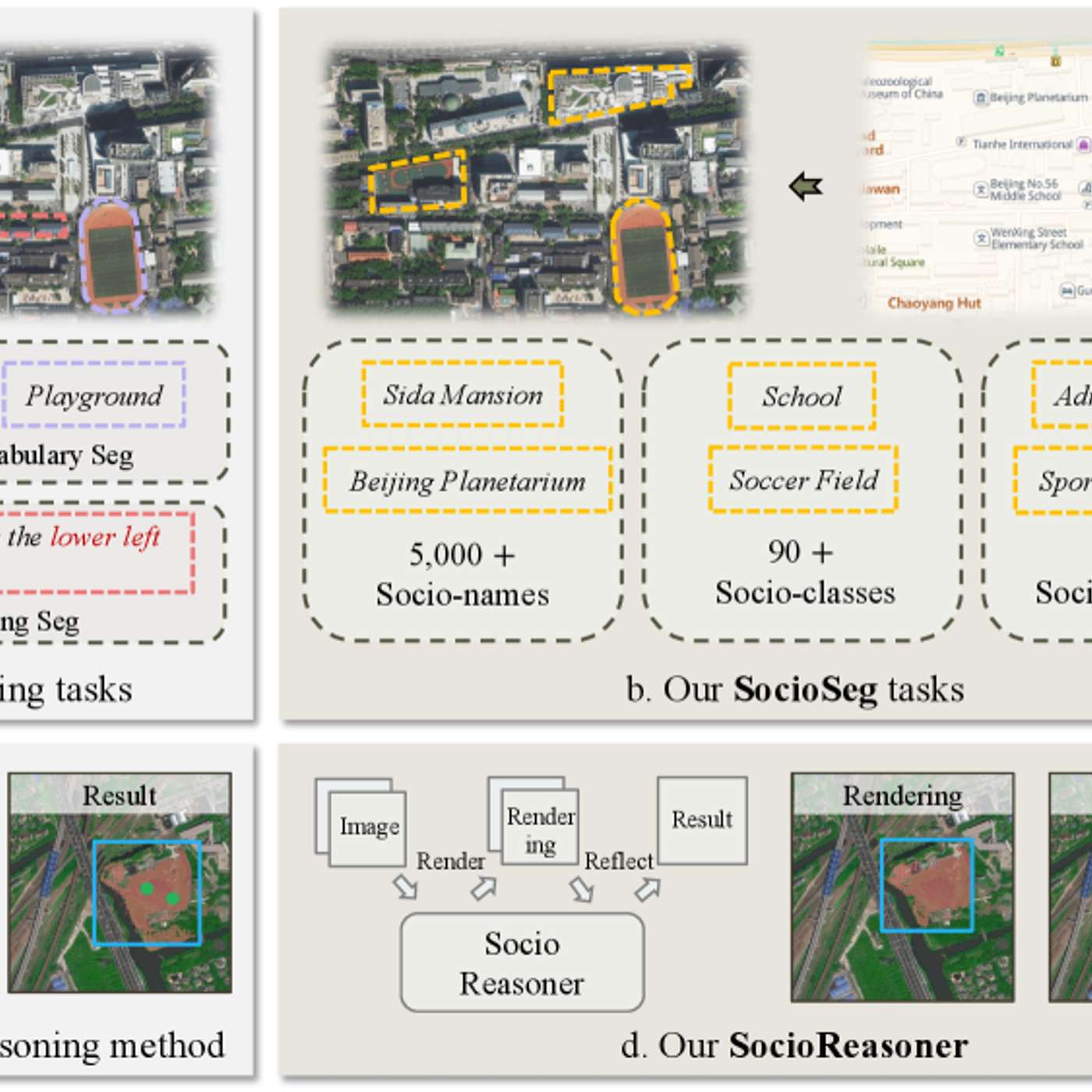
AI now uses multi-stage reasoning, like a human planner, to understand the social function of cities from satellite images, not just shapes.
January 27, 2026
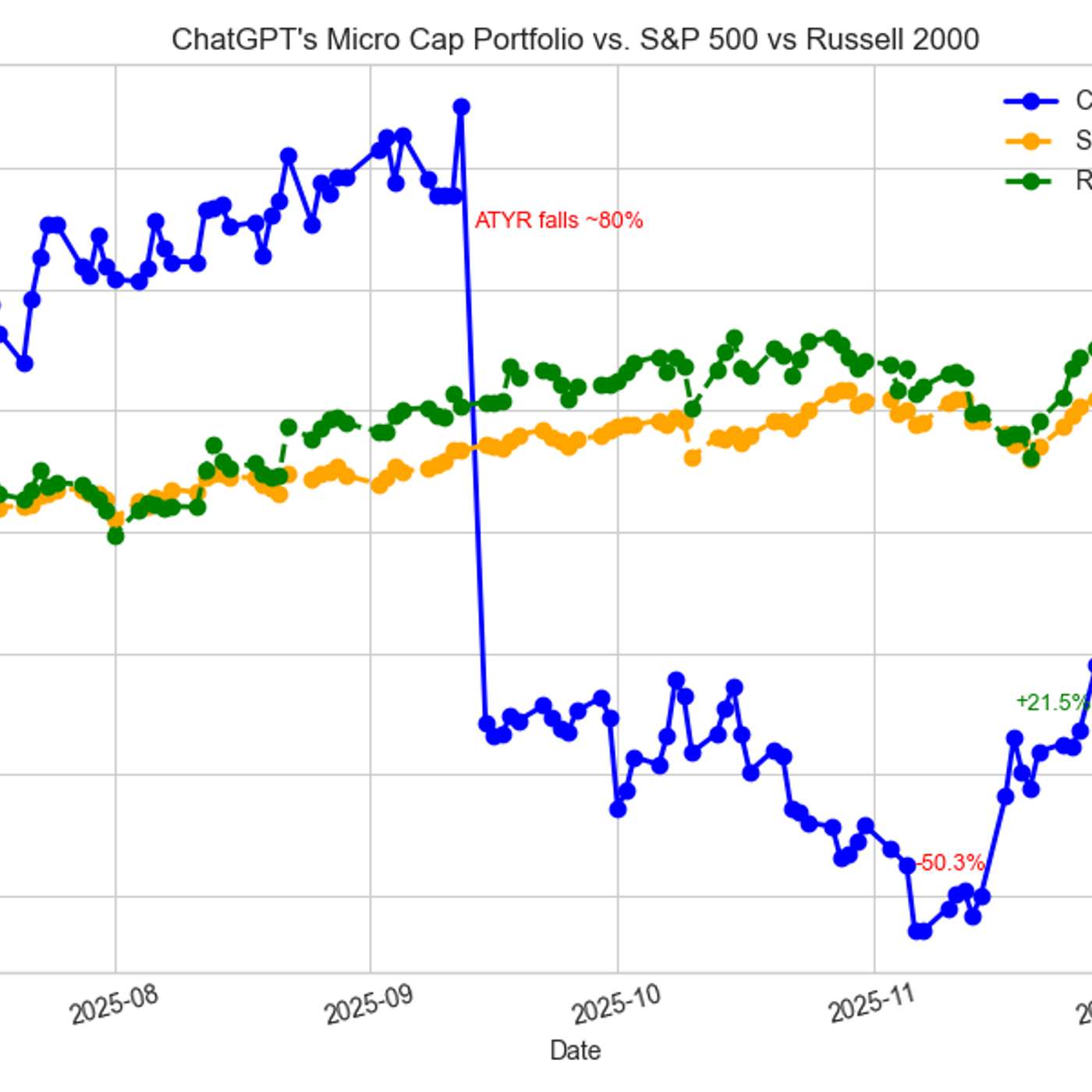
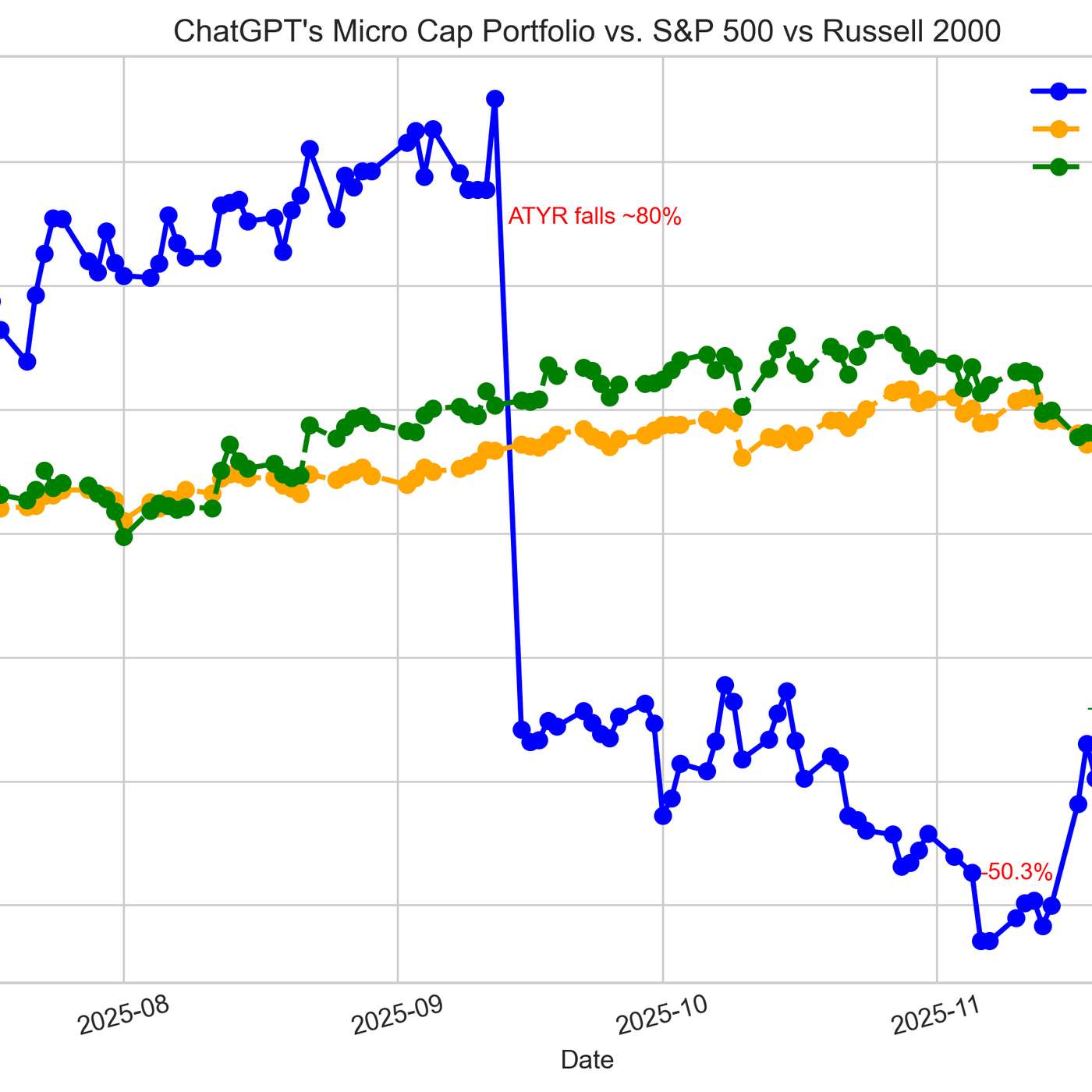
After 26 weeks, the ChatGPT-managed micro-cap portfolio concluded at $82.88, significantly underperforming the S&P 500's $111.68.
January 25, 2026
Small language models are now rivaling large ones, driven by superior data quality and efficient architectures, transforming AI deployment economics.
January 24, 2026
LLMs can master strategy games like Civilization by focusing on long-term narrative, delegating tactical execution to specialized algorithms.
January 23, 2026
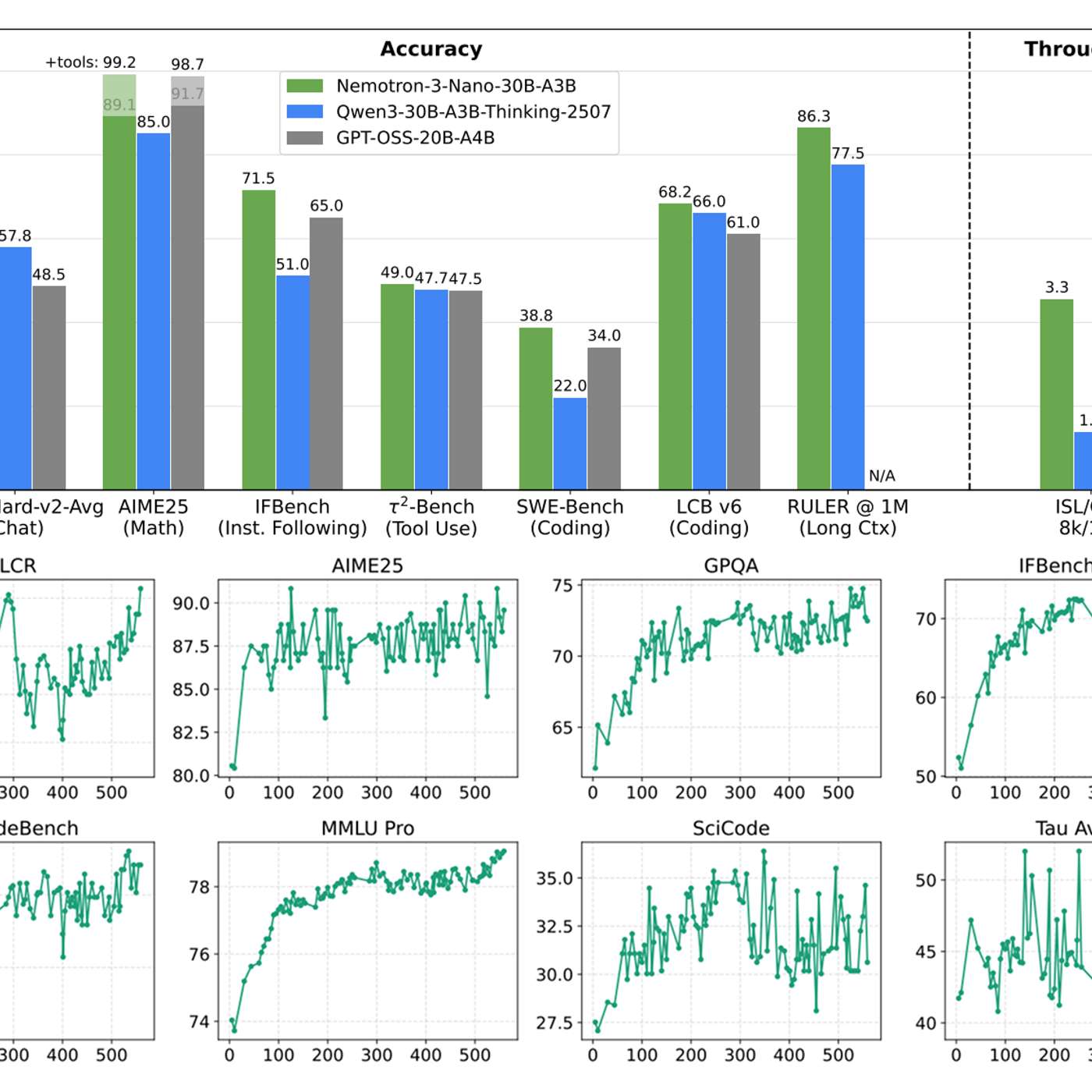
NVIDIA's Nemotron stack targets production AI agent failures by unifying speech, retrieval, and safety to solve critical integration bottlenecks.
January 22, 2026
An AI successfully created a complex C++ audio/video equalizer for real-time streaming, demonstrating AI's power to enhance, not replace, developers.
January 21, 2026
Anthropic's Agent Skills bridge the gap between AI language and action, enabling models like Claude to execute real-world tasks directly.
January 20, 2026
In its final week, a ChatGPT-managed stock portfolio pivots from high-risk bets to a balanced strategy to preserve capital and capture upside.
January 19, 2026
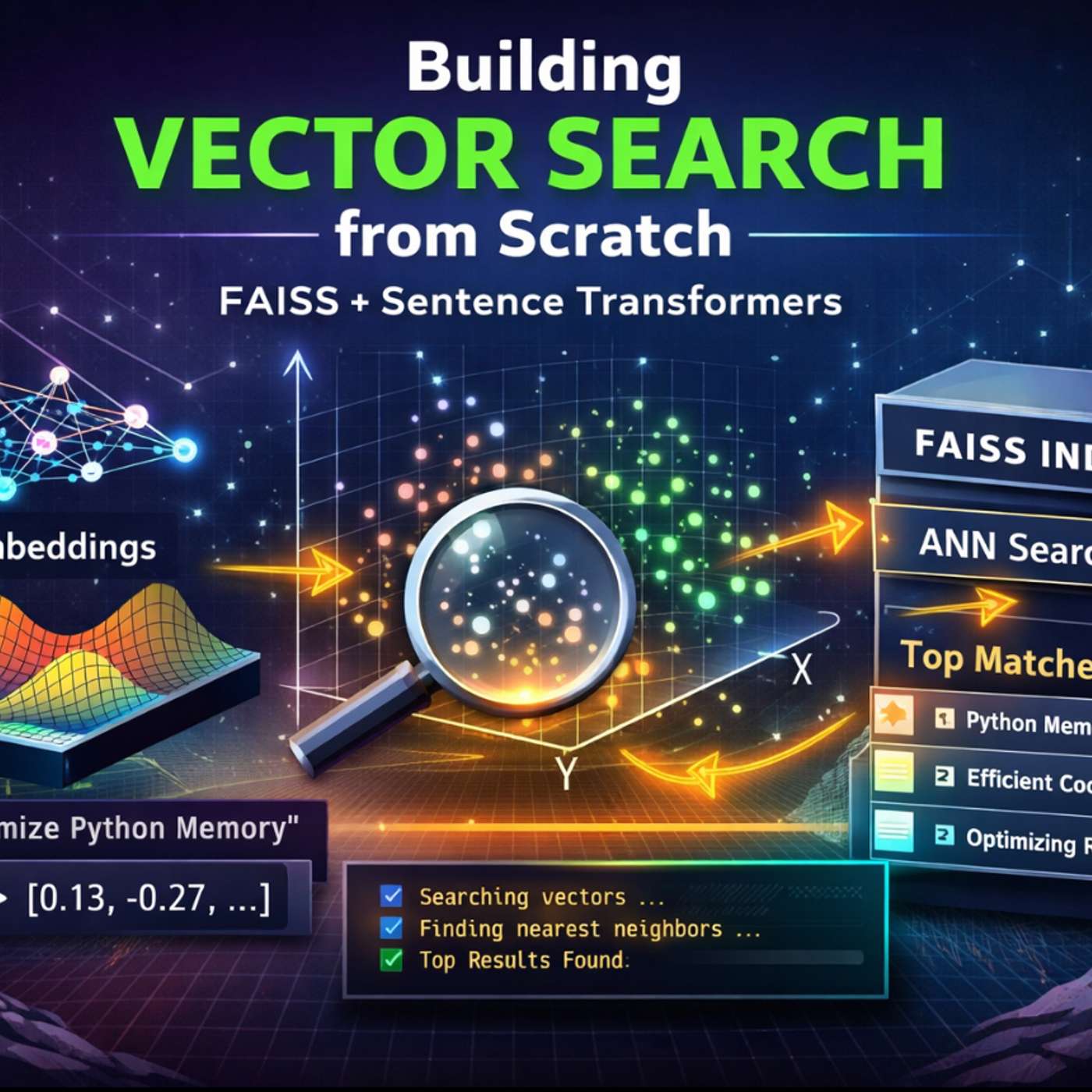
Build a vector search engine in Python with FAISS. Master embeddings, similarity search, and the core tech behind modern RAG and AI systems.
January 18, 2026
Generative AI disrupts the creative economy, sparking legal and ethical debates on authorship, copyright, and fair compensation for artists.
January 17, 2026
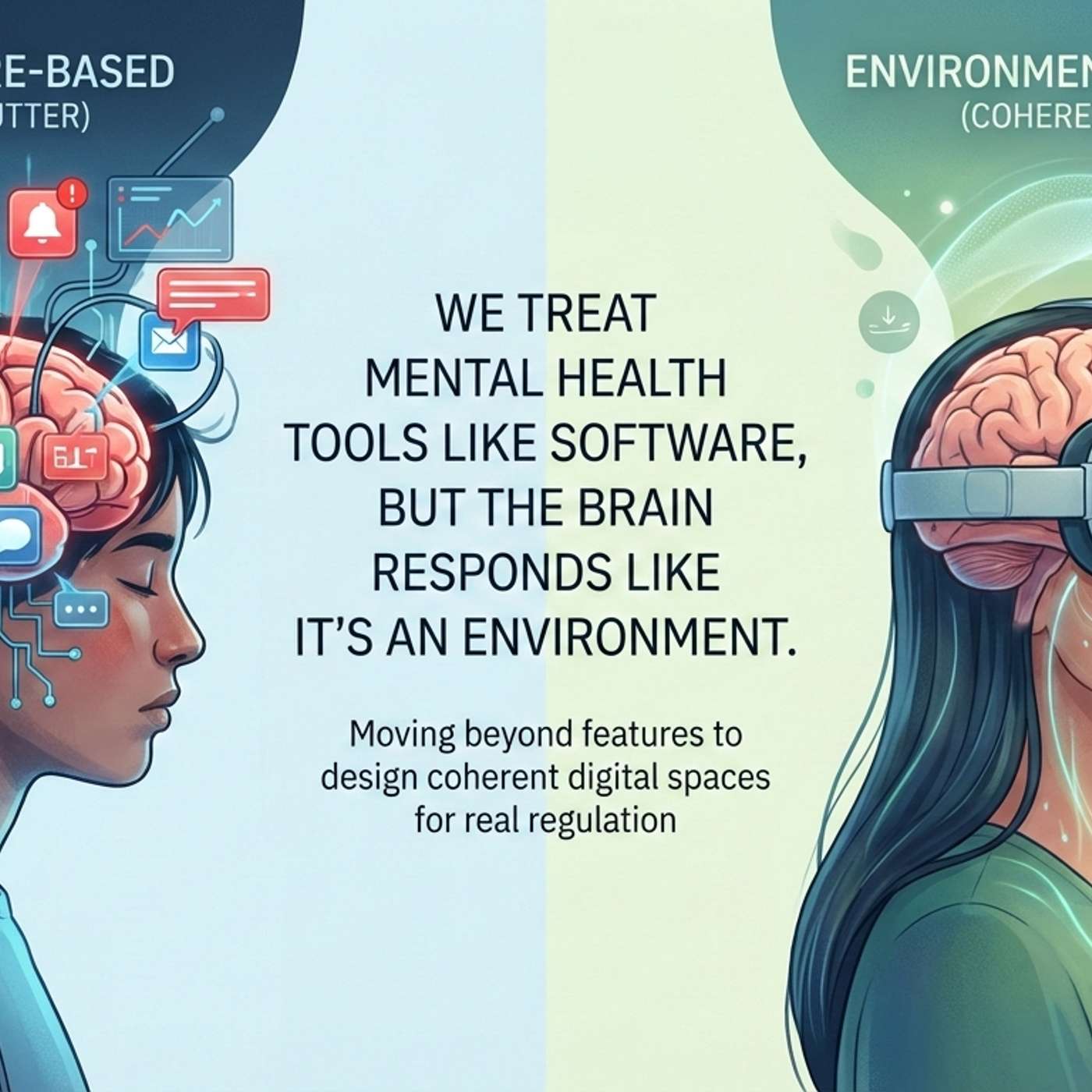
Digital mental health tools fail by offering features, not environments. Lasting change requires designing calm, coherent digital spaces.
January 16, 2026
In the age of AI, taste is the new moat. It's not an innate gift but a skill cultivated through deep exposure, separating valuable work from generic 'slop'.
January 14, 2026
Build a data flywheel in <100 lines of Python. This system turns AI mistakes into perfect training data to improve model accuracy.
January 13, 2026
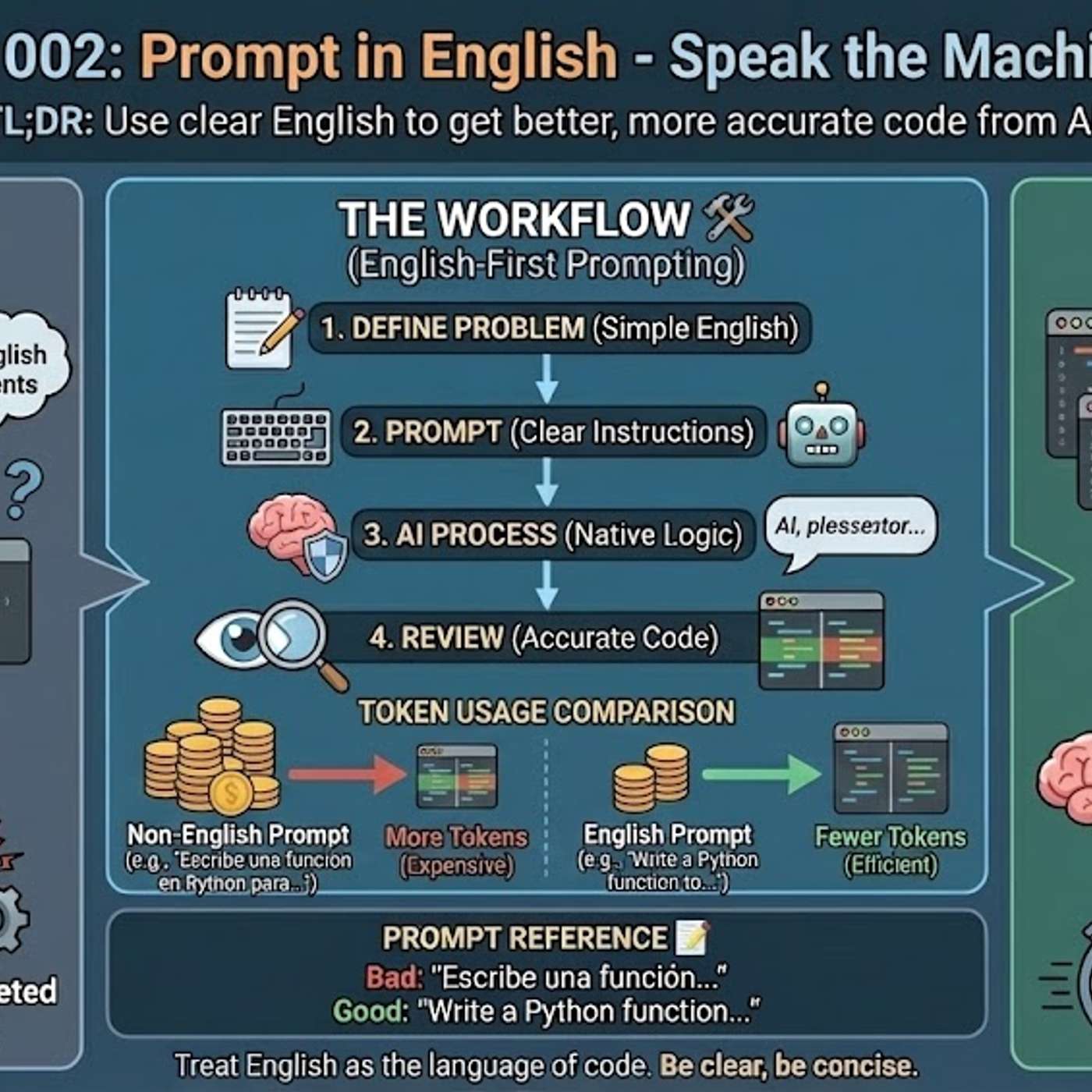
For better AI-generated code, speak the model's language: English. This simple switch improves accuracy, saves tokens, and reduces hallucinations.
January 12, 2026
"Vibe Coding" is a new paradigm where developers orchestrate AI to generate code, shifting focus from writing syntax to validating outcomes.
January 11, 2026
A journalist's experiment using ChatGPT for reporting reveals major flaws in accuracy and sourcing, making it unreliable for data journalism.
MiniMax M2.1 bets on usability over size. Its efficient MoE architecture targets multi-language developers, prioritizing practical performance.
January 10, 2026
OpenAI eyes a potential $1T IPO in 2026, fueled by major tech investments but facing market bubble concerns and geopolitical competition.
January 8, 2026
AI agents face 5 overlooked security threats beyond prompt injection. Secure your deployment with architectural defenses before you're hacked.
January 7, 2026
IA2's preprocessing phase uses workload models & candidate enumeration to create a solid foundation for AI-driven database index selection.
January 6, 2026
Move beyond fragile growth hacks. Build sustainable, AI-driven marketing systems that learn and adapt to engineer compounding growth.
January 5, 2026
Can LLMs write quality code? A 40k-line experiment proves they can, but only with clear specs, structured frameworks, and metric-driven oversight.
January 4, 2026
AI slop, demo culture, and market crashes stem from one systemic failure: 'interpretation lag,' where capability outpaces shared understanding.
January 3, 2026
AI alignment is impossible from code alone. Citing Gödel's theorems, this analysis argues for an external 'anchor' of human worth to guide AI.
AI is no longer a luxury. Startups must leverage AI in marketing for data-driven personas, lead scoring, and hyper-personalization to compete.
January 2, 2026
RL for pricing is not an algorithm problem but an organizational one, requiring a shift from prediction to building a system that learns safely.
"Vibe coding" (95% AI-generated code) accelerates prototypes but creates a "hangover" of massive technical debt and debugging nightmares.
December 31, 2025
The era of the click is over. Brands must pivot from SEO to Answer Engine Optimization (AEO) to become a definitive source for AI agents.
December 30, 2025
2025 marked the rise of AI agents, shifting development from 'vibe coding' to structured, spec-driven work and introducing new protocols like MCP.
December 29, 2025
Google's Code Wiki tackles the 70% of dev time spent on code comprehension by creating a living, structured map of any codebase.
December 28, 2025
AI is shifting from a replacement tool to a collaborative partner, augmenting human roles to boost productivity and create new opportunities.
December 27, 2025
Ethics isn't policy, it's a skill. The workplace is the real laboratory for honing the human judgment required to build ethical AI.