Get your free personalized podcast brief
We scan new podcasts and send you the top 5 insights daily.
Permitting a nuclear-armed power to defeat a non-nuclear state using nuclear coercion destroys non-proliferation incentives. Snyder highlights that Ukraine relinquished its nuclear arsenal under the 1994 Budapest Memorandum in return for security assurances that went unfulfilled. If Russia achieves victory, middle powers worldwide will conclude that developing their own nuclear arsenals is the only reliable safeguard against major powers, drastically raising global nuclear risk.

Related Insights
If a nuclear state like Russia successfully invades a non-nuclear state using nuclear blackmail, it sends a clear message to middle powers. They will conclude that acquiring nuclear weapons is the only reliable way to deter aggression from larger, nuclear-armed neighbors, making the world far more dangerous.

Contrary to claims of its failure, nuclear deterrence is working by successfully preventing direct military intervention by major powers (e.g., NATO in Ukraine). Its effectiveness is often misjudged because it isn't designed to deter all forms of conflict or lesser aggression, but to prevent catastrophic, direct confrontations.

The greatest risk of nuclear weapon use is not a peacetime accident but a nation facing catastrophic defeat in a conventional war. The pressure to escalate becomes immense when a country's conventional forces are being eradicated, as it may see nuclear use as its only path to survival.

The world is observing two key events: Ukraine was attacked *after* giving up its nuclear arsenal, and Iran was attacked while *pursuing* one. Analyst Fiona Hill argues this creates a powerful incentive for nations to acquire nuclear weapons as the sole guarantor of sovereignty, potentially triggering widespread proliferation.
China's nuclear strategy differs from the Cold War dynamic. While the US and Soviets were near parity, incentivizing de-escalation, China lags far behind with only 600 warheads to the US's 5,300. This massive gap provides a strong strategic incentive for China to rapidly build its arsenal to gain leverage, particularly regarding Taiwan.

With the New START treaty gone and doubts about America's commitment to "extended deterrence," especially under Donald Trump, allies in Europe and Asia are debating acquiring their own nuclear weapons. This could lead to a dangerous proliferation free-for-all, increasing the risk of preemptive strikes.
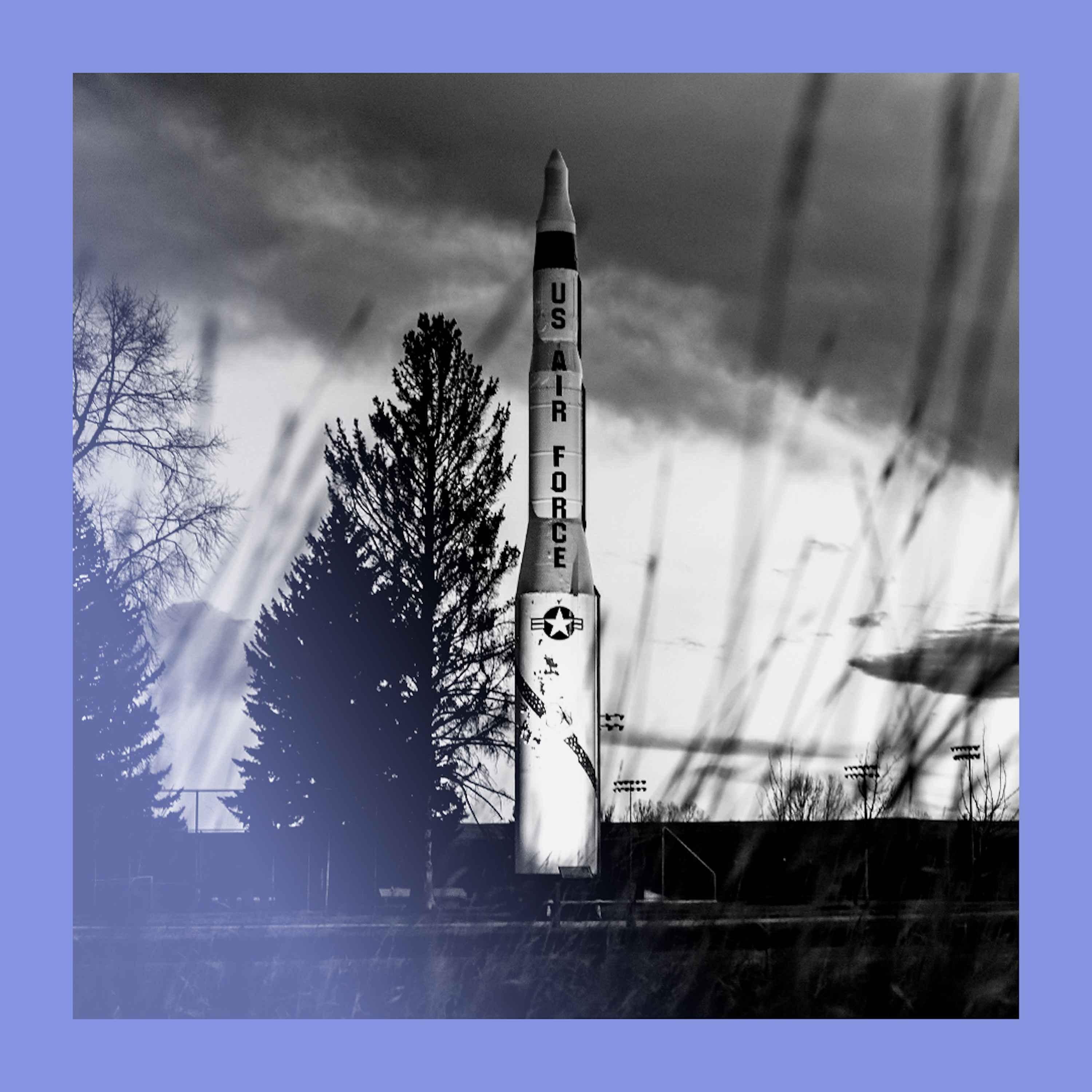
Previously taboo, the use of tactical nuclear weapons is entering mainstream strategic discussions. The US might consider it against Iran's fortified nuclear sites, and Russia against Ukraine. This shift indicates a dangerous escalation in geopolitical risk where limited nuclear use is no longer unthinkable.

The current geopolitical landscape shows that nations with nuclear weapons can act with impunity, while non-nuclear nations are vulnerable. The West's hesitant support for Ukraine reinforces this lesson, creating a rational incentive for smaller countries to pursue their own nuclear deterrents, risking dangerous proliferation.

In a world with nuclear weapons, conflicts between major powers are determined less by economic or military might and more by which side demonstrates greater resolve and willingness to risk escalation. This dynamic places an upper bound on how much one state can coerce another.

This model, from the Iran nuclear deal, pre-commits the West to automatically reinstate sanctions and supply advanced weapons if Russia breaks the ceasefire. This removes political friction and creates a more credible deterrent than vague promises of future action.