Get your free personalized podcast brief
We scan new podcasts and send you the top 5 insights daily.
The world is observing two key events: Ukraine was attacked *after* giving up its nuclear arsenal, and Iran was attacked while *pursuing* one. Analyst Fiona Hill argues this creates a powerful incentive for nations to acquire nuclear weapons as the sole guarantor of sovereignty, potentially triggering widespread proliferation.

Related Insights
The US-led intervention in Libya after Muammar Gaddafi voluntarily dismantled his nuclear program serves as a key lesson for authoritarian regimes. It demonstrated that disarmament leads to punishment, not security, directly incentivizing countries like Iran and North Korea to pursue nuclear weapons for regime survival.

Constant military pressure and assassinations remove any disincentive for Iran to pursue nuclear weapons. When a regime is already being attacked, acquiring a nuclear deterrent becomes its most logical and effective path to survival, mirroring North Korea's strategy.

While the previous Supreme Leader's caution kept Iran from weaponizing, his death and the rise of a leader closer to the IRGC increases the likelihood of a push for a nuclear bomb. The new leadership is more risk-tolerant and convinced a nuclear deterrent is necessary for survival.
The president's explicit threat is perceived as a credible statement of genocidal intent, given US nuclear capabilities. This erodes any pro-American sentiment, uniting even pro-democracy Iranians with their regime for protection and fueling support for developing a nuclear deterrent.

Before the conflict, Iran maintained a "credible but not actual" nuclear program as a deterrent. By assassinating the supreme leader and launching an air war, the US has proven this strategy insufficient, forcing Iran to pursue an actual nuclear weapon for survival.

With the New START treaty gone and doubts about America's commitment to "extended deterrence," especially under Donald Trump, allies in Europe and Asia are debating acquiring their own nuclear weapons. This could lead to a dangerous proliferation free-for-all, increasing the risk of preemptive strikes.
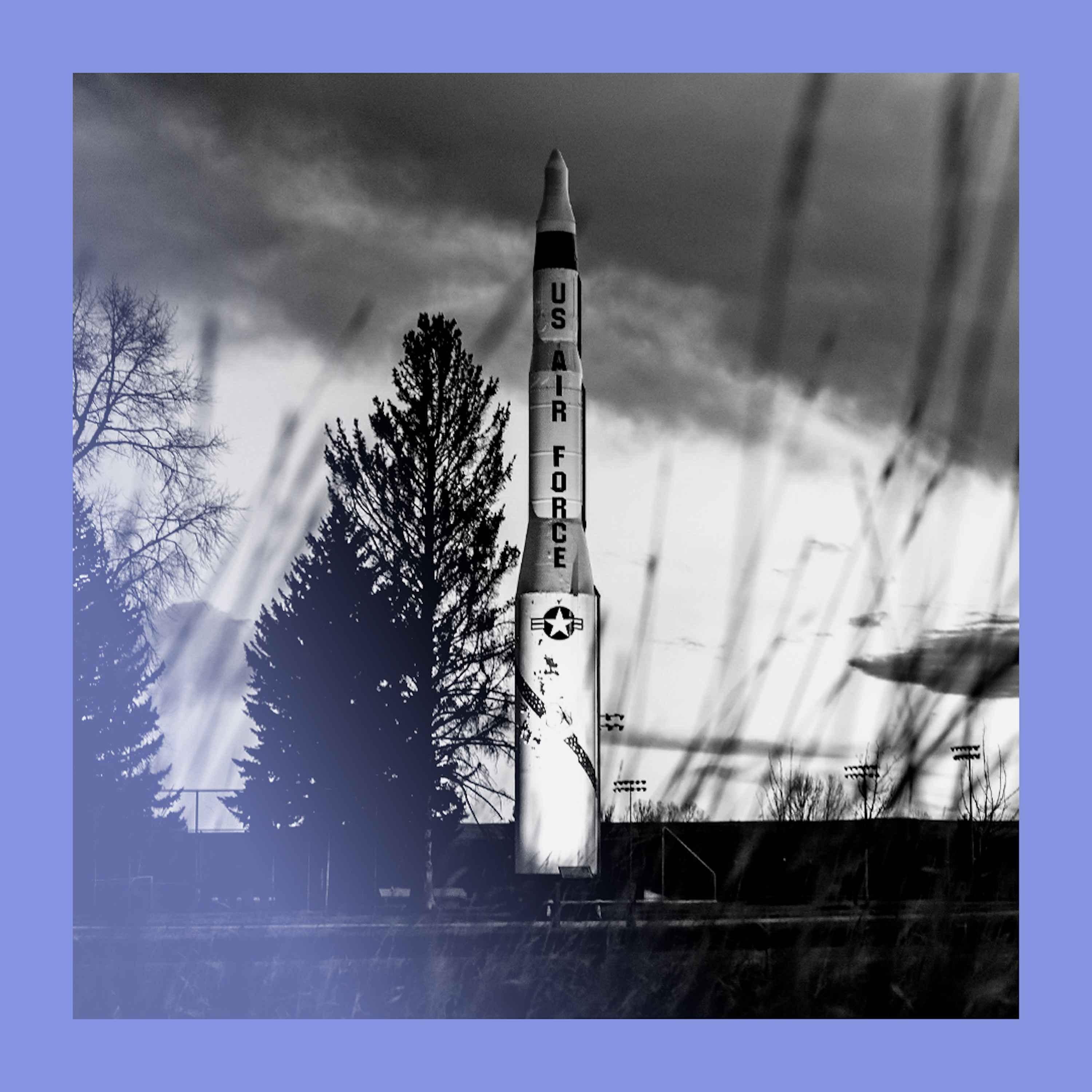
Nations like Poland pursuing nuclear weapons signals a global shift away from a rules-based international order. Countries increasingly realize national security depends on raw military and economic power, not alliances and treaties.

Iran's goal isn't a surprise attack, but achieving nuclear immunity. This involves developing several bombs at once, then conducting a series of public tests to demonstrate a robust and survivable nuclear capability, thereby preventing preemptive strikes, as North Korea successfully did.
The current geopolitical landscape shows that nations with nuclear weapons can act with impunity, while non-nuclear nations are vulnerable. The West's hesitant support for Ukraine reinforces this lesson, creating a rational incentive for smaller countries to pursue their own nuclear deterrents, risking dangerous proliferation.

North Korea views the U.S. attacks on Iran's nascent nuclear facilities as proof of its own program's superior survivability. Seeing the U.S. struggle to neutralize a less advanced, concentrated program validates North Korea's long-term investment in a dispersed, hidden nuclear arsenal.