Get your free personalized podcast brief
We scan new podcasts and send you the top 5 insights daily.
This model, from the Iran nuclear deal, pre-commits the West to automatically reinstate sanctions and supply advanced weapons if Russia breaks the ceasefire. This removes political friction and creates a more credible deterrent than vague promises of future action.

Related Insights
Despite being the weaker military party, Iran's ability to inflict persistent pain on regional shipping and U.S. allies gives it leverage. To secure a ceasefire, the U.S. may have to offer incentives like sanctions relief, allowing Iran to turn military weakness into diplomatic strength.

The most significant challenge to a lasting peace is not agreeing on territorial lines but on the implementation sequence. Debates over whether a ceasefire, troop withdrawal, security guarantees, or referendums should come first create complex logistical and trust issues that could easily cause a deal to collapse.
A ceasefire won't eliminate underlying tensions. Instead, it could create new flashpoints, such as a breakdown of the agreement or instability in Belarus, potentially dragging NATO into a future conflict more directly than the current war.
Different parties are negotiating separate security guarantees and other arrangements in isolation. This prevents the necessary trade-offs for a holistic deal. A successful outcome requires getting all key stakeholders at the same table to discuss all issues together.
Ukraine's most realistic theory of success is not reclaiming all territory militarily, but leveraging its advantages to stabilize the front and inflict unsustainable casualties and economic costs on Russia. This strategy aims to make the war so futile for Moscow that it forces a favorable negotiated settlement.
This strategy involves supplying Ukraine only with defensive systems (like air defense) during peacetime. Offensive capabilities (long-range missiles) would be stockpiled nearby and immediately provided if Russia violates the ceasefire, creating a powerful incentive for compliance.
Ukraine should aim to become the 'South Korea' of Europe. This means accepting a negotiated peace or armistice that secures its independence and sovereignty over most of its territory, even if it doesn't reclaim everything. It can then rebuild into a prosperous democracy, creating a stark contrast with a decaying Russia.

Russia views the presence of NATO-member troops as an unacceptable condition. The UK and French promise of such a deployment acts as a poison pill in negotiations, making a ceasefire agreement less likely, rather than serving as a credible deterrent against future aggression.
By committing to a multi-year, ~$400 billion funding plan, Europe can turn Ukraine's financial weakness into a strategic advantage. This sustained support would exacerbate Russia's already high financial burden, potentially triggering a banking or inflation crisis and crippling its war machine.
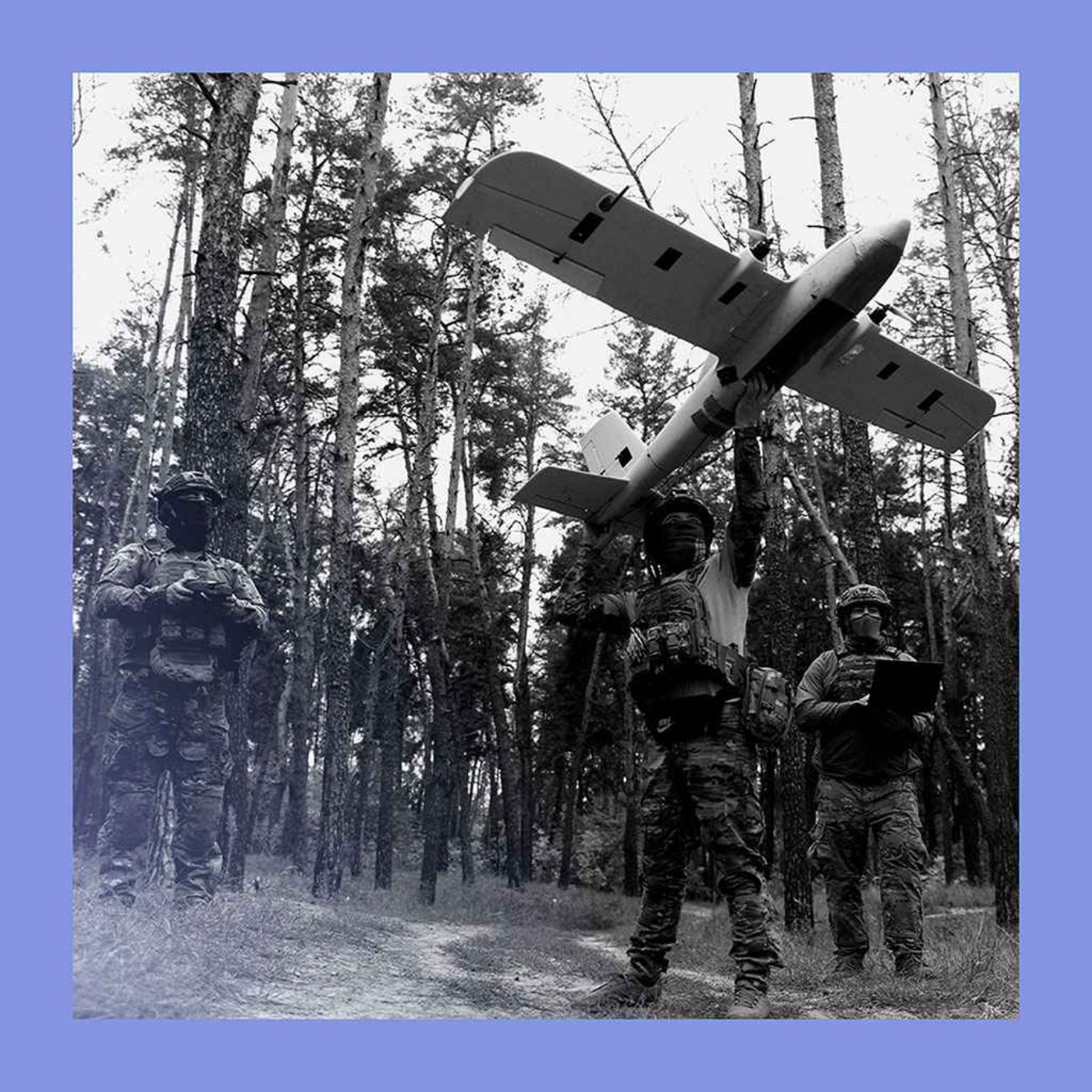
A multinational peacekeeping force from BRICS countries (China, India, Brazil, etc.) could be more effective in conflicts like the Russia-Ukraine war. The rationale is that these nations are seen as more neutral than NATO and hold significant economic leverage (e.g., as major buyers of Russian energy), making them a credible guarantee against further aggression.
