Get your free personalized podcast brief
We scan new podcasts and send you the top 5 insights daily.
The greatest risk of nuclear weapon use is not a peacetime accident but a nation facing catastrophic defeat in a conventional war. The pressure to escalate becomes immense when a country's conventional forces are being eradicated, as it may see nuclear use as its only path to survival.

Related Insights
Constant military pressure and assassinations remove any disincentive for Iran to pursue nuclear weapons. When a regime is already being attacked, acquiring a nuclear deterrent becomes its most logical and effective path to survival, mirroring North Korea's strategy.

The catastrophic consequence of even a single nuclear submarine escaping a first strike creates an incredibly high burden of proof. An attacker must be virtually 100% confident in eliminating all retaliatory forces simultaneously, a level of certainty that is practically unattainable.

China's nuclear strategy differs from the Cold War dynamic. While the US and Soviets were near parity, incentivizing de-escalation, China lags far behind with only 600 warheads to the US's 5,300. This massive gap provides a strong strategic incentive for China to rapidly build its arsenal to gain leverage, particularly regarding Taiwan.

The doctrine of mutually assured destruction (MAD) relies on the threat of retaliation. However, once an enemy's nuclear missiles are in the air, that threat has failed. Sam Harris argues that launching a counter-strike at that point serves no strategic purpose and is a morally insane act of mass murder.

Nuclear deterrence works because the weapons provide a "crystal ball effect." Unlike WWI leaders who couldn't foresee 1918's carnage, modern leaders have a stark, pessimistic view of a nuclear war's outcome. This shared vision of guaranteed calamity creates enormous incentives to avoid starting such a conflict.
Initial military actions, like successful bombings, can feel like victories. However, they often fail to solve the core political issue, trapping leaders into escalating the conflict further to achieve the original strategic goal, as they don't want to accept failure.
The current geopolitical landscape shows that nations with nuclear weapons can act with impunity, while non-nuclear nations are vulnerable. The West's hesitant support for Ukraine reinforces this lesson, creating a rational incentive for smaller countries to pursue their own nuclear deterrents, risking dangerous proliferation.

Previously a remote possibility, direct military intervention in Iran creates a scenario where an unconditional surrender is demanded. This leaves Iran with little to lose, making the use of a nuclear weapon a logical defensive step, likely delivered via a cargo ship to a major US port.

Unlike China's historical "minimal deterrence" (surviving a first strike to retaliate), the US and Russia operate on "damage limitation"—using nukes to destroy the enemy's arsenal. This logic inherently drives a numbers game, fueling an arms race as each side seeks to counter the other's growing stockpile.
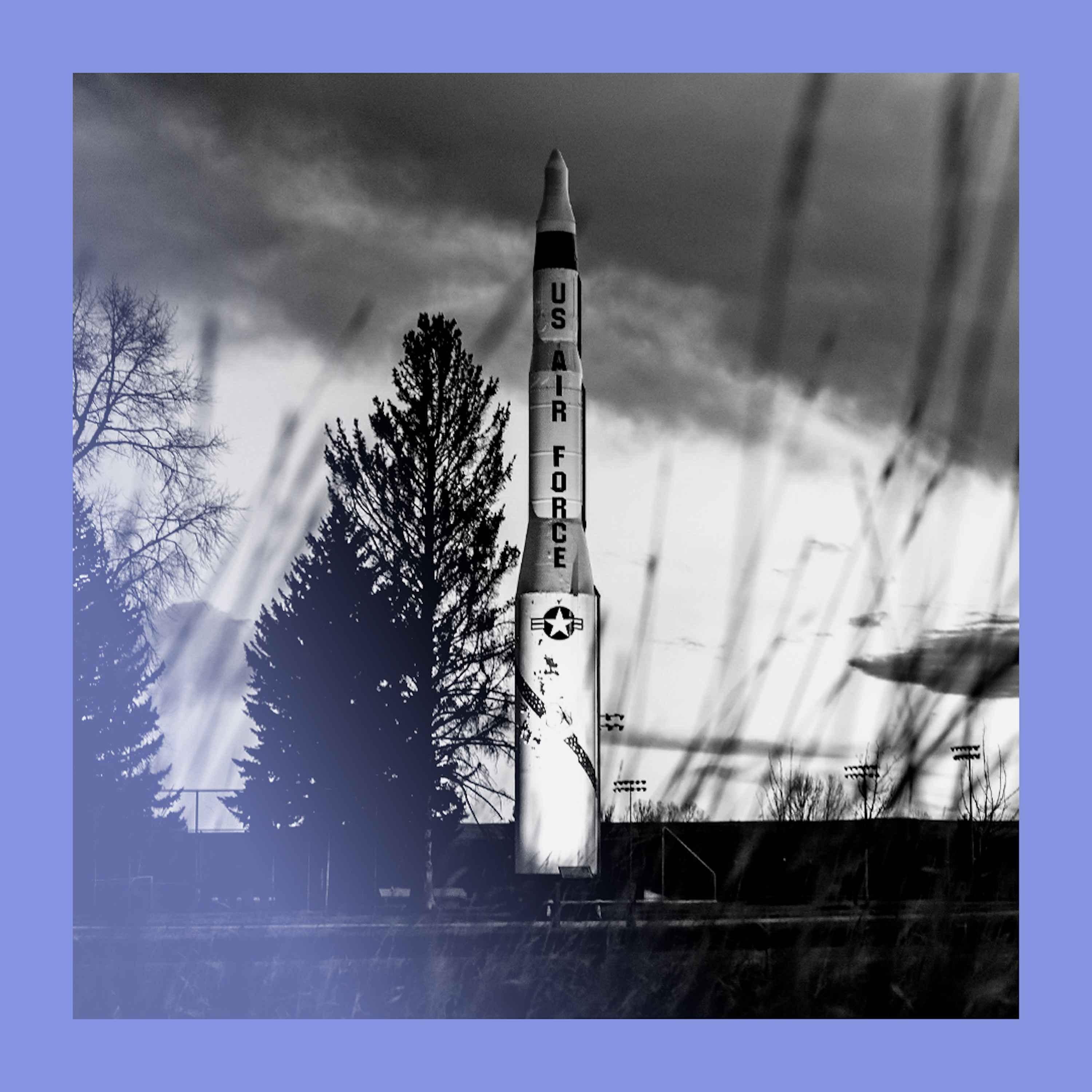
In a world with nuclear weapons, conflicts between major powers are determined less by economic or military might and more by which side demonstrates greater resolve and willingness to risk escalation. This dynamic places an upper bound on how much one state can coerce another.