Get your free personalized podcast brief
We scan new podcasts and send you the top 5 insights daily.
China's nuclear strategy differs from the Cold War dynamic. While the US and Soviets were near parity, incentivizing de-escalation, China lags far behind with only 600 warheads to the US's 5,300. This massive gap provides a strong strategic incentive for China to rapidly build its arsenal to gain leverage, particularly regarding Taiwan.

Related Insights
The U.S. Navy's ability to track Soviet submarines while keeping its own hidden threatened the USSR's second-strike capability, the cornerstone of nuclear deterrence. This technological and financial asymmetry pushed the Soviets toward de-escalation and ultimately, ending the war.

The dynamic between a rising power (China) and a ruling one (the U.S.) fits the historical pattern of the "Thucydides' trap." In 12 of the last 16 instances of this scenario, the confrontation has ended in open war, suggesting that a peaceful resolution is the exception, not the rule.

PGIM's Daleep Singh argues that the risk of mutually assured destruction prevents direct military conflict between nuclear powers. This channels confrontation into the economic sphere, using tools like sanctions and trade policy as primary weapons of statecraft.

China's showcase of advanced military hardware, like its new aircraft carrier, is primarily a psychological tool. The strategy is to build a military so 'forbiddingly huge' that the US would hesitate to engage, allowing China to achieve goals like reabsorbing Taiwan without fighting. This suggests their focus is on perceived power to deter intervention.

With the New START treaty gone and doubts about America's commitment to "extended deterrence," especially under Donald Trump, allies in Europe and Asia are debating acquiring their own nuclear weapons. This could lead to a dangerous proliferation free-for-all, increasing the risk of preemptive strikes.
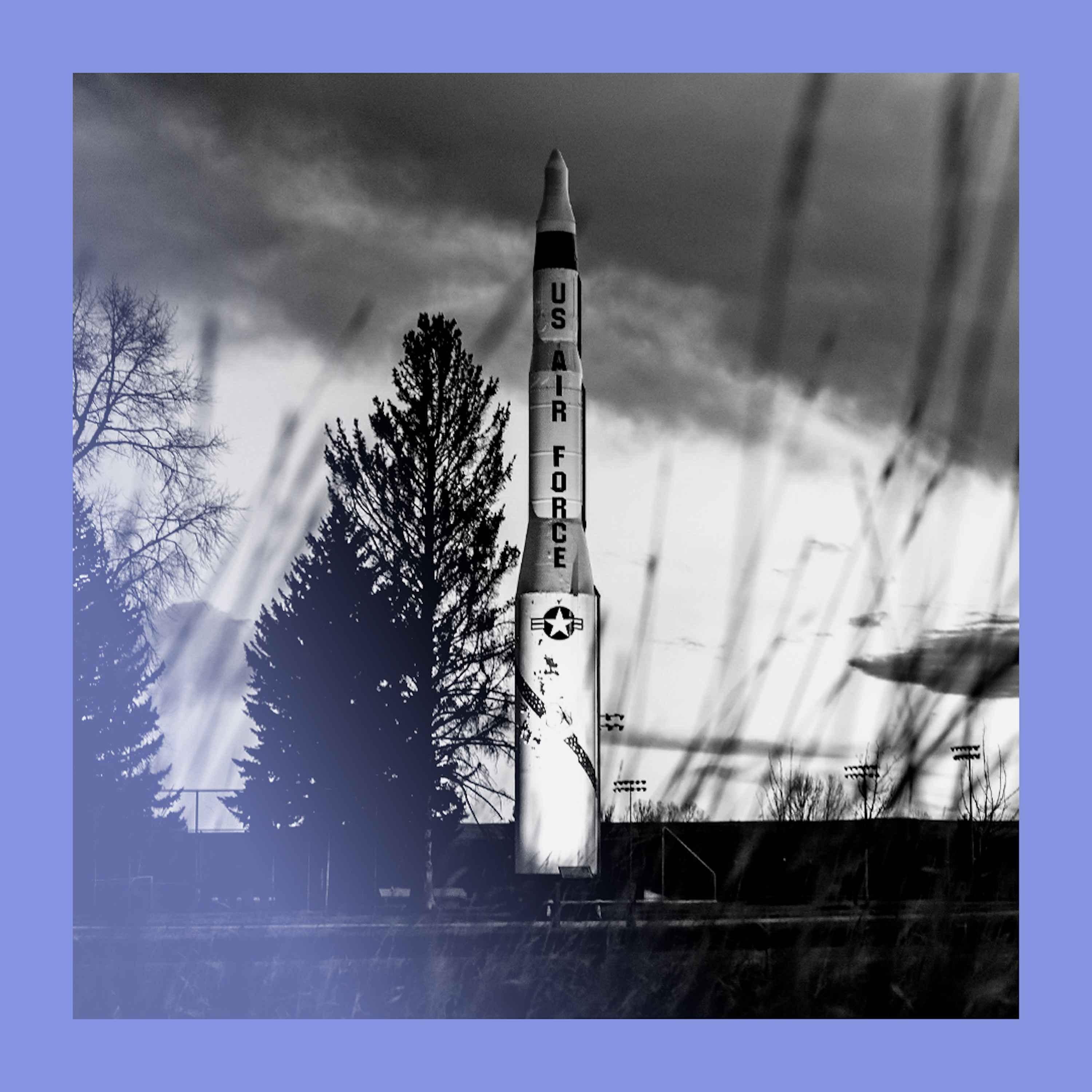
While the U.S. talks about pushing back against China, its military position in East Asia has declined relative to China's rapid buildup. Unlike during the Cold War, U.S. leaders haven't committed the necessary resources or explained the stakes to the American public.

Unlike the bipolar, economically isolated US-Soviet dynamic, today's world is multipolar. Crucially, the US and China compete within the same global economic system, making containment strategies from the Cold War era ineffective and dangerous to apply.

Simulations of a conflict with China consistently show the US depleting its high-end munitions in about seven days. The industrial base then requires two to three years to replenish these stockpiles, revealing a massive gap between military strategy and production capacity that undermines deterrence.
Unlike China's historical "minimal deterrence" (surviving a first strike to retaliate), the US and Russia operate on "damage limitation"—using nukes to destroy the enemy's arsenal. This logic inherently drives a numbers game, fueling an arms race as each side seeks to counter the other's growing stockpile.
The "Japan panic" was rooted in fears of economic subordination—like having a Japanese boss or seeing landmarks bought by Japanese firms. In contrast, anxiety about China is dominated by concerns over direct military conflict and a technological arms race, a much starker form of geopolitical rivalry.
