Get your free personalized podcast brief
We scan new podcasts and send you the top 5 insights daily.
Previously taboo, the use of tactical nuclear weapons is entering mainstream strategic discussions. The US might consider it against Iran's fortified nuclear sites, and Russia against Ukraine. This shift indicates a dangerous escalation in geopolitical risk where limited nuclear use is no longer unthinkable.

Related Insights
A state cannot test its systems for eliminating an adversary's entire nuclear arsenal without the test itself being mistaken for the start of a real war. This inability to rehearse creates fundamental, irreducible uncertainty about the plan's effectiveness for any potential attacker.

The idea that using a nuclear weapon would assert power is flawed. In the modern world, the first nation to use a nuke would instantly lose all moral authority, be abandoned by allies, and become a global pariah. This act of self-destruction would cede power to rivals and destroy the soft power necessary to lead.

The greatest risk of nuclear weapon use is not a peacetime accident but a nation facing catastrophic defeat in a conventional war. The pressure to escalate becomes immense when a country's conventional forces are being eradicated, as it may see nuclear use as its only path to survival.

The world is observing two key events: Ukraine was attacked *after* giving up its nuclear arsenal, and Iran was attacked while *pursuing* one. Analyst Fiona Hill argues this creates a powerful incentive for nations to acquire nuclear weapons as the sole guarantor of sovereignty, potentially triggering widespread proliferation.

With the New START treaty gone and doubts about America's commitment to "extended deterrence," especially under Donald Trump, allies in Europe and Asia are debating acquiring their own nuclear weapons. This could lead to a dangerous proliferation free-for-all, increasing the risk of preemptive strikes.
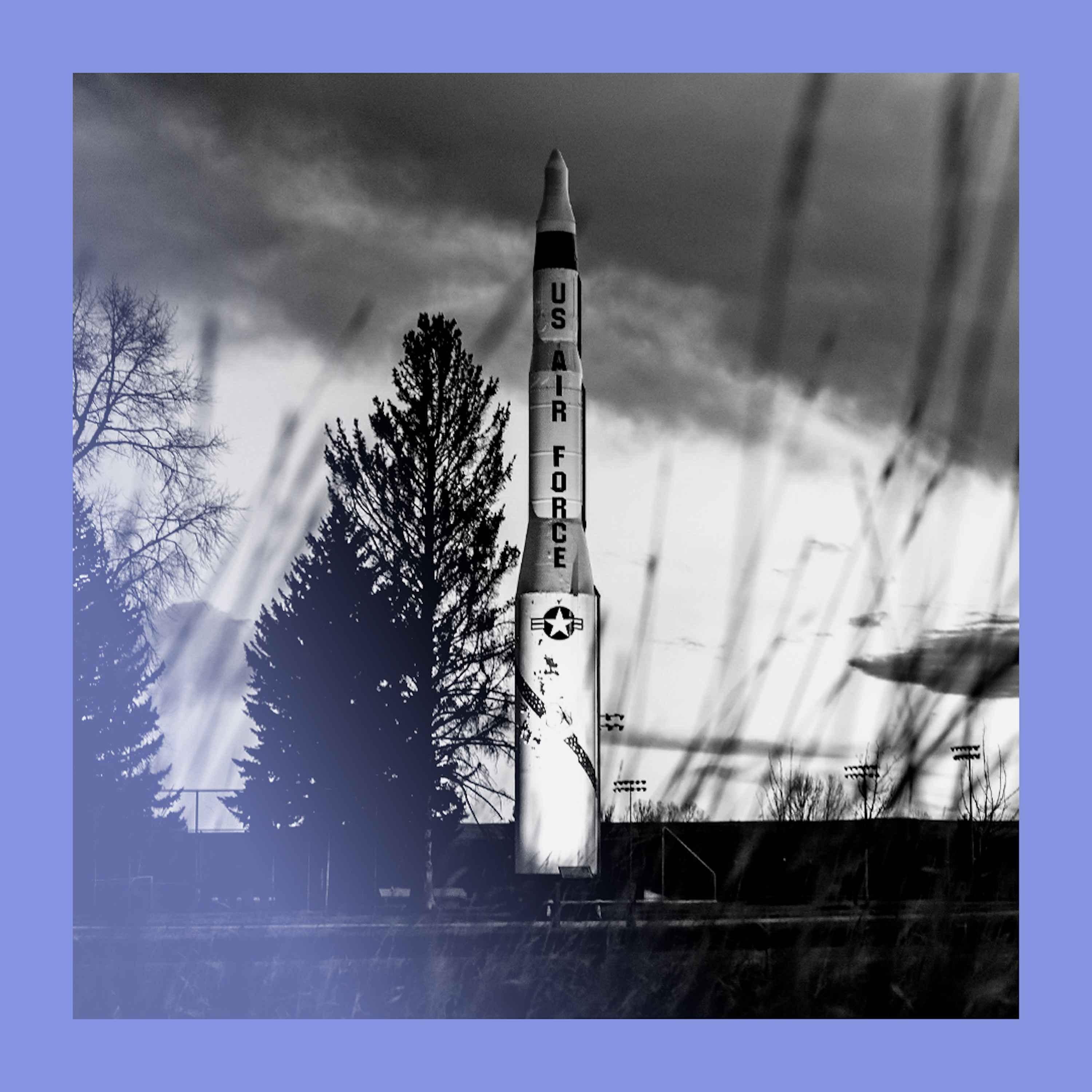
The military occupation of Chernobyl and Zaporizhia created a new category of nuclear threat for which no international protocols exist. Unlike accidents, these were deliberate acts of war, demonstrating a shocking disregard for global safety and revealing a massive gap in international law and preparedness.

The current geopolitical landscape shows that nations with nuclear weapons can act with impunity, while non-nuclear nations are vulnerable. The West's hesitant support for Ukraine reinforces this lesson, creating a rational incentive for smaller countries to pursue their own nuclear deterrents, risking dangerous proliferation.

Previously a remote possibility, direct military intervention in Iran creates a scenario where an unconditional surrender is demanded. This leaves Iran with little to lose, making the use of a nuclear weapon a logical defensive step, likely delivered via a cargo ship to a major US port.

Unlike China's historical "minimal deterrence" (surviving a first strike to retaliate), the US and Russia operate on "damage limitation"—using nukes to destroy the enemy's arsenal. This logic inherently drives a numbers game, fueling an arms race as each side seeks to counter the other's growing stockpile.
In a world with nuclear weapons, conflicts between major powers are determined less by economic or military might and more by which side demonstrates greater resolve and willingness to risk escalation. This dynamic places an upper bound on how much one state can coerce another.