Unlike traditional religious cults, many new internet-based cults operate under the guise of wellness, life coaching, or healing. This approach exploded during the pandemic, attracting isolated individuals looking for meaning online and making the groups' true manipulative nature much harder to identify.
The rise of app-based dating platforms that prioritize images intensifies selection based on looks. For men, this has directly contributed to "hair loss anxiety," as a receding hairline or baldness is perceived to significantly lower the chances of getting a match in a visual-first swiping environment.
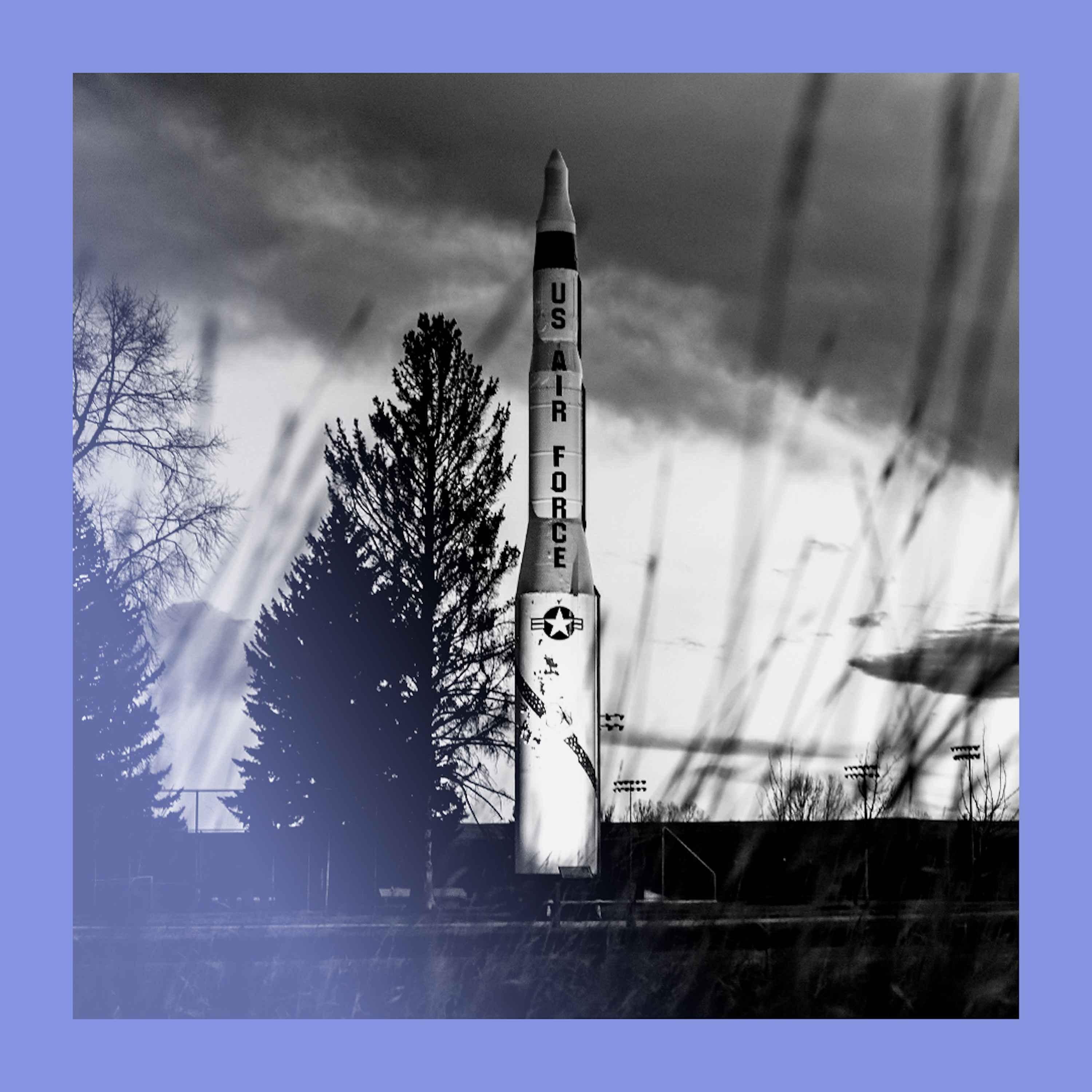
With the New START treaty gone and doubts about America's commitment to "extended deterrence," especially under Donald Trump, allies in Europe and Asia are debating acquiring their own nuclear weapons. This could lead to a dangerous proliferation free-for-all, increasing the risk of preemptive strikes.
Digital cults leverage social media algorithms to reinforce their followers' dependence. By constantly feeding members the same worldview, these algorithms create a powerful echo chamber. This digital immersion makes the group's perspective feel like the "normal world," deepening psychological manipulation and isolation.
Unlike China's historical "minimal deterrence" (surviving a first strike to retaliate), the US and Russia operate on "damage limitation"—using nukes to destroy the enemy's arsenal. This logic inherently drives a numbers game, fueling an arms race as each side seeks to counter the other's growing stockpile.
The psychological distress associated with hair loss is most acute during the transitional "balding" phase. The state of being bald is often more acceptable than the experience of actively losing hair. This suggests the anxiety is tied to the loss of control and visible change, not the outcome itself.