Get your free personalized podcast brief
We scan new podcasts and send you the top 5 insights daily.
By cutting a pragmatic deal to stay in power after Maduro's removal, Delcy Rodriguez demonstrated to other Latin American leaders that anyone can partner with Trump. Her success has established a new model: cooperate to gain benefits and avoid the high costs of defiance, shifting the strategic calculus for leaders across the region.

Related Insights
An expert assesses a 70-80% probability that Cuba will cut a deal with the Trump administration, similar to Venezuela's. Lacking a foreign patron like the USSR or Chavez-era Venezuela, the Cuban regime is motivated by economic desperation to make a pragmatic deal, trading alignment for relief from US sanctions to maintain power.
The Trump administration is depicted as ignoring Venezuela's legitimately elected opposition leader and instead choosing to work with the former vice president. This suggests a strategy prioritizing controllable stability with a regime figure over supporting a democratically elected but potentially less predictable leader.
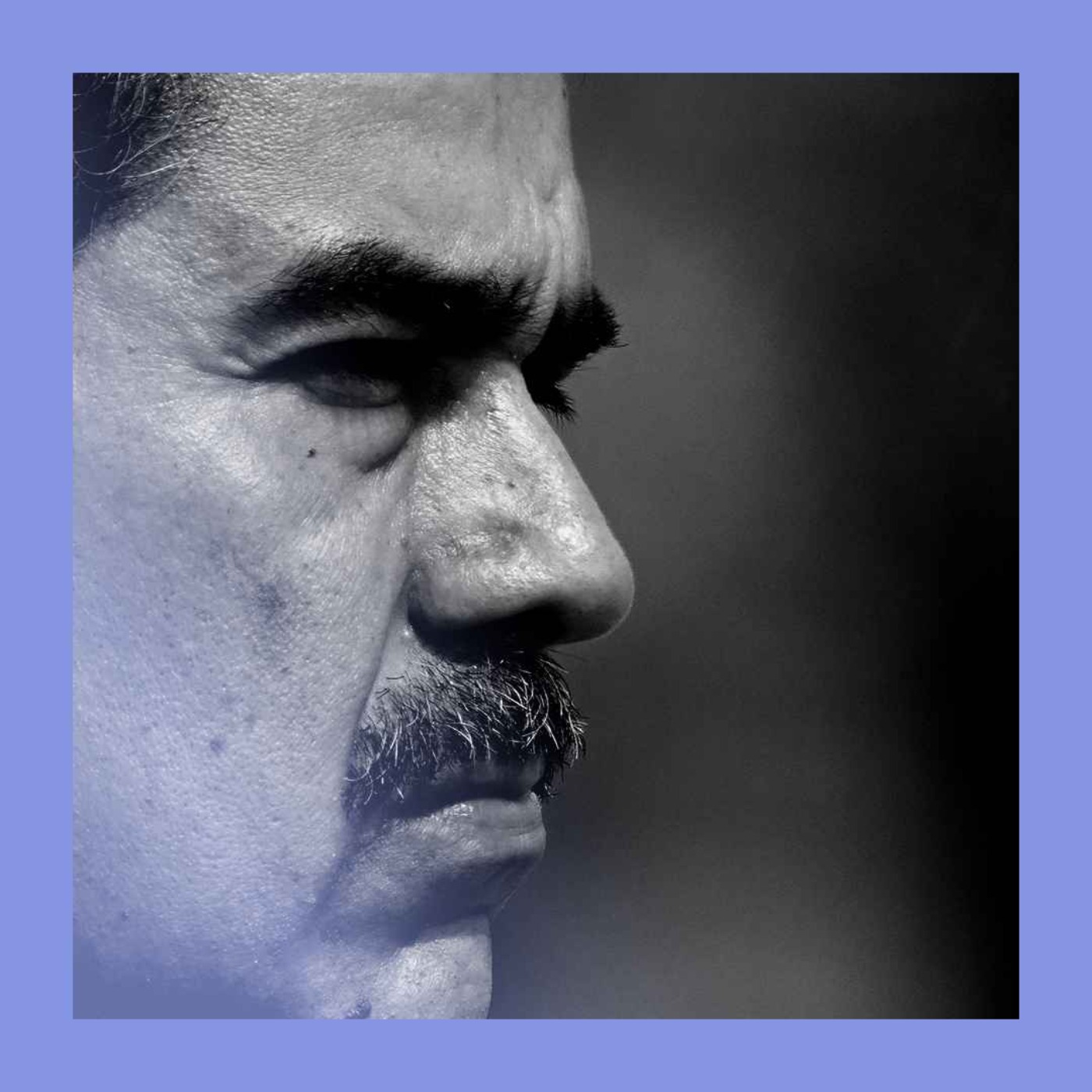
Venezuela's remaining leadership can adopt a strategy of "playing for time." By appearing cooperative while delaying substantive changes, they can wait for events like the US midterms to increase domestic political pressure on the administration, making sustained intervention unpopular and difficult to maintain. The weaker state's best defense is the superpower's internal clock.
While the Trump administration backs Delcy Rodriguez for perceived stability, polling shows Venezuelans overwhelmingly demand new elections within a year. This clash between the US focus on a managed transition and the populace's desire for immediate democracy creates a high-stakes environment where ignoring the public will could ironically lead to more instability.
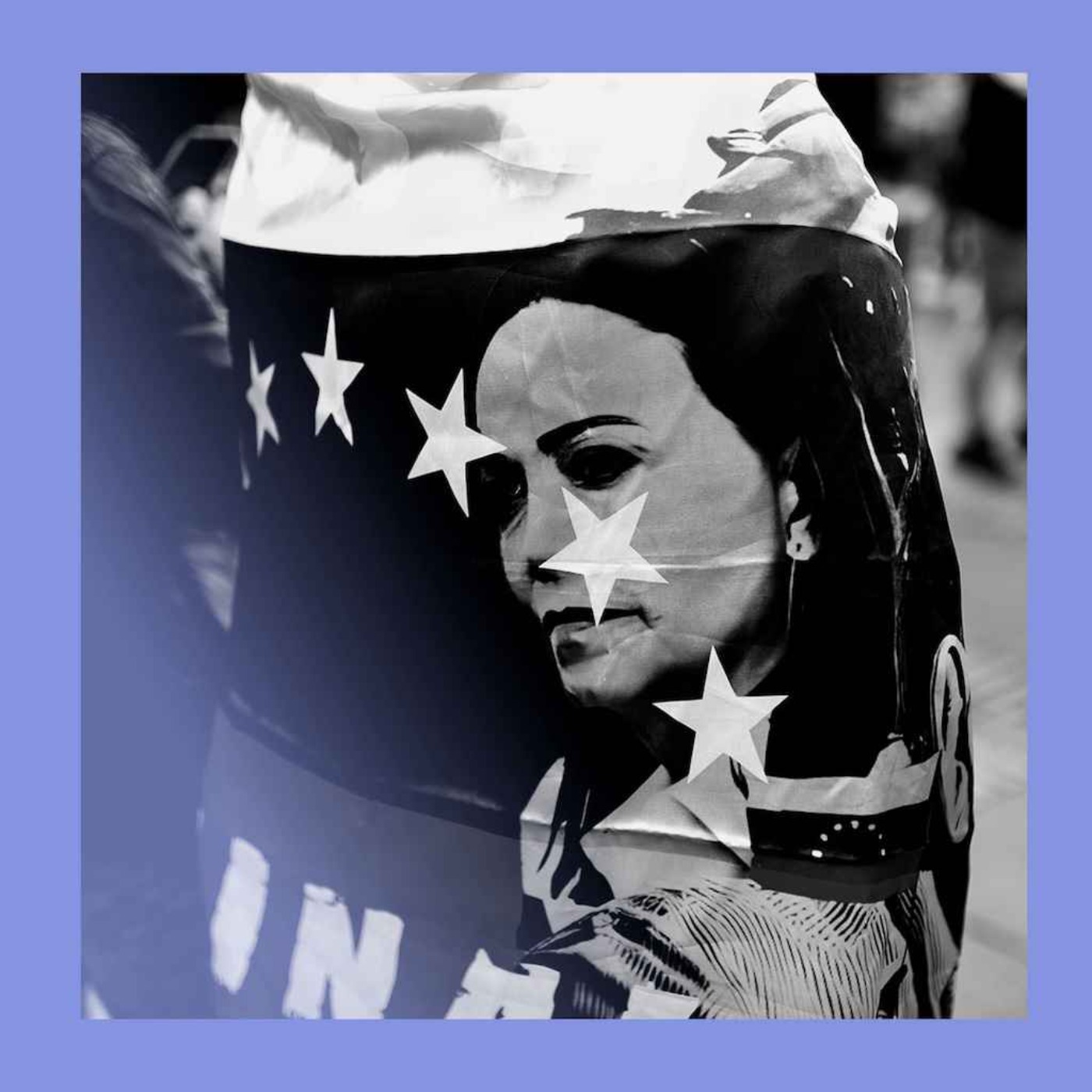
In post-Maduro Venezuela, American pressure is primarily focused on liberalizing the economy for foreign investment, especially in oil. While this has resulted in some political shifts, the overwhelming priority is economic access for American interests, demonstrating a pragmatic rather than purely ideological approach to nation-building.
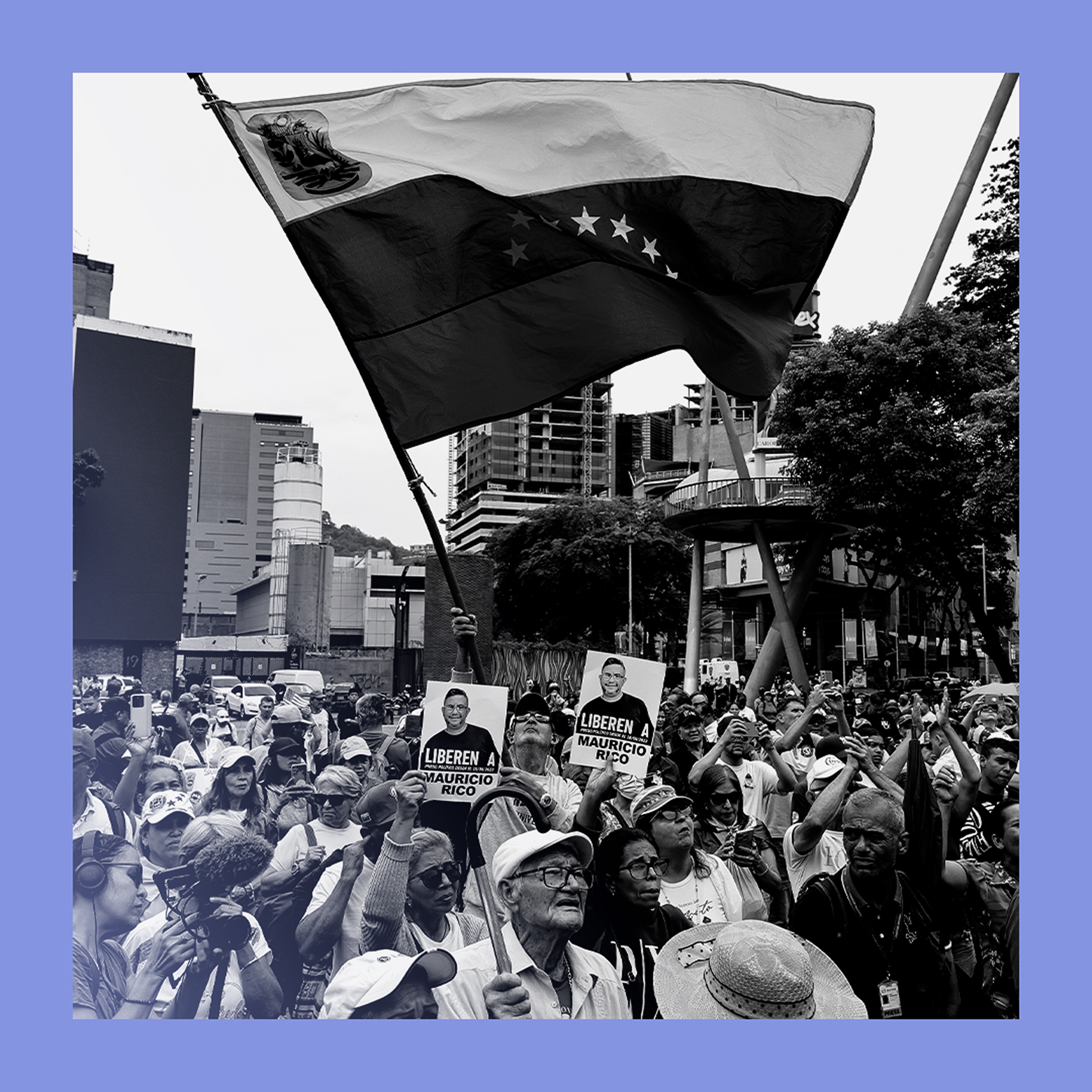
Instead of fearing Trump's unpredictability, foreign leaders can manipulate it. By appealing to his desire for a 'peace through strength' legacy and his need to showcase American power, a country like Mexico could secure significant military and economic aid by framing it as a clear win for him.

The US action to remove Maduro was not a traditional regime change. The goal was to eliminate the leader personally while leaving his party and government apparatus largely intact, suggesting a strategic choice to avoid the instability of a full power vacuum.
Interim President Delcy Rodriguez's authority stems from her unique ability to engage with international actors like the U.S., a skill her powerful military rivals lack. This makes her both indispensable and vulnerable within the regime.

Despite rhetoric supporting protesters in Iran and Venezuela, the Trump administration's actions suggest a preference for replacing existing leaders with more compliant strongmen. In Venezuela, this meant dealing with Maduro's VP, indicating a pragmatic focus on control and stability over messy, long-term nation-building.

A core element of Trump's worldview is the belief that global affairs can be managed through personal relationships and deals between powerful leaders, bypassing institutions. This 'great power condominium' approach explains his attempts to charm leaders like Putin and Xi, believing his personal diplomacy can resolve complex structural issues.