Get your free personalized podcast brief
We scan new podcasts and send you the top 5 insights daily.
An expert assesses a 70-80% probability that Cuba will cut a deal with the Trump administration, similar to Venezuela's. Lacking a foreign patron like the USSR or Chavez-era Venezuela, the Cuban regime is motivated by economic desperation to make a pragmatic deal, trading alignment for relief from US sanctions to maintain power.

Related Insights
The successful removal of Maduro is a significant failure for Cuban intelligence services, which have a long history of protecting allied regimes in Latin America. For decades, Cuba has 'punched above its weight,' providing a security shield to leaders like Maduro. This event raises questions about the decline of their once-feared capabilities.
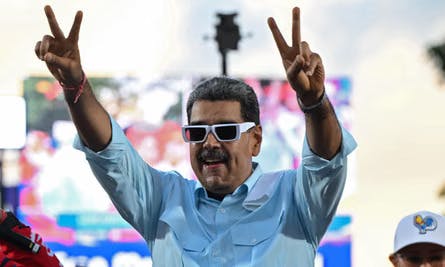
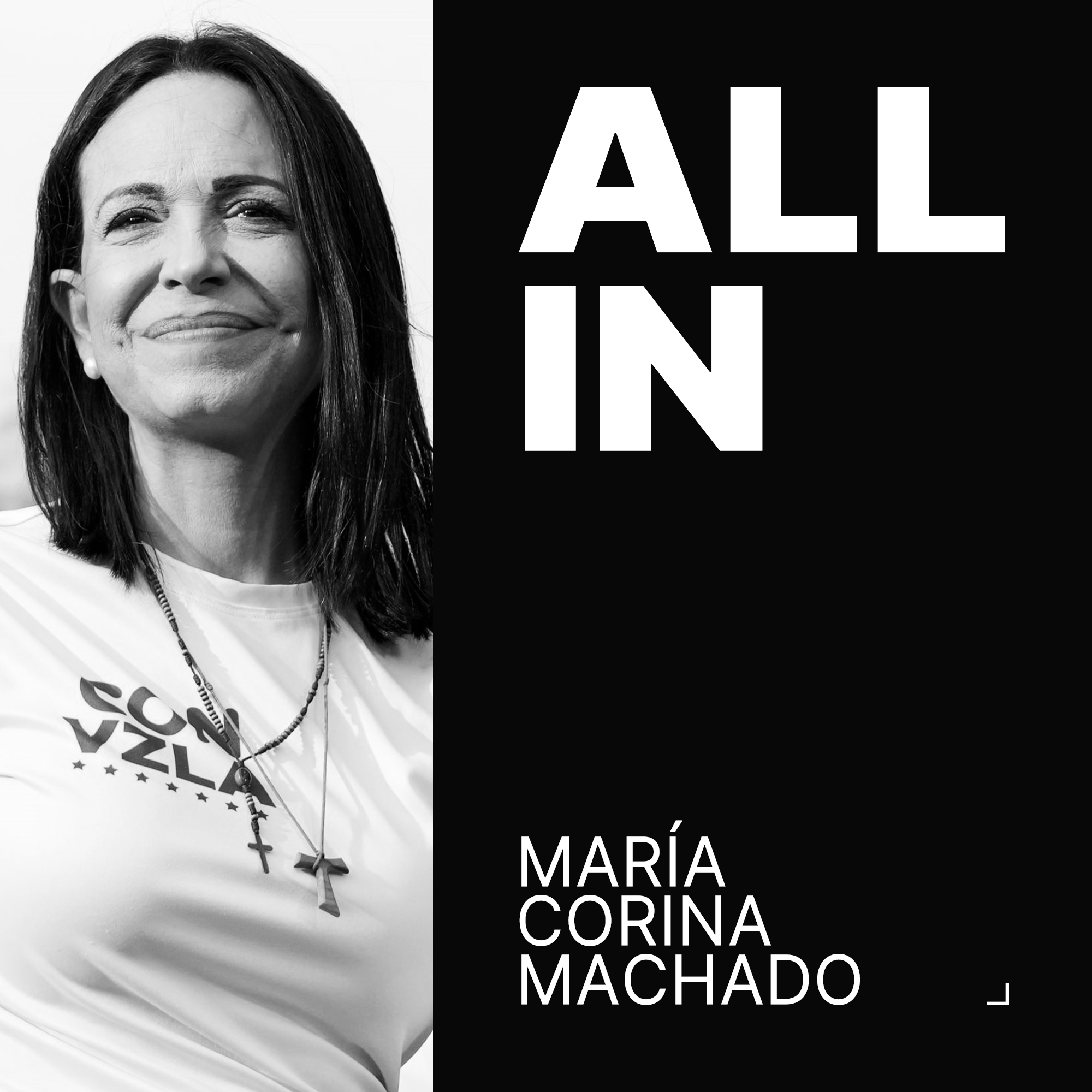
According to Maria Corina Machado, Nicolás Maduro's rise to power was not an internal decision but a direct choice by the Cuban government. Having been trained in Cuba and demonstrating total loyalty to the Castro regime, Maduro was selected to ensure Cuba's continued influence and control over Venezuela.
Despite facing extreme economic scarcity, crippling power outages, and decades of US pressure, the Cuban government's collapse is not imminent. Analysts warn against underestimating the regime's staying power, citing its highly disciplined organization and a core of revolutionaries who have defied predictions of their demise.
Venezuela's remaining leadership can adopt a strategy of "playing for time." By appearing cooperative while delaying substantive changes, they can wait for events like the US midterms to increase domestic political pressure on the administration, making sustained intervention unpopular and difficult to maintain. The weaker state's best defense is the superpower's internal clock.
A coalition of right-leaning Latin American leaders has aligned with Donald Trump, creating a regional political bloc. However, this "orange shift" is fundamentally tied to Trump's presidency and is expected to dissolve when he leaves office in January 2029, making it a temporary, personality-driven phenomenon rather than a durable ideological realignment.
Widespread emigration of young people, who are most likely to protest, has left Cuba with an aging population. This demographic shift naturally suppresses dissent and makes a popular uprising against the regime less likely, regardless of the severity of economic hardships.
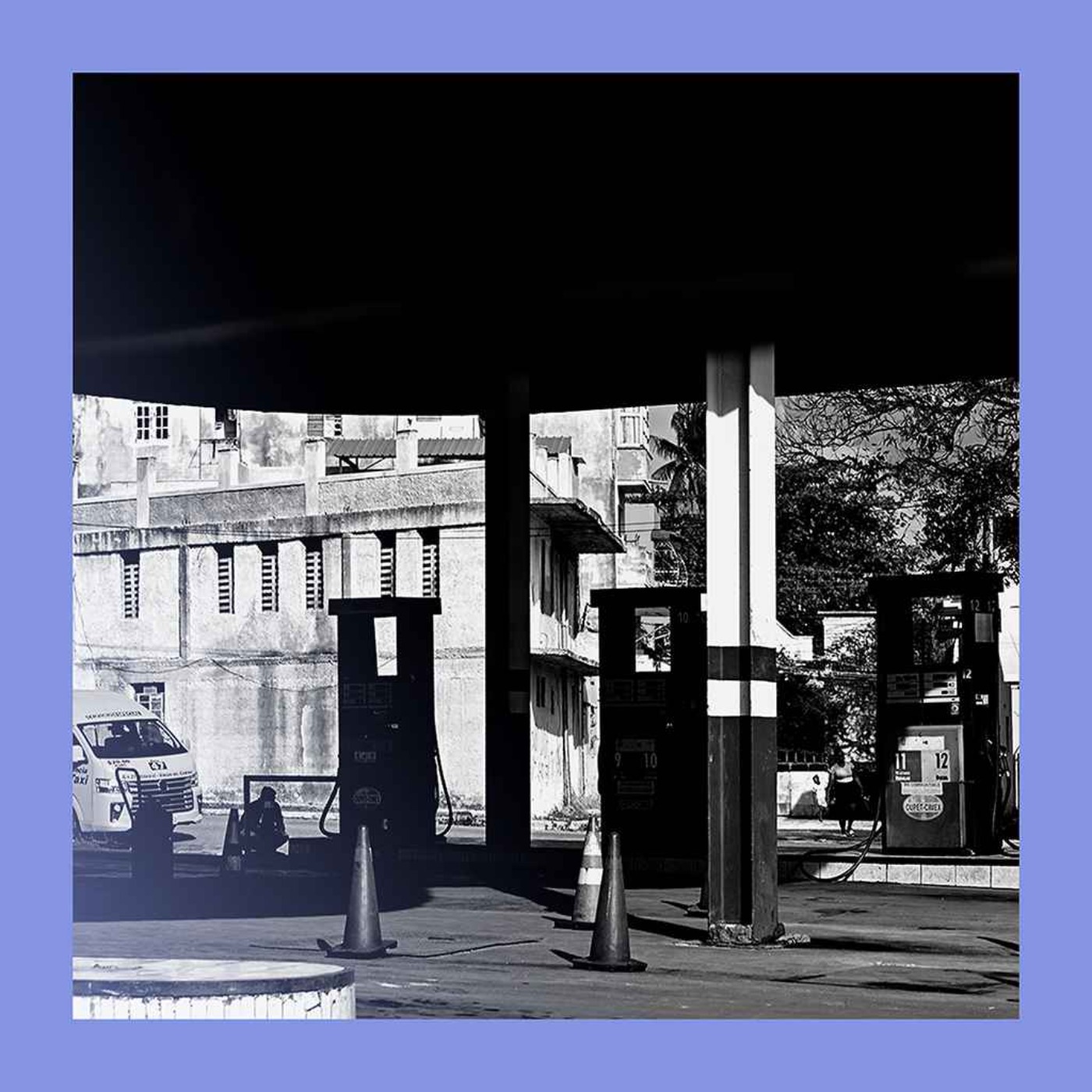
The US strategy in Cuba may not be to oust the Castro family entirely, but to replace the current president while leaving the core power structure and even Castro relatives intact. This mirrors the approach in Venezuela, suggesting a pragmatic rather than purely ideological goal.
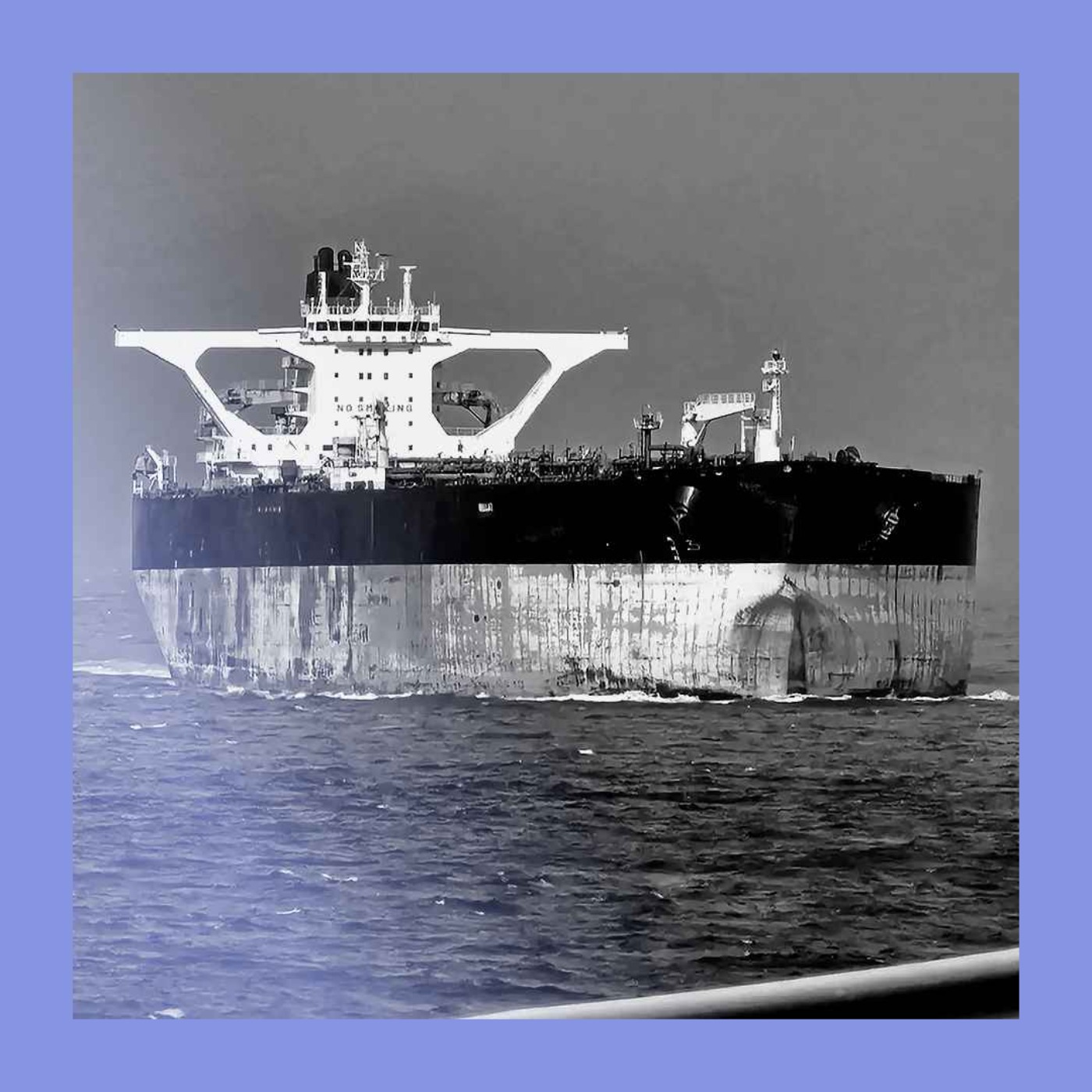
U.S. foreign policy actions against Venezuela and Iran are not primarily about democracy but are strategic moves to disrupt the flow of cheap, sanctioned oil to China. By controlling these sources, the U.S. can directly attack a key adversary's economic and military engine.
By crippling the Cuban government's ability to operate, US sanctions are forcing the regime to cede control of key sectors. For example, the state has had to hand off its monopoly on importing oil, allowing private businesses to import it for their own needs—an ironic push towards a free-market principle.
By cutting a pragmatic deal to stay in power after Maduro's removal, Delcy Rodriguez demonstrated to other Latin American leaders that anyone can partner with Trump. Her success has established a new model: cooperate to gain benefits and avoid the high costs of defiance, shifting the strategic calculus for leaders across the region.