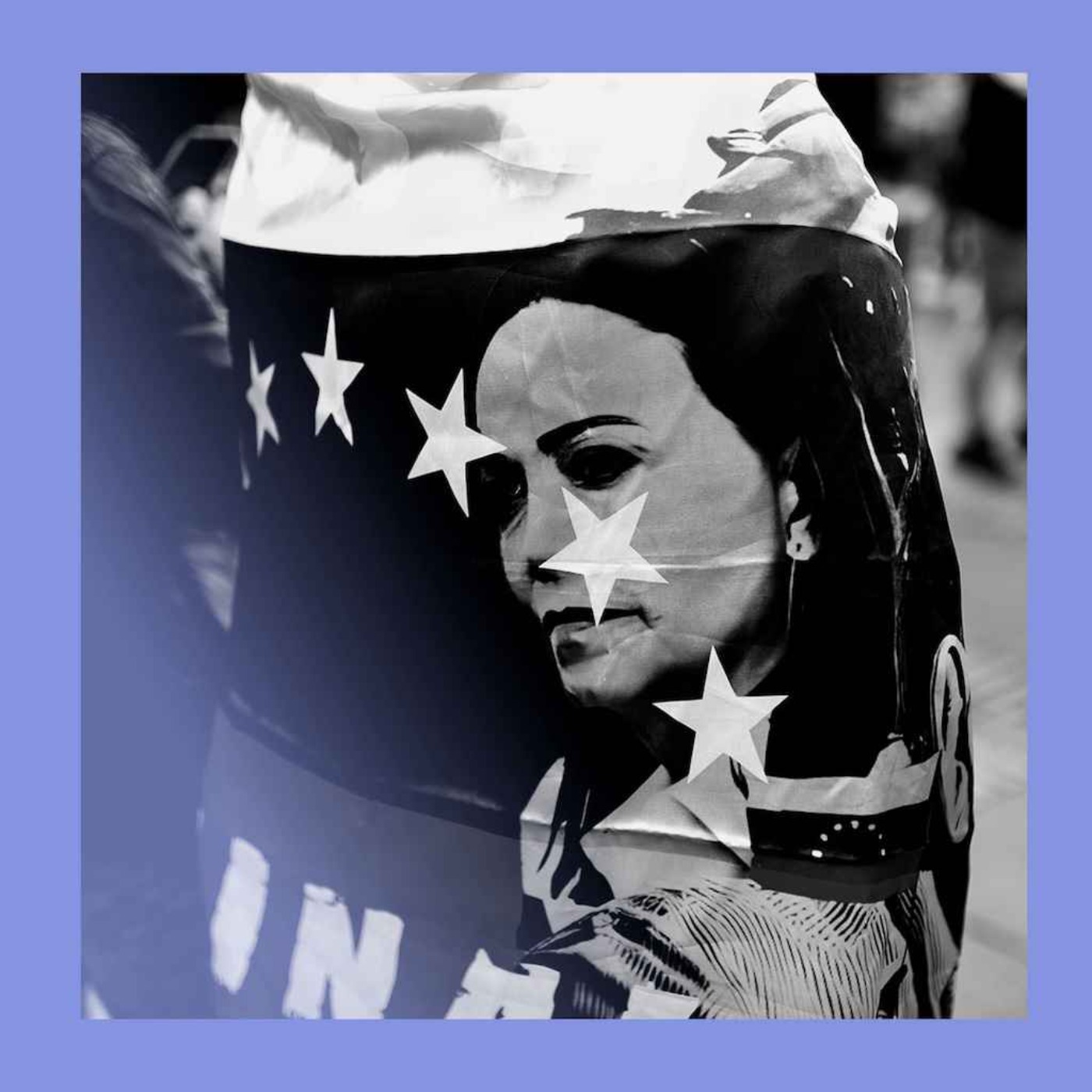
Polling reveals a paradox in Venezuela: high approval for the Trump administration coexists with overwhelming support for opposition leader Maria Corina Machado. This is in direct conflict with Trump's backing of Maduro's former VP, creating a tense dynamic where US policy is misaligned with the clear democratic will of the people.
Beyond sensational failures like inappropriate content, the more insidious risk of AI companions is their core design. An endlessly accommodating chatbot that never challenges a child could stunt the development of crucial social skills like negotiation, compromise, and resilience, which are learned through friction with other humans.
A Chinese government policy banning after-school human tutors, intended to reduce academic pressure, had an unintended consequence: it created a market vacuum filled by AI tutors. This regulatory action unintentionally accelerated a large-scale societal experiment in AI-driven education, far outpacing adoption in the West.
Mechanization made bagels a mainstream, mass-produced item, often leading to a lower-quality product. This widespread commoditization paradoxically opened a high-end niche. Consumers, familiar with the basic concept, became willing to pay a premium for superior, artisanal versions, fueling the rise of chains selling bagels for over $3 each.
While the Trump administration backs Delcy Rodriguez for perceived stability, polling shows Venezuelans overwhelmingly demand new elections within a year. This clash between the US focus on a managed transition and the populace's desire for immediate democracy creates a high-stakes environment where ignoring the public will could ironically lead to more instability.