As audience fatigue with superhero movies grows, Hollywood studios are increasingly turning to the video game industry for their next wave of reliable, high-grossing intellectual property. Films based on Minecraft, Super Mario Bros., and The Legend of Zelda signal a significant shift in where entertainment giants are sourcing their blockbuster content.
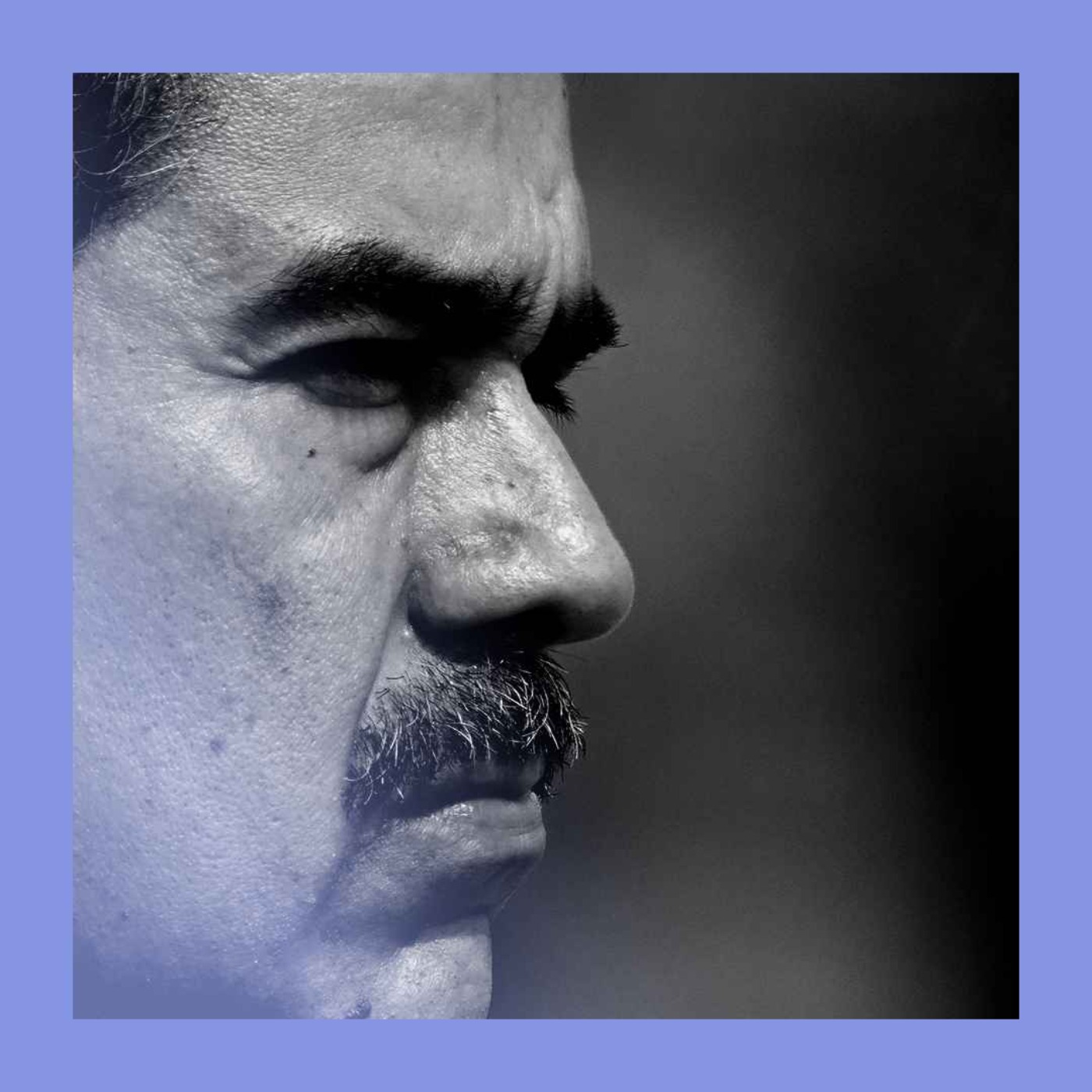
The raid on Maduro is presented as an opportunity for special forces units to demonstrate their value to an administration wary of large, troop-intensive occupations. This "surgical strike" model offers a politically palatable alternative to the costly nation-building efforts of the 2000s in Iraq and Afghanistan.
The Trump administration is depicted as ignoring Venezuela's legitimately elected opposition leader and instead choosing to work with the former vice president. This suggests a strategy prioritizing controllable stability with a regime figure over supporting a democratically elected but potentially less predictable leader.
The "absolutely clinical" US raid to capture Venezuela's president is lauded as a military success. However, historical precedents from Afghanistan in 2001 and Iraq in 2003 show that initial military prowess in toppling a regime is no guarantee of long-term strategic success, which depends on far more complex political factors.
Venezuela's remaining leadership can adopt a strategy of "playing for time." By appearing cooperative while delaying substantive changes, they can wait for events like the US midterms to increase domestic political pressure on the administration, making sustained intervention unpopular and difficult to maintain. The weaker state's best defense is the superpower's internal clock.
The standard $70 price for AAA games has remained static despite inflation. The highly anticipated launch of Grand Theft Auto 6 could be priced higher, giving other publishers the "cover" they need to raise their prices to $80 or more. This single product launch could effectively reset the market's price expectations.