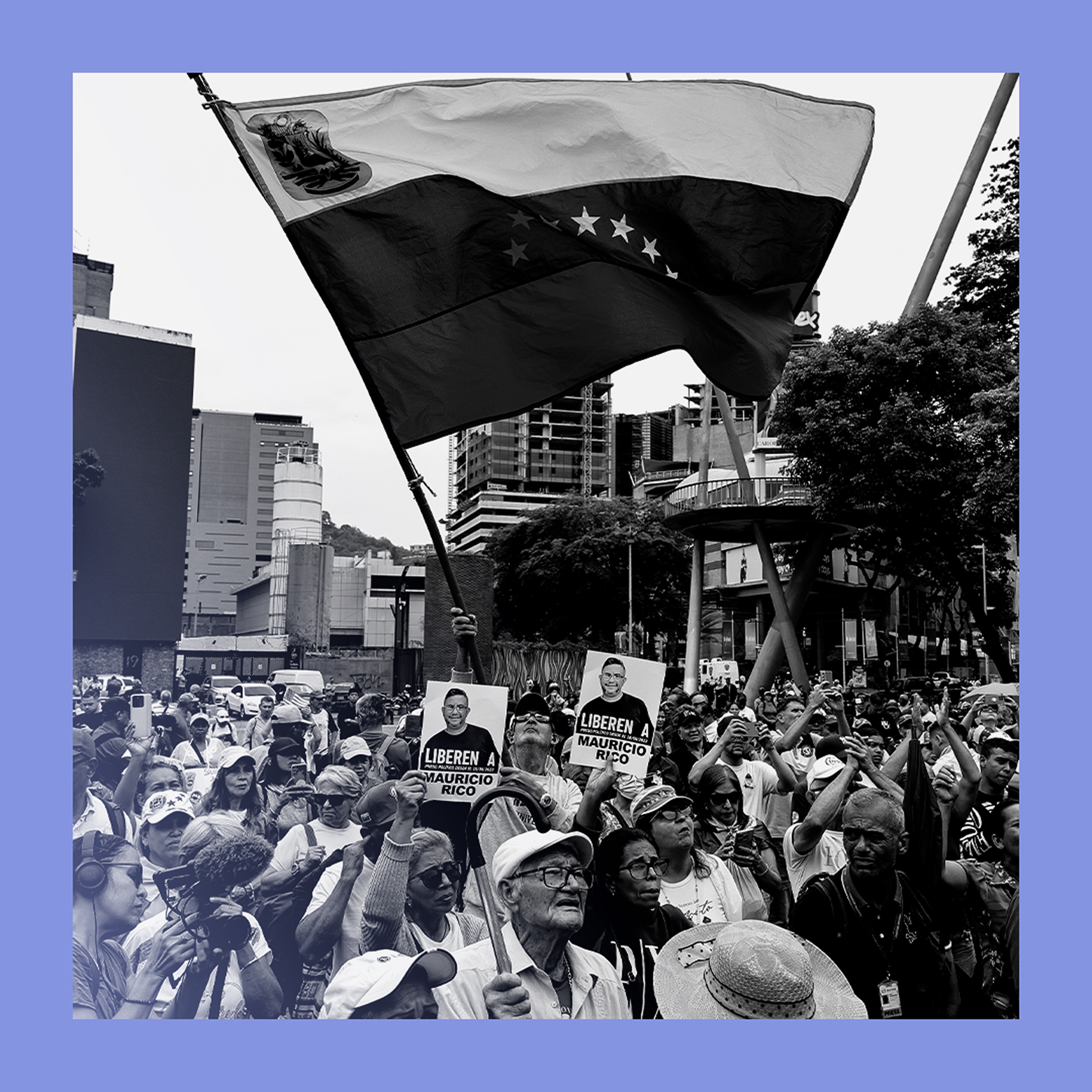
The US raid seizing Nicolás Maduro created a striking feeling of optimism and reduced fear in Venezuela. Citizens began attending opposition rallies openly, despite Maduro's deputy and the broader Chavismo movement remaining in power. This highlights the immense symbolic power of removing a dictator.
In post-Maduro Venezuela, American pressure is primarily focused on liberalizing the economy for foreign investment, especially in oil. While this has resulted in some political shifts, the overwhelming priority is economic access for American interests, demonstrating a pragmatic rather than purely ideological approach to nation-building.
Venezuela's transition showcases a dual reality. While citizens now feel free enough to hold mass protests and political rallies, the state continues to hold hundreds of political prisoners and subject released individuals to intense surveillance, like house arrest with 24/7 guards. Freedom is not monolithic.
Despite growing public demand for elections in Venezuela, the new leadership is playing for time by insisting on a 'big agreement' covering economic and social issues first. This positions economic stability as a prerequisite for democracy, creating a recipe for indefinite procrastination on ceding political power.
Rather than pleading for a vote, Venezuelan opposition leader Maria Machado argues that *postponing* elections is the riskier path for the country. She contends that delaying a vote could cause public impatience to spill over into non-civic channels, reframing elections as a necessary mechanism to ensure stability.
The widespread expectation for elections in Venezuela is not rooted in domestic institutional strength, but in faith in US political figures like Donald Trump and Marco Rubio to apply pressure. This reliance on external actors, combined with hope in a single leader, Maria Machado, creates a fragile foundation for a sustainable democratic transition.