Get your free personalized podcast brief
We scan new podcasts and send you the top 5 insights daily.
Instead of fearing Trump's unpredictability, foreign leaders can manipulate it. By appealing to his desire for a 'peace through strength' legacy and his need to showcase American power, a country like Mexico could secure significant military and economic aid by framing it as a clear win for him.

Related Insights
Under Trump, the primary tool for projecting U.S. power is shifting from economic instruments like tariffs to direct military, intelligence, and cyber capabilities. This "Donroe Doctrine" leverages America's asymmetrical advantages in these areas, especially in its hemisphere, to achieve foreign policy wins without relying on economic coercion.
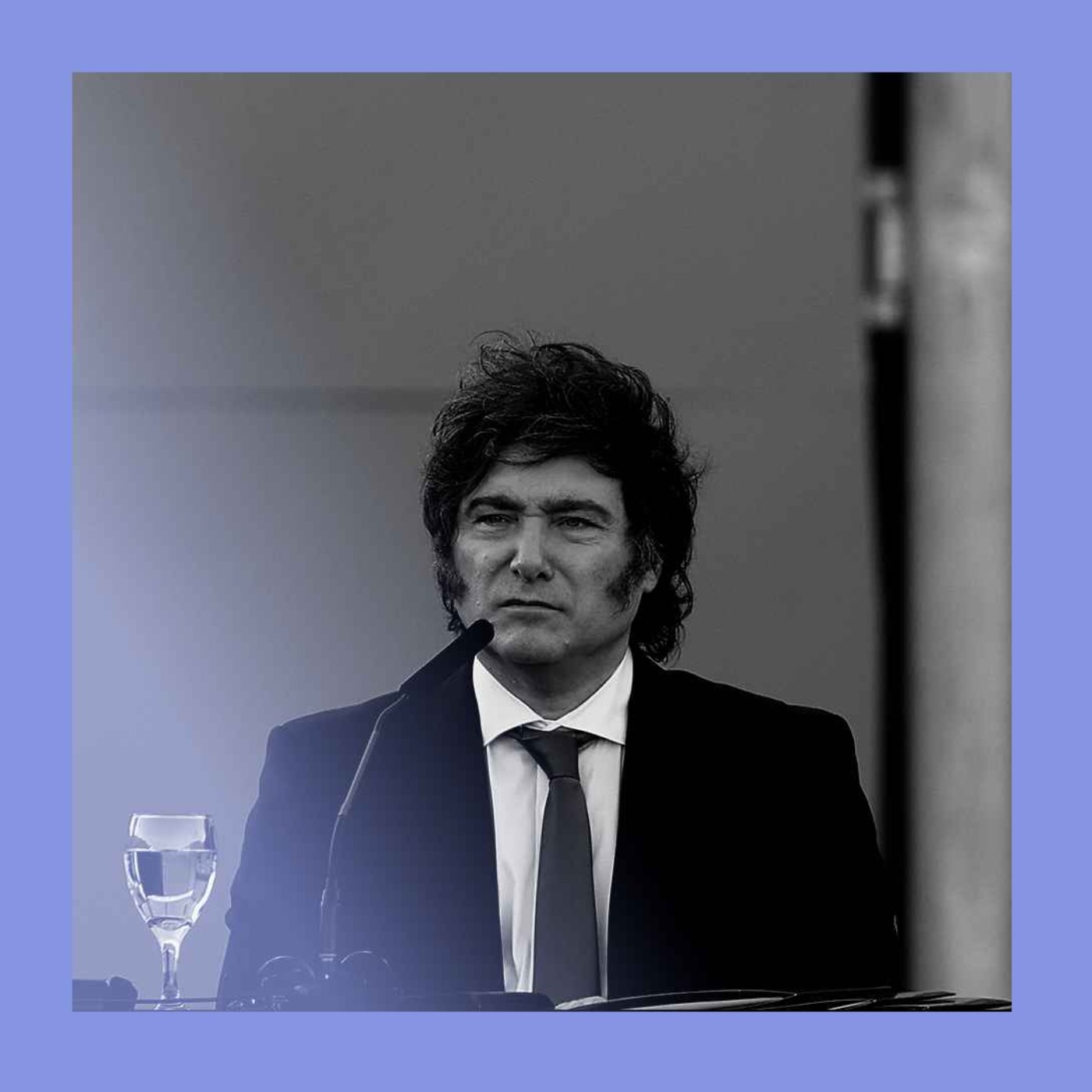
The US Treasury's intervention to stabilize the Argentine peso was likely motivated by President Trump's desire to support a key political ally, Javier Milei, rather than specific US economic interests like shale gas or IMF stability.
Trump's erratic approach isn't random; it's a strategy to create chaos and uncertainty. This keeps adversaries off-balance, allowing him to exploit openings that emerge, much like a disruptive CEO. He is comfortable with instability and uses it as a tool for negotiation and advantage.

By threatening to withdraw from NATO, Trump can force allies like Denmark into deals such as the one for Greenland. While this leverage is effective for immediate goals, his unpredictable tactics cause long-term damage to America's international reputation and perceived stability.

The meeting between Donald Trump and Zoran Mamdani is analyzed not as a simple photo-op, but as a masterful, mutually beneficial political move. It allowed both to appear statesmanlike and gracious, transcending partisan lines to appeal to a broader audience. It demonstrates how surprising collaborations can be a powerful strategy for shaping public perception.

Trump's 'hokey pokey' with tariffs and threats isn't indecisiveness but a consistent strategy: make an agreement, threaten a severe and immediate penalty for breaking it, and actually follow through. This makes his threats credible and functions as a powerful deterrent that administrations lacking his perceived volatility cannot replicate.

Trump's negotiation strategy, particularly with Iran, involves a massive, visible military presence to create extreme pressure. This 'peace through strength' approach aims to force concessions at the negotiating table by making the alternative—imminent, overwhelming force—undeniably clear and credible.
Leaked communications reveal a conscious strategy to manipulate Donald Trump in negotiations. By advising Russian counterparts to begin calls by praising Trump's past deals, negotiators like Witkoff leverage his psychological vulnerabilities to steer conversations toward a favorable outcome.

The administration's approach is not simple isolationism. While demanding a dominant sphere of influence in the Western Hemisphere, Trump also maintains the desire for unhindered freedom of action globally, such as mediating conflicts far from US shores. This creates a hybrid policy of 'dominance at home and freedom to roam abroad.'

Contrary to the isolationist interpretation, "America First" under Trump is a doctrine of pragmatic, and often aggressive, foreign intervention. It justifies actions like controlling another country's resources if they are deemed critical to American national security or economic stability.
