Get your free personalized podcast brief
We scan new podcasts and send you the top 5 insights daily.
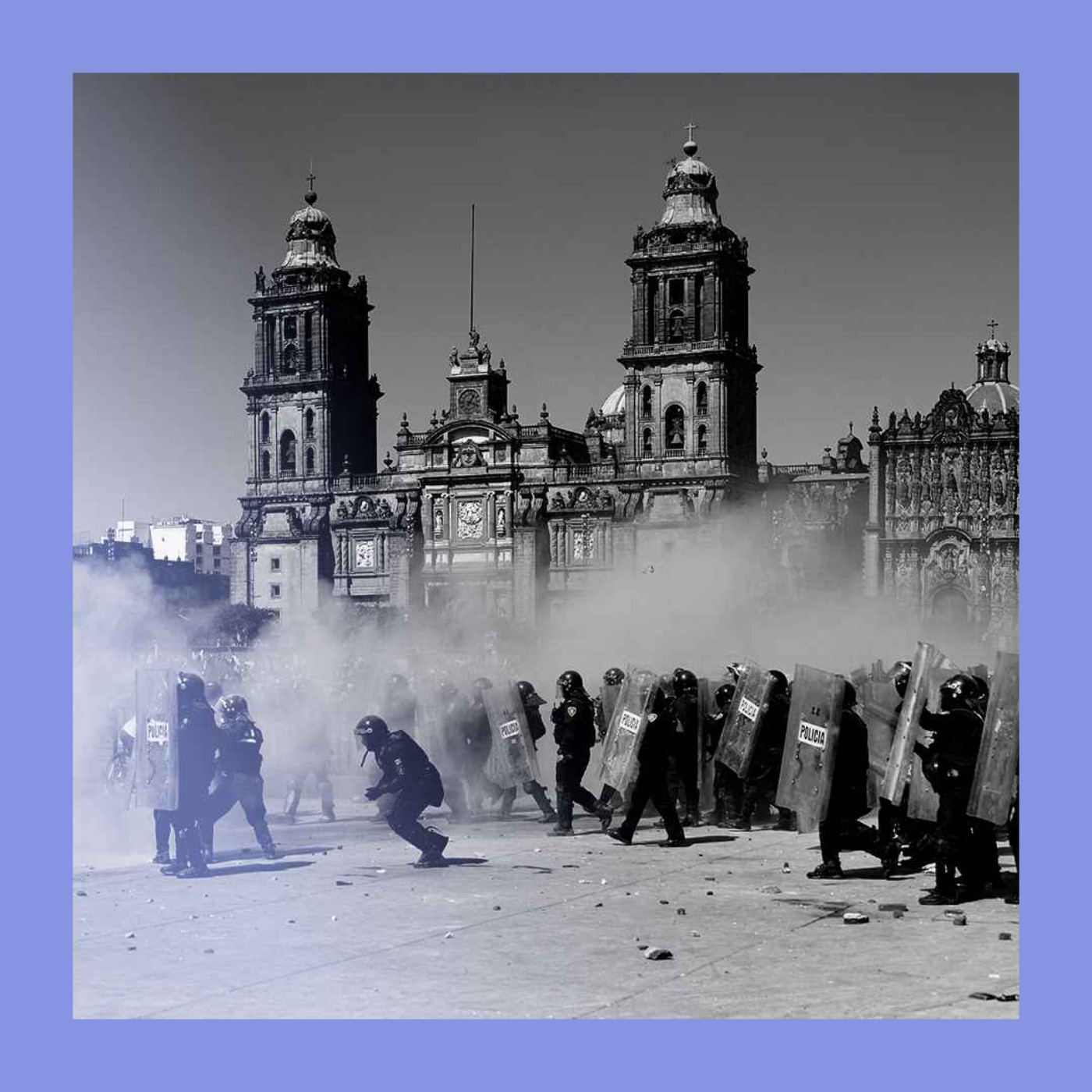
President Claudia Scheinbaum's hesitant response to cartel violence is framed not as weakness, but as a calculated political gamble. She may believe letting the violence 'blow over' is less risky than an all-out war that could threaten her family and destabilize her government.

Related Insights
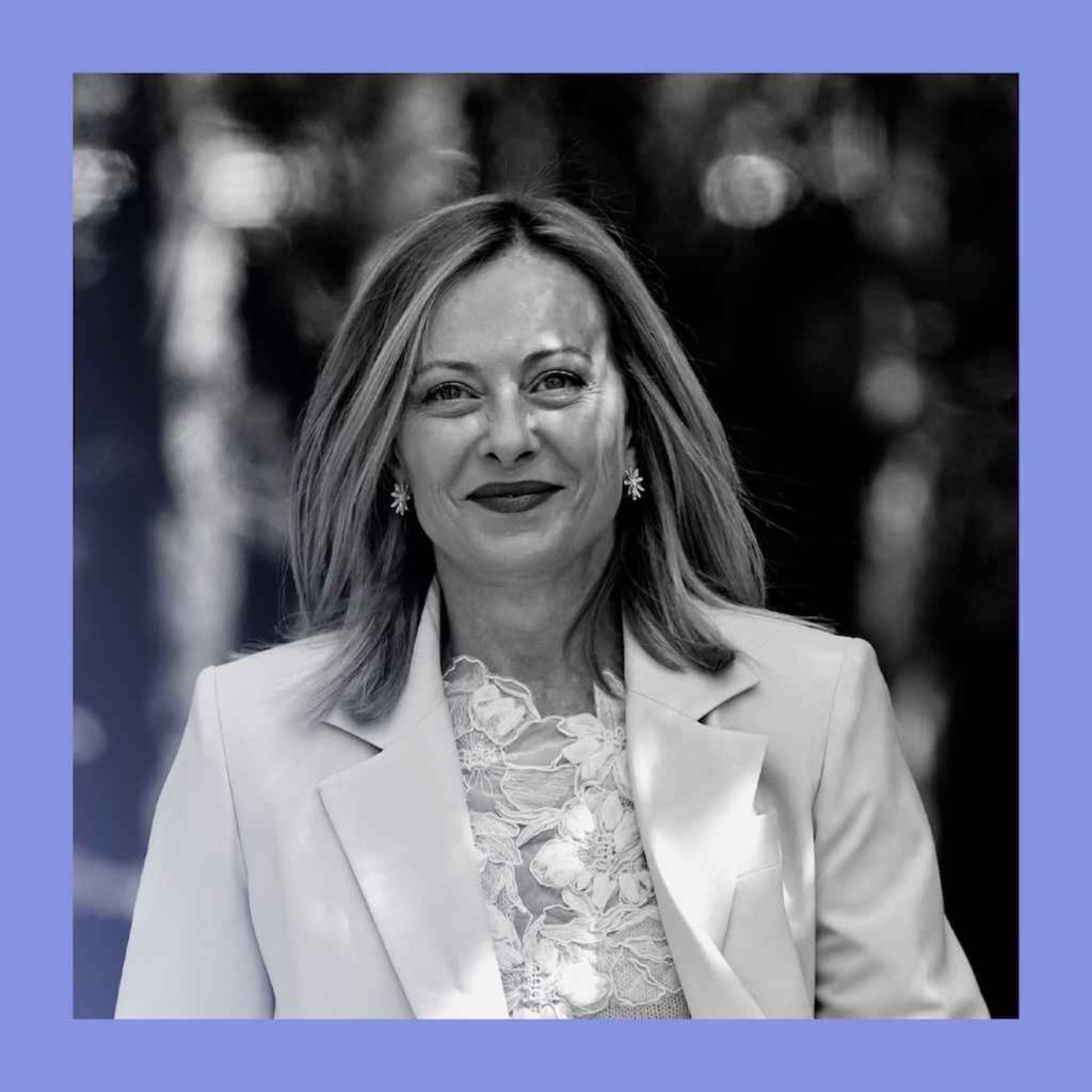
Contrary to expectations of radical change, Giorgia Meloni has maintained stability by avoiding major actions that could upset the public or her coalition. This calculated lack of activity is a key reason for her government's endurance in a typically volatile political landscape.
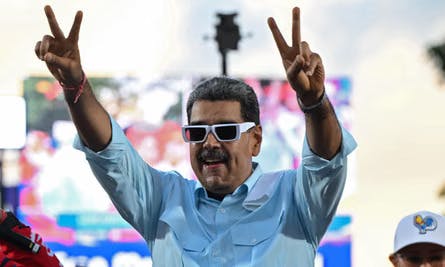
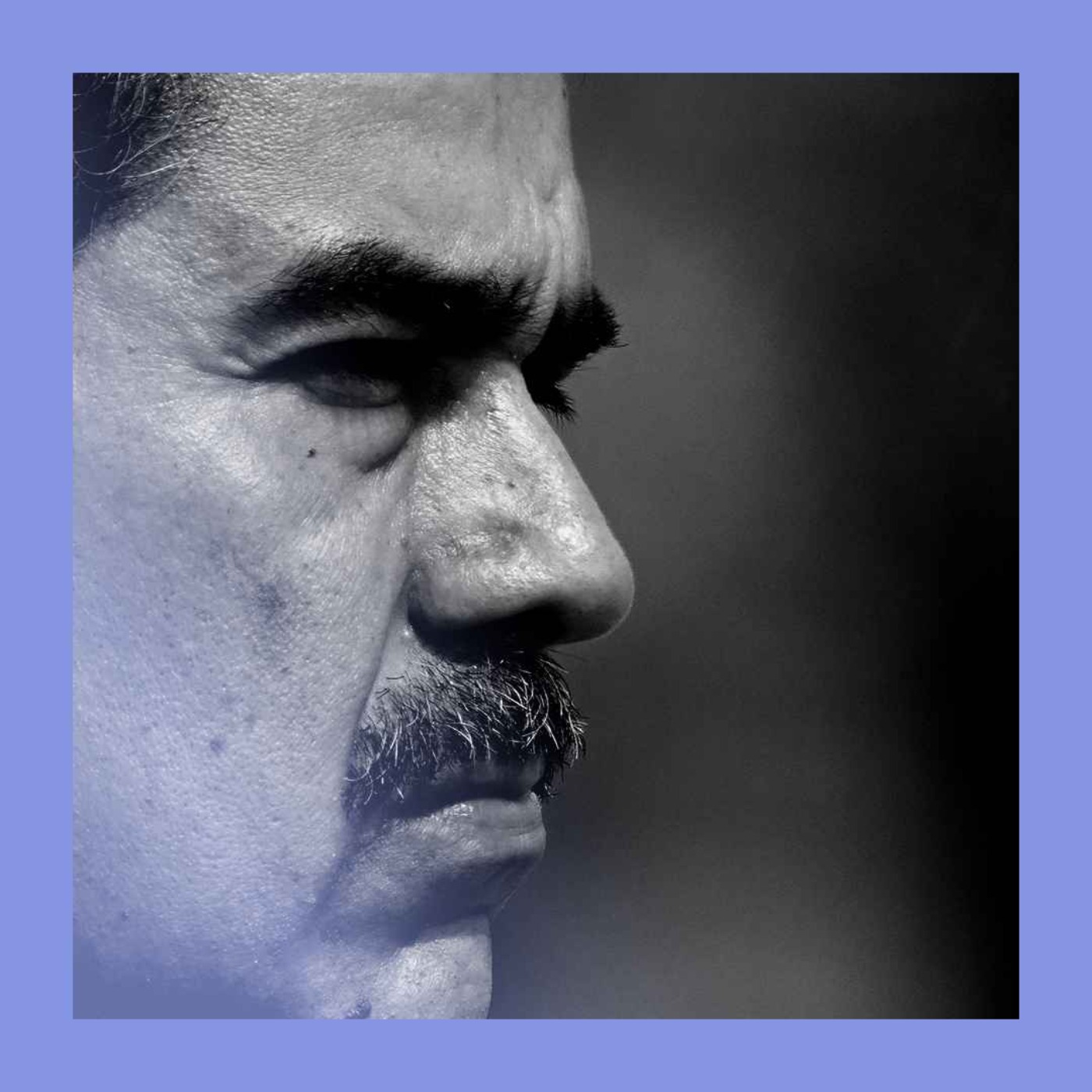
Authoritarian leaders who publicly mock or dismiss threats risk triggering a military response driven by personal pride. Venezuelan President Maduro's televised dancing was reportedly perceived by the Trump administration as calling their bluff, demonstrating how avoiding the appearance of being a 'chump' can become a primary motivator for military action.
President Sheinbaum's early success in reducing crime stems from appointing Omar Hafush, a data-driven former police officer, as security minister. Unlike his political predecessors, Hafush uses data, coordinates intelligence, and leverages financial crime units to target cartels more effectively, demonstrating the power of expert leadership.
Contrary to his hawkish reputation, Benjamin Netanyahu is deliberately lowering Israel's profile regarding Iran's internal protests. This strategic silence aims to prevent the embattled Iranian regime from feeling cornered and launching a preemptive attack out of paranoia.

Venezuela's remaining leadership can adopt a strategy of "playing for time." By appearing cooperative while delaying substantive changes, they can wait for events like the US midterms to increase domestic political pressure on the administration, making sustained intervention unpopular and difficult to maintain. The weaker state's best defense is the superpower's internal clock.
The successful crackdown on the relatively business-minded Sinaloa cartel created a power vacuum. This void was filled by the more brutal Jalisco New Generation Cartel, which uses extreme violence as its primary business model. This inadvertently worsened the security situation by replacing a predictable actor with a chaotic one.

Mexico's progress against crime is highly localized. While states like Zacatecas see murder rates fall steeply due to methodical police reform, others like Sinaloa remain nightmarish 'war zones' controlled by cartels. This demonstrates that national-level policies do not produce uniform results on the ground.
Tylenol faced a crisis when political figures linked their product to autism. Instead of a major response, they issued a short press release and waited, correctly assuming the news cycle would move on. This "do nothing" approach, borrowed from military strategy, can be a valid option.

The nature of cartel violence in Mexico has shifted from traditional drug wars to battles for local economic power. Cartels are deeply integrated into the economy and government, competing for diversified revenue streams like fuel theft, extortion, and control over local supply chains.

Instead of fearing Trump's unpredictability, foreign leaders can manipulate it. By appealing to his desire for a 'peace through strength' legacy and his need to showcase American power, a country like Mexico could secure significant military and economic aid by framing it as a clear win for him.