Get your free personalized podcast brief
We scan new podcasts and send you the top 5 insights daily.
Contrary to his hawkish reputation, Benjamin Netanyahu is deliberately lowering Israel's profile regarding Iran's internal protests. This strategic silence aims to prevent the embattled Iranian regime from feeling cornered and launching a preemptive attack out of paranoia.

Related Insights
The US raid to capture Venezuela's president has sparked talk within Iran's elite about a similar "solution": removing Supreme Leader Khamenei to appease protestors and preserve the system, rather than allowing it to collapse entirely under external and internal pressure.
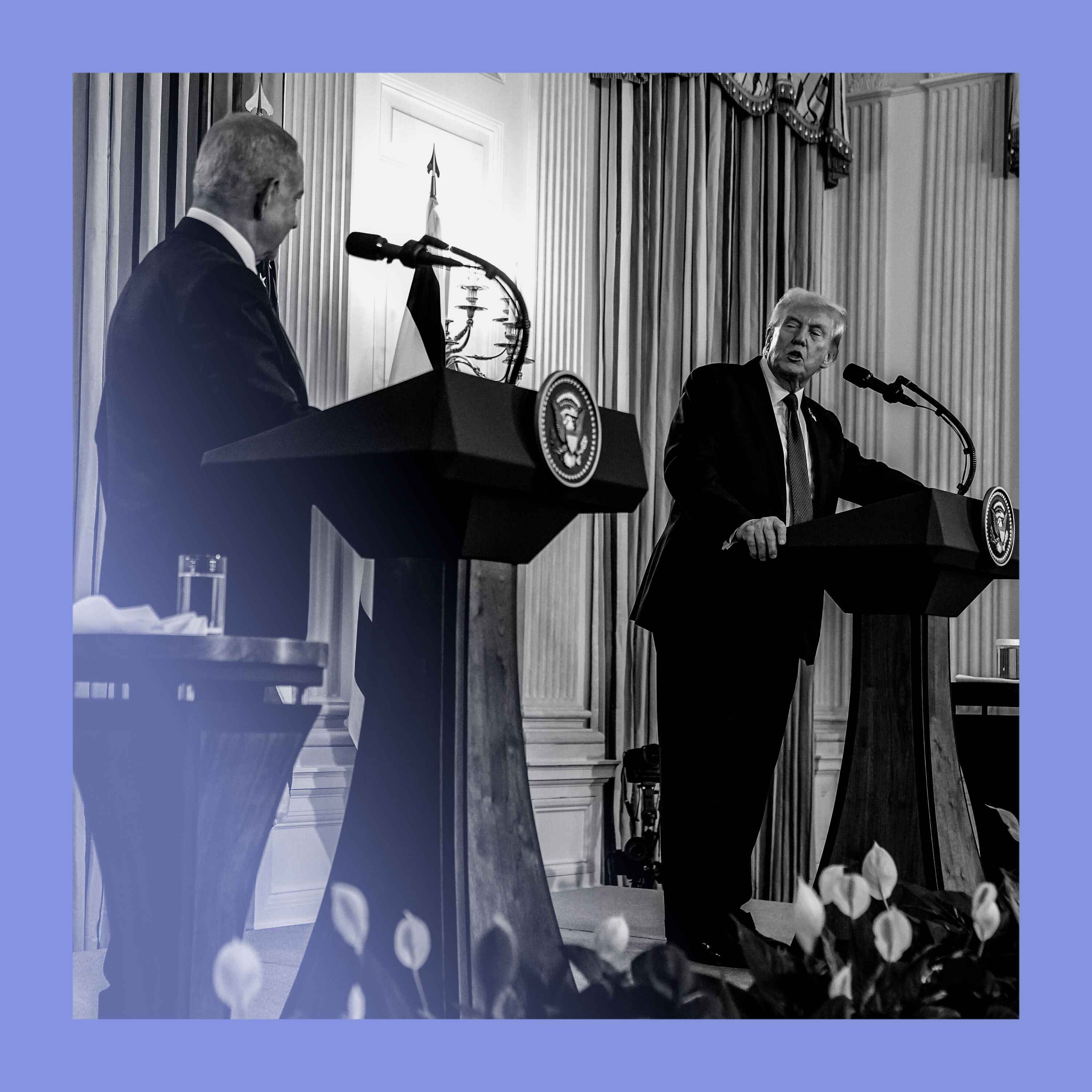
The peace deal materialized only after President Trump became personally and seriously invested. His direct pressure on Prime Minister Netanyahu was the critical factor in shifting Israel's position, suggesting that previous, less forceful American approaches missed opportunities to end the conflict sooner.

Claiming you will only 'turn down the temperature' after your opponents do is not a strategy for de-escalation; it is a justification for retaliation. This 'counter-punching' approach ensures conflict continues. A genuine desire to reduce societal tension requires leading by example, not waiting for the other side to act first.
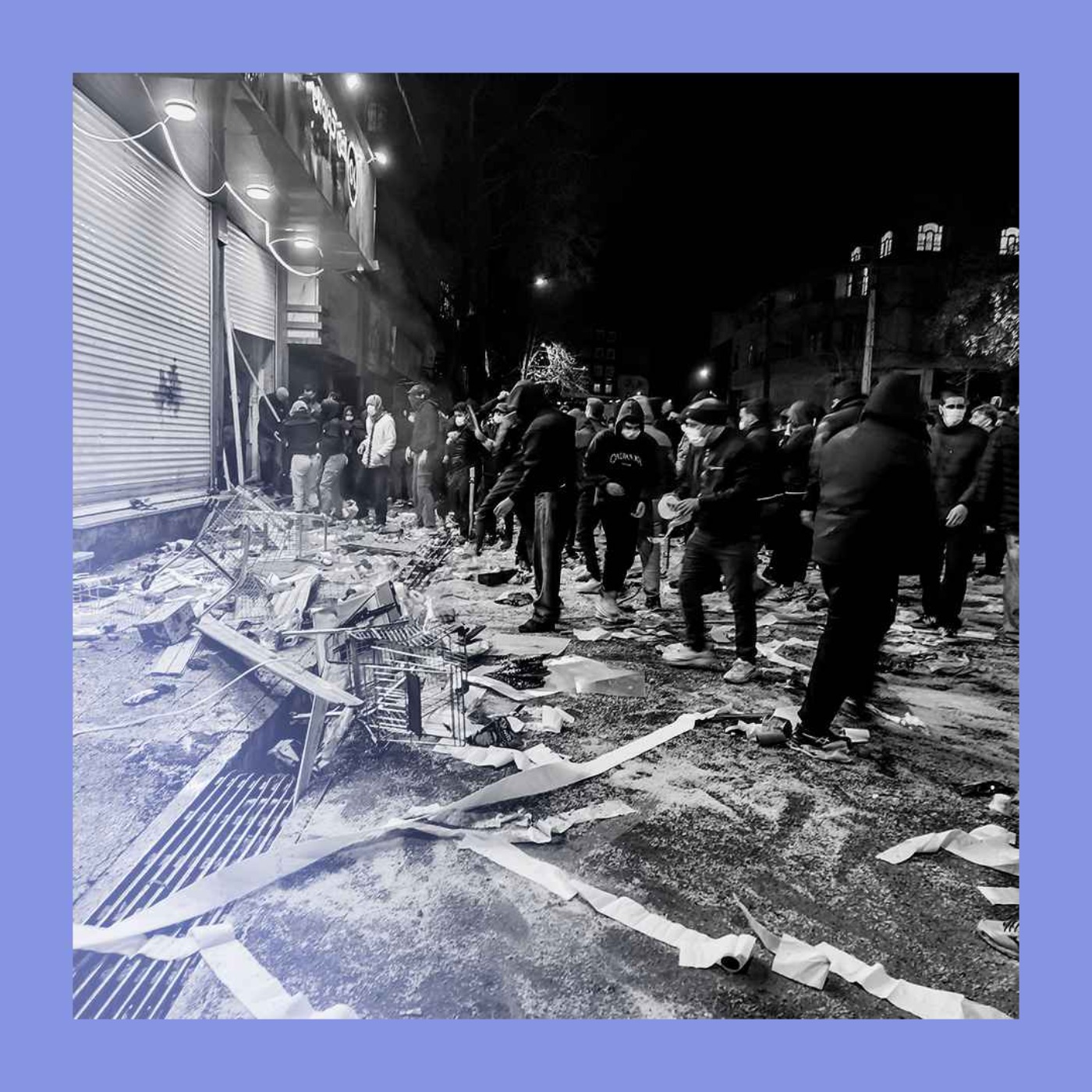
A destabilized Iranian regime is more dangerous, not less. Israeli intelligence fears Tehran might launch a strike on a foreign enemy like Israel to distract its populace, create a "rally 'round the flag" effect, and restore military pride after recent setbacks.
Beyond the immediate conflict, Israeli strategists see a long-term opportunity. If the current regime falls, they hope to restore the strong alliance that existed with non-Arab Iran before the 1979 Islamic Revolution, which was based on shared regional interests.
Israeli PM Netanyahu's acceptance of the peace plan is a study in contradiction. While publicly endorsing the deal, he immediately rejected a key component: a role for the Palestinian Authority in post-war Gaza. This tactic creates 'wiggle room' and signals a lack of genuine buy-in, challenging the deal's future.
Israel's traditional public relations approach, which defaults to demonstrating military strength and dismissing criticism, is becoming counterproductive. It fails to build alliances and win the global "PR battle," which is as crucial for long-term survival as military victory.
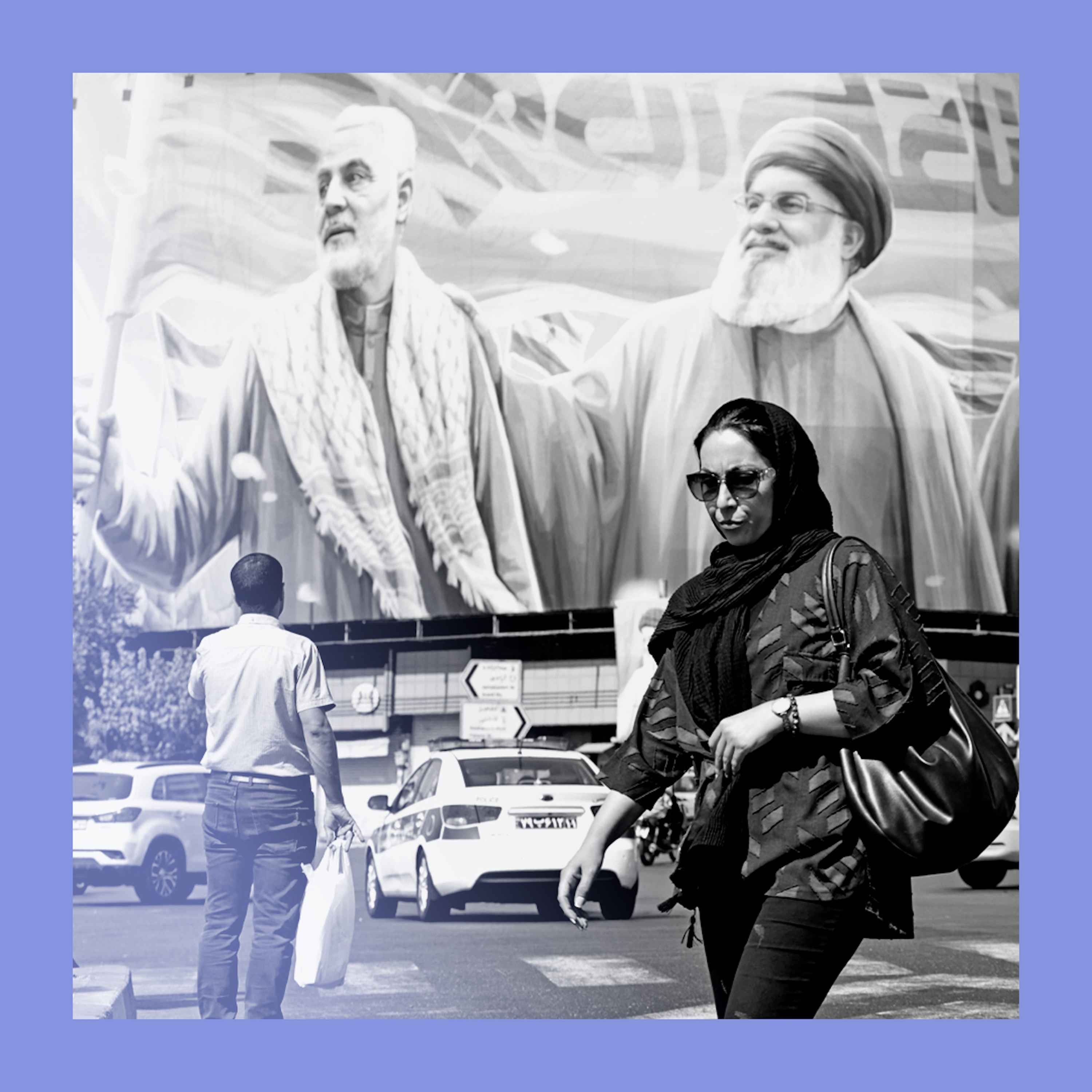
The current Iranian protests are uniquely potent because the regime is at its weakest geopolitically. The loss of regional proxies like Hezbollah and Hamas, coupled with key ally Russia's preoccupation with Ukraine, has left the Iranian government more isolated and vulnerable than during any previous wave of unrest.

Despite widespread internal protests and instability, history shows that an external attack is one of the few things that can unify the Iranian population. A potential Israeli strike, meant to weaken the regime, could backfire by creating a 'rally 'round the flag' effect that shores up support for the Ayatollah.

Facing severe economic pressure from sanctions and inflation, the Iranian government has relaxed enforcement of the hijab law. This is a calculated concession to appease the population and release social pressure, effectively trading social freedom for economic stability without ceding significant political power.