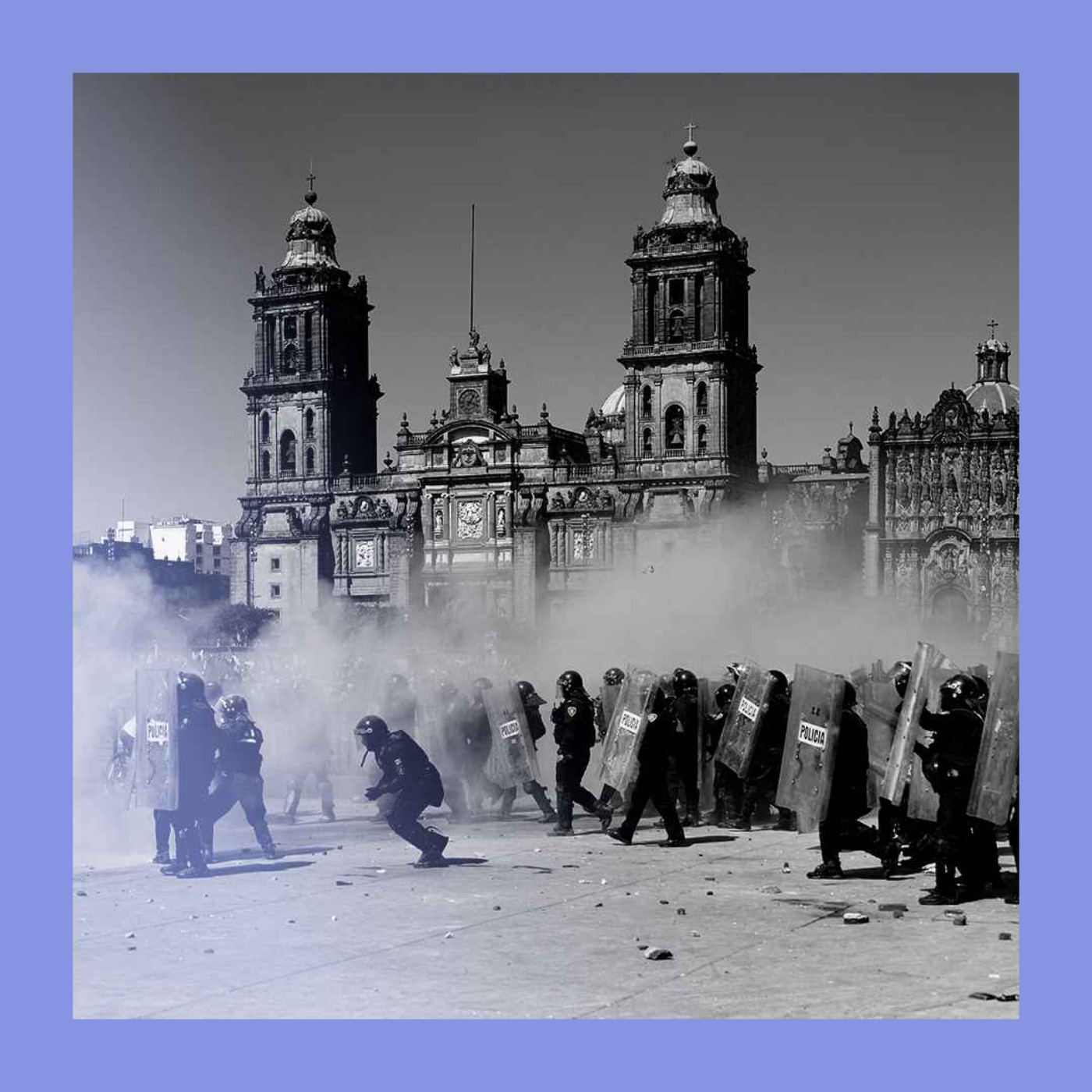
The Mexican government's headline statistic on falling murder rates is misleading. A more comprehensive analysis including 'disappeared' persons, femicides, and manslaughter reveals a much more modest, though still significant, decline. This highlights how official data can obscure the full reality of a security situation.
Mexico's progress against crime is highly localized. While states like Zacatecas see murder rates fall steeply due to methodical police reform, others like Sinaloa remain nightmarish 'war zones' controlled by cartels. This demonstrates that national-level policies do not produce uniform results on the ground.
Despite the assassination, the killer, Yamagami Tetsuya, has received public sympathy and donations. This stems from his tragic backstory involving the Unification Church and widespread public discomfort with Abe's right-leaning politics and ties to the group, exposing a dark undercurrent of alienation in Japanese society.
According to veteran bomb disposal officer Peter Gurney, having no fear is a fatal flaw in his high-stakes profession. He believed fear was an essential tool that forced respect for the device and heightened focus. Approaching a bomb required embracing that fear to maintain the discipline needed to survive.
The assassin of Abe Shinzo fits the profile of Japan's 'lost generation'—those in their 40s and 50s who faced economic collapse in the 90s. This has fueled attacks by socially alienated individuals who feel powerless and resort to violence, exposing a societal vulnerability despite Japan's low overall crime rate.
President Sheinbaum's early success in reducing crime stems from appointing Omar Hafush, a data-driven former police officer, as security minister. Unlike his political predecessors, Hafush uses data, coordinates intelligence, and leverages financial crime units to target cartels more effectively, demonstrating the power of expert leadership.