Get your free personalized podcast brief
We scan new podcasts and send you the top 5 insights daily.
The nature of cartel violence in Mexico has shifted from traditional drug wars to battles for local economic power. Cartels are deeply integrated into the economy and government, competing for diversified revenue streams like fuel theft, extortion, and control over local supply chains.

Related Insights
Political violence and extreme polarization are symptoms of deeper economic anxieties. When people feel economically insecure, they retreat into tribal identities and become susceptible to narratives of anger, which can escalate into violence.

Organized crime in Latin America is evolving as drug gangs diversify their portfolios into human trafficking. They repurpose existing infrastructure, such as corrupt official contacts and money laundering networks built for the cocaine trade, to run these new operations. This strategic shift has turned previously separate criminal networks into interconnected 'best friends.'
Instead of shipping finished cocaine, traffickers now export an intermediate product, "coca base," to Europe for final processing in local labs. This "narco nearshoring" strategy mirrors legitimate commodity export models, shifting risk and transforming Latin America into a raw material supplier for a European-finished product.
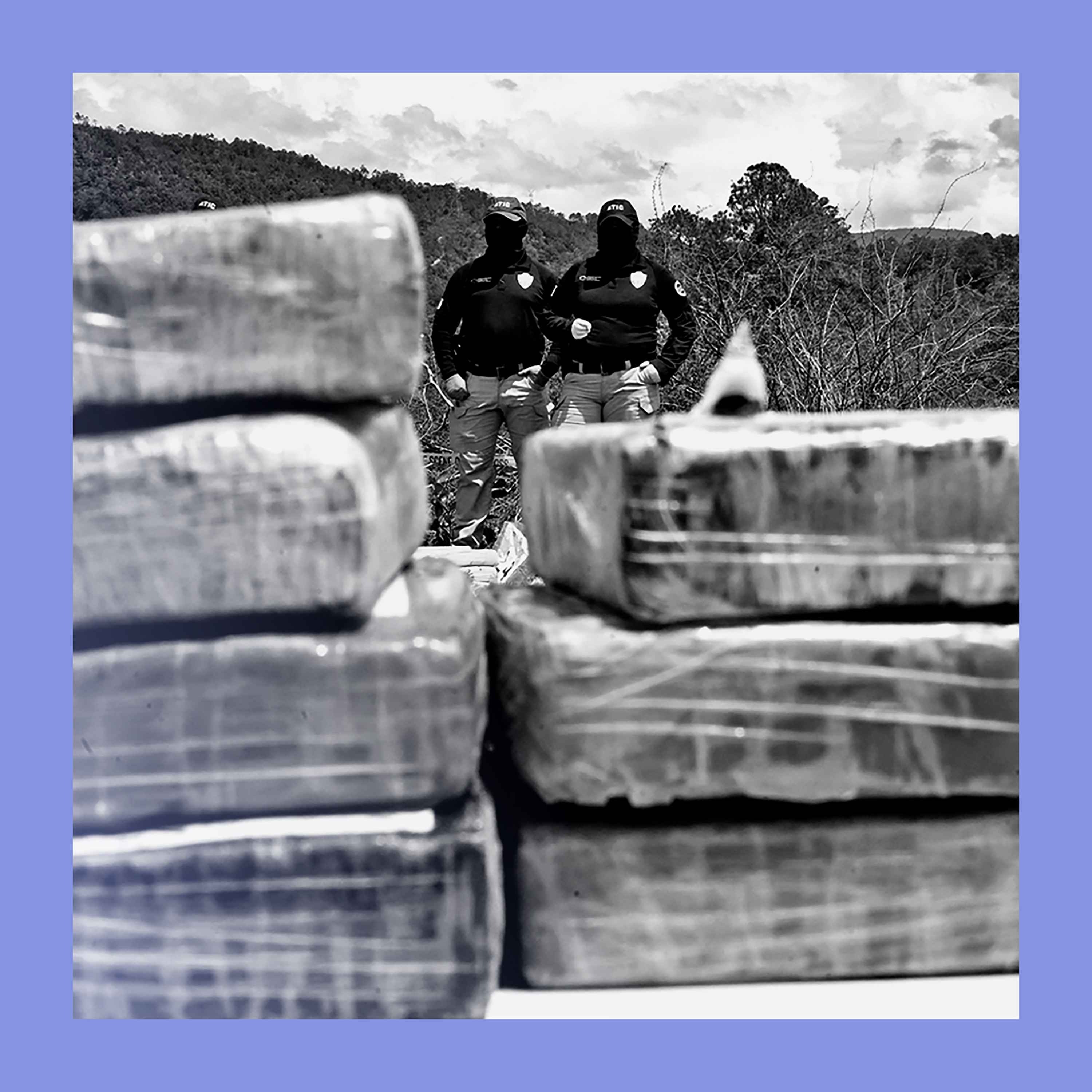
A novel form of organized crime involves gangs buying small, established freight forwarding businesses. They leverage the company's legitimate reputation to take possession of high-value shipping containers, steal the goods, and then promptly shut down the business and disappear, making the crime nearly untraceable.

The Mexican government's headline statistic on falling murder rates is misleading. A more comprehensive analysis including 'disappeared' persons, femicides, and manslaughter reveals a much more modest, though still significant, decline. This highlights how official data can obscure the full reality of a security situation.
President Sheinbaum's early success in reducing crime stems from appointing Omar Hafush, a data-driven former police officer, as security minister. Unlike his political predecessors, Hafush uses data, coordinates intelligence, and leverages financial crime units to target cartels more effectively, demonstrating the power of expert leadership.
The successful crackdown on the relatively business-minded Sinaloa cartel created a power vacuum. This void was filled by the more brutal Jalisco New Generation Cartel, which uses extreme violence as its primary business model. This inadvertently worsened the security situation by replacing a predictable actor with a chaotic one.

The actual business of a high-level drug enterprise is not just selling a product, but managing immense risk. Their competitive advantage—their "moat"—is the ability to navigate a system of extreme violence and legal peril, which requires a high level of entrepreneurial skill.

Mexico's progress against crime is highly localized. While states like Zacatecas see murder rates fall steeply due to methodical police reform, others like Sinaloa remain nightmarish 'war zones' controlled by cartels. This demonstrates that national-level policies do not produce uniform results on the ground.
Drug trafficking has shifted from vertically integrated cartels to a fluid network of specialized subcontractors. This model, similar to tech manufacturing, makes the supply chain more resilient to disruption and fosters innovation in cultivation, smuggling, and money laundering, making it harder for law enforcement to disrupt.