Get your free personalized podcast brief
We scan new podcasts and send you the top 5 insights daily.
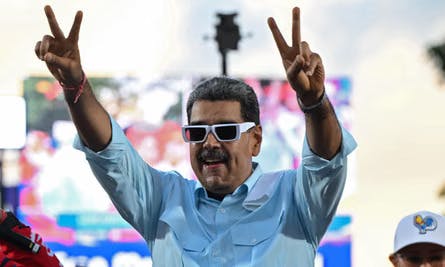
Authoritarian leaders who publicly mock or dismiss threats risk triggering a military response driven by personal pride. Venezuelan President Maduro's televised dancing was reportedly perceived by the Trump administration as calling their bluff, demonstrating how avoiding the appearance of being a 'chump' can become a primary motivator for military action.
Related Insights
Claiming you will only 'turn down the temperature' after your opponents do is not a strategy for de-escalation; it is a justification for retaliation. This 'counter-punching' approach ensures conflict continues. A genuine desire to reduce societal tension requires leading by example, not waiting for the other side to act first.
The raid on Maduro is presented as an opportunity for special forces units to demonstrate their value to an administration wary of large, troop-intensive occupations. This "surgical strike" model offers a politically palatable alternative to the costly nation-building efforts of the 2000s in Iraq and Afghanistan.
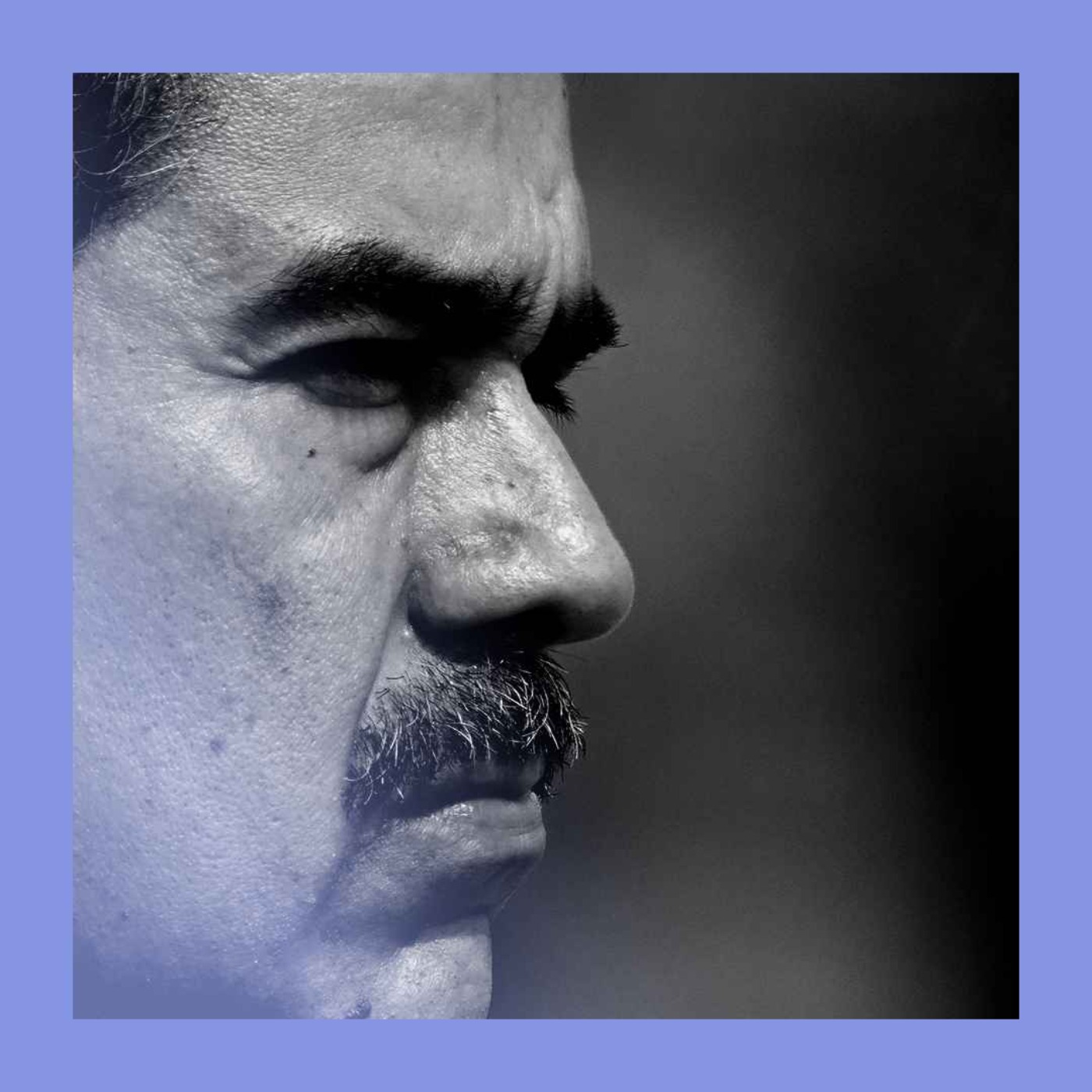
The U.S. operation to capture Maduro serves as a real-world case study for China's potential 'decapitation' strike against Taiwan. China has already rehearsed such scenarios in mock-ups of Taipei's presidential palace. This event demonstrates the feasibility of a quick, surgical strike, which is more aligned with the CCP's goals than a costly amphibious invasion.
Historically, rising and ruling powers don't stumble into war directly. Instead, their heightened distrust creates a tinderbox where a seemingly minor incident involving a third party (like the assassination in Sarajevo pre-WWI) can escalate uncontrollably into a catastrophic conflict.

Venezuela's remaining leadership can adopt a strategy of "playing for time." By appearing cooperative while delaying substantive changes, they can wait for events like the US midterms to increase domestic political pressure on the administration, making sustained intervention unpopular and difficult to maintain. The weaker state's best defense is the superpower's internal clock.
The core driver of a 'Thucydides Trap' conflict is the psychological distress experienced by the ruling power. For the U.S., the challenge to its identity as '#1' creates a disorienting fear and paranoia, making it prone to miscalculation, independent of actual military or economic shifts.
Trump's 'hokey pokey' with tariffs and threats isn't indecisiveness but a consistent strategy: make an agreement, threaten a severe and immediate penalty for breaking it, and actually follow through. This makes his threats credible and functions as a powerful deterrent that administrations lacking his perceived volatility cannot replicate.

The viral reaction to Venezuelan President Maduro's capture focused on his Nike tracksuit, turning a serious event into memes. This cultural trend of "comedy" and memefication sanitizes and distracts from the oppressive reality of authoritarian regimes.

In politics, the perception of strength and decisiveness can be more electorally powerful than being correct but appearing weak or compromising. This principle explains why a political party might maintain a hardline stance that is unpopular, as the image of strength itself resonates more with voters than the nuance of being “right.”
The recent uptick in global conflicts, from Ukraine to the Caribbean, is not a series of isolated events. It's a direct result of adversaries perceiving American weakness and acting on the historical principle that nations expand their influence until they are met with sufficient counter-force.
