Get your free personalized podcast brief
We scan new podcasts and send you the top 5 insights daily.
While autonomous drones save on fuel and labor, their biggest selling point is applying chemicals more precisely. This reduces waste of expensive materials, which can be four times the cost of the application service itself.

Related Insights
Skydio's drones are designed as 'force multipliers' where AI handles complex tasks like navigation, obstacle avoidance, and subject tracking. This frees the human operator to focus on high-level mission objectives, like assessing a situation, rather than the mechanics of flying the drone.

Instead of competing with giants like FedEx and DHL, some drone companies are offering them a white-labeled, fully integrated autonomous delivery system. This B2B model allows logistics operators to adopt drone technology without building it from scratch, treating it as an addition to their existing fleet.

Pika's drones are designed for high reliability and low operating costs, making them ideal for logistics but ill-suited for kinetic (bombing) missions, which favor cheaper, more disposable designs.
The inefficiency of using a 4,000-pound gas vehicle for a 5-pound delivery ensures drone delivery will eventually be far cheaper. This physics-based argument underpins the entire business model's long-term economic viability.
An FPV drone is already three orders of magnitude more versatile than an artillery shell. Adding full autonomy adds another *four* orders of magnitude in capability by expanding the user base (100x), increasing mission success (10x), and improving utility per drone (10x).

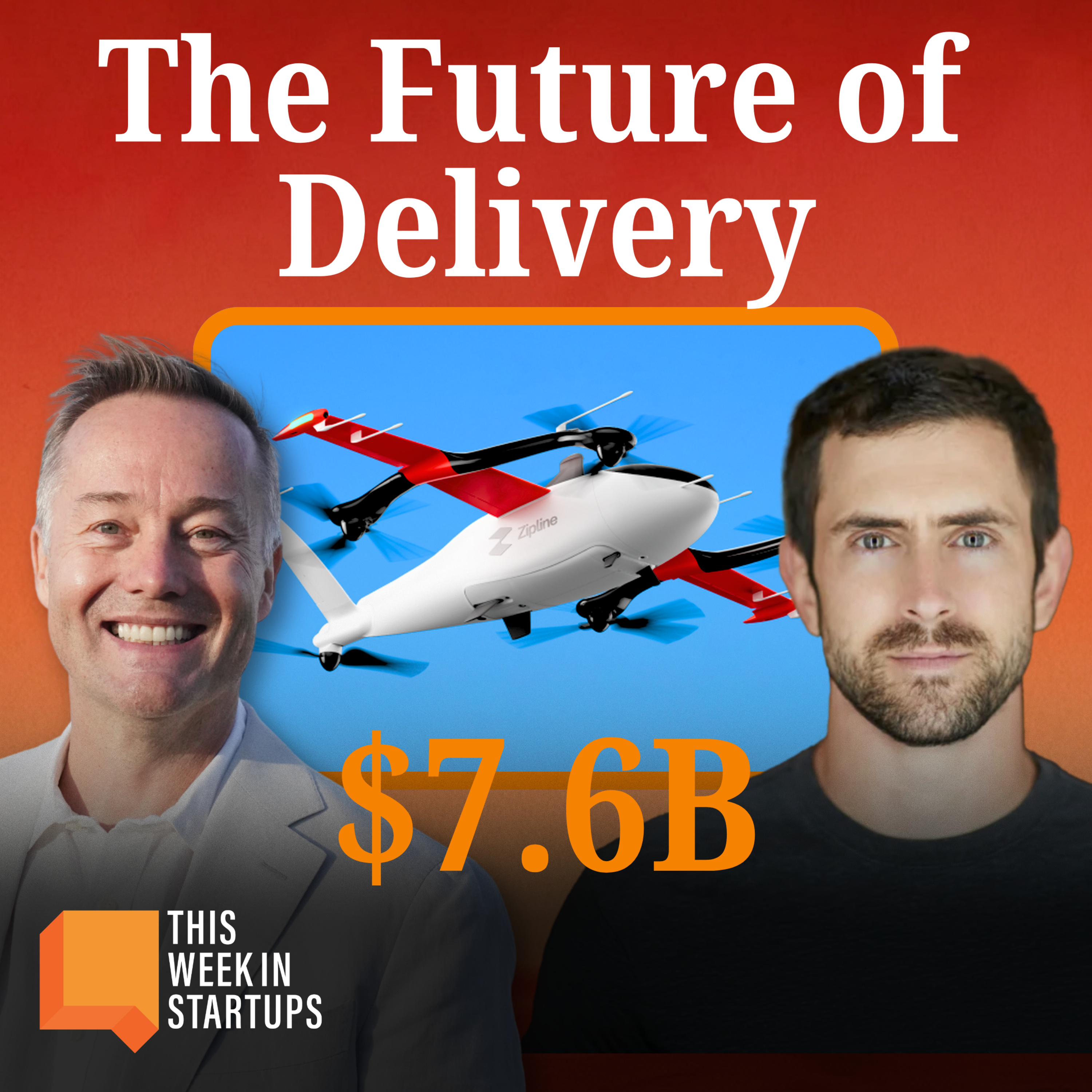
Zipline's CEO argues from first principles that current delivery logistics are absurdly inefficient. Replacing a human-driven, gas-powered car with a small, autonomous electric drone is not just an incremental improvement but a fundamental paradigm shift dictated by physics.

The high cost of advanced aircraft like the F-35 fighter jet stems from ensuring pilot safety. Drones, by being unmanned, remove this expensive constraint. Since crashes are acceptable, drones can be produced cheaply and at scale, unlocking their disruptive economic potential across industries.

Zipline's 50% cost reduction for its next-gen aircraft wasn't just from supply chain optimization. The primary driver was a design philosophy focused on eliminating components entirely ("the best part is no part"), which also improves reliability.

Mana views drone delivery not as a tech product but as a commodity for delivering goods like burritos. This forces an obsessive focus on operational efficiency and unit cost, adopting a low-cost airline mentality to win on price and scale, rather than on flashy technology.
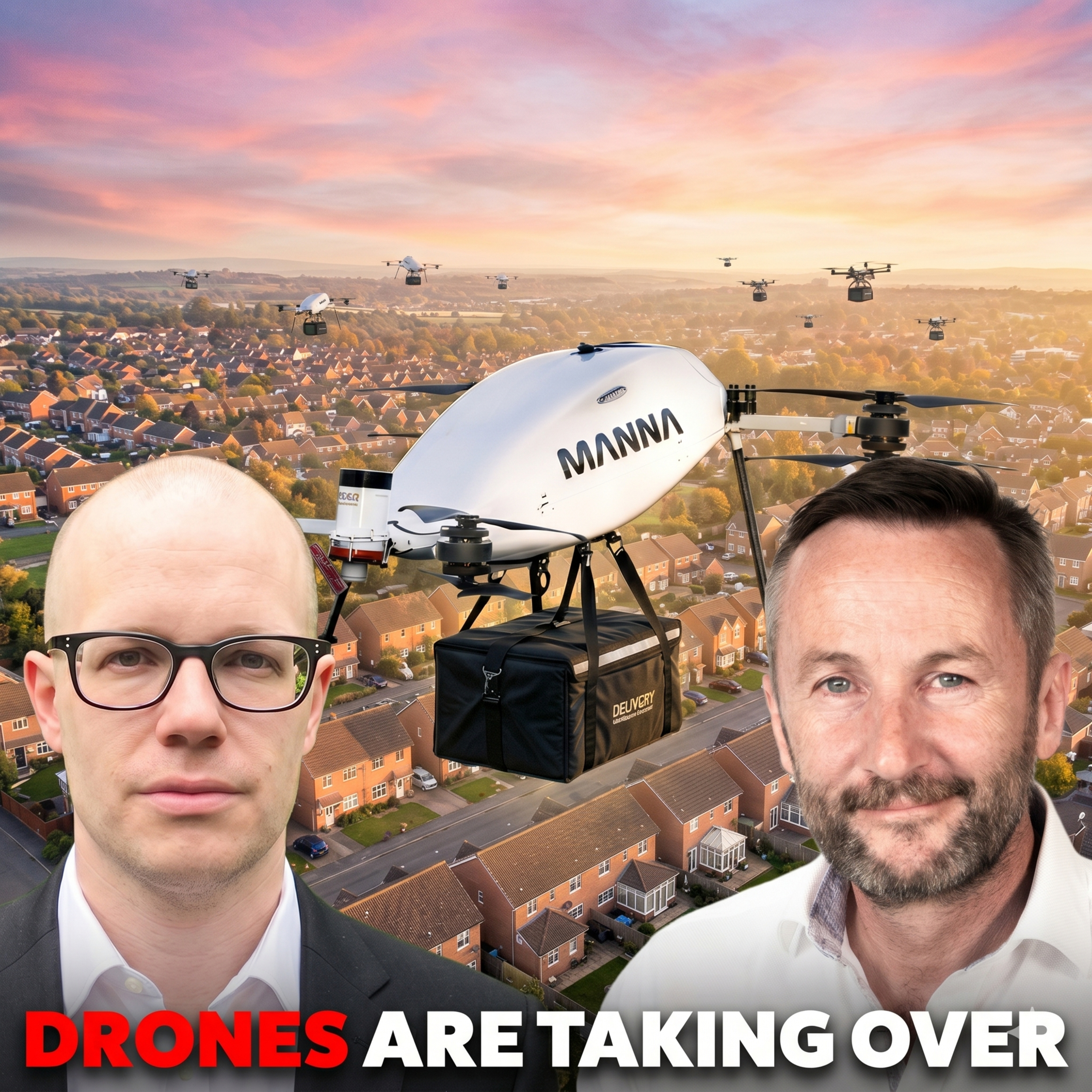
Instead of relying on a single central hub, Mana's drones fly out to various pre-set pads each morning. They then migrate between these locations throughout the day based on anticipated order flow, balancing rapid delivery times with capital expenditure on depots.