Get your free personalized podcast brief
We scan new podcasts and send you the top 5 insights daily.
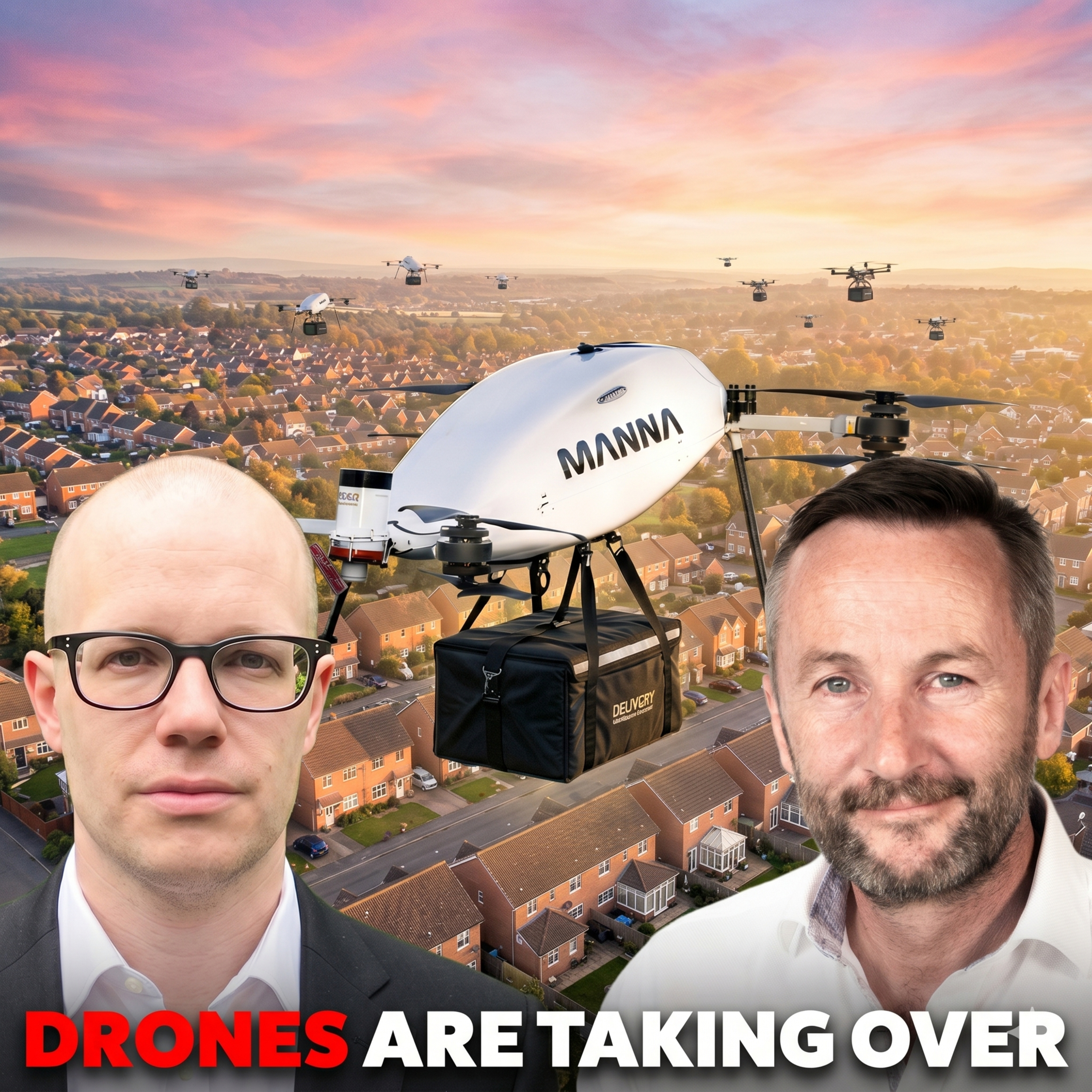
Mana views drone delivery not as a tech product but as a commodity for delivering goods like burritos. This forces an obsessive focus on operational efficiency and unit cost, adopting a low-cost airline mentality to win on price and scale, rather than on flashy technology.
Related Insights
To win as a low-cost service provider, every decision must be optimized for operational efficiency from day one, like offshoring talent and using heavy automation. Simply lowering prices because a premium model failed is a losing strategy, as the underlying cost structure is fundamentally different.

Beyond delivering restaurant food, Mana's ultimate goal is to create a platform for peer-to-peer delivery. This would empower individuals and small home-based businesses to sell and ship products hyper-locally, effectively creating a new, democratized logistics layer for neighborhood economies.
Unlike typical cash-burning startups, Mana's new drone locations are contribution-positive from the start and achieve payback in 7-12 months. This allows the company to use debt, not just dilutive equity, to finance its physical expansion, creating a highly capital-efficient scaling model.
Instead of competing with giants like FedEx and DHL, some drone companies are offering them a white-labeled, fully integrated autonomous delivery system. This B2B model allows logistics operators to adopt drone technology without building it from scratch, treating it as an addition to their existing fleet.

The inefficiency of using a 4,000-pound gas vehicle for a 5-pound delivery ensures drone delivery will eventually be far cheaper. This physics-based argument underpins the entire business model's long-term economic viability.
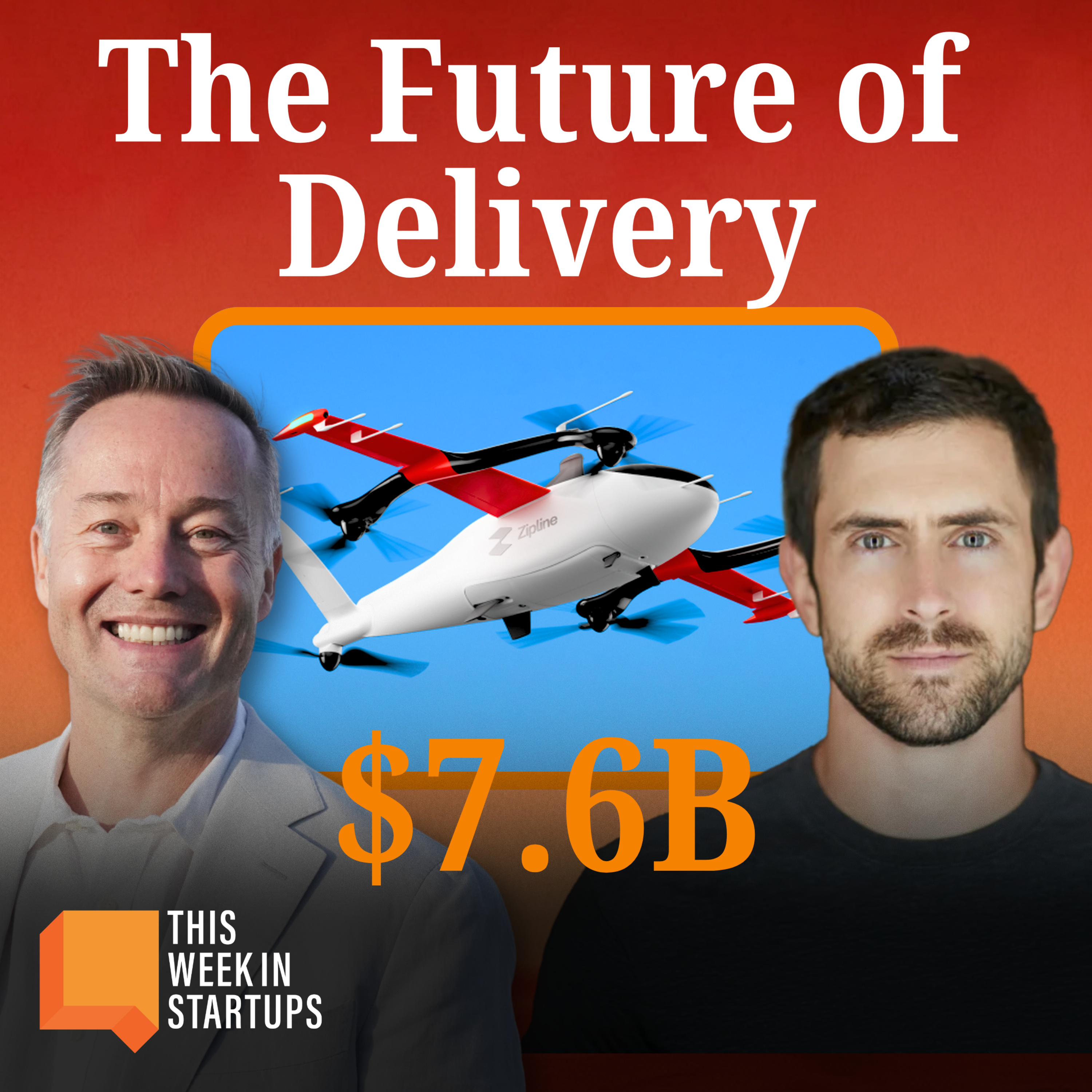
Zipline's CEO argues from first principles that current delivery logistics are absurdly inefficient. Replacing a human-driven, gas-powered car with a small, autonomous electric drone is not just an incremental improvement but a fundamental paradigm shift dictated by physics.

Zipline's 50% cost reduction for its next-gen aircraft wasn't just from supply chain optimization. The primary driver was a design philosophy focused on eliminating components entirely ("the best part is no part"), which also improves reliability.

Drone delivery startup Iona is targeting the 99% of the world with low population density, where traditional van-based logistics are inefficient. Their vision is to create a 'physical internet' that makes obtaining physical goods as easy as accessing information online.
Zipline abstracts away all operational complexity (FAA regulations, maintenance, flight ops) and pitches a simple, powerful outcome to partners like Walmart: an instant delivery portal installed in their wall.
Instead of relying on a single central hub, Mana's drones fly out to various pre-set pads each morning. They then migrate between these locations throughout the day based on anticipated order flow, balancing rapid delivery times with capital expenditure on depots.