Get your free personalized podcast brief
We scan new podcasts and send you the top 5 insights daily.
Instead of competing with giants like FedEx and DHL, some drone companies are offering them a white-labeled, fully integrated autonomous delivery system. This B2B model allows logistics operators to adopt drone technology without building it from scratch, treating it as an addition to their existing fleet.

Related Insights
Autonomous vehicle technology will likely become a commodity layer, with most manufacturers providing their cars to existing ride-sharing networks like Uber and Lyft. Only a few companies like Tesla have the brand and scale to pursue a vertically-integrated, closed-network strategy.
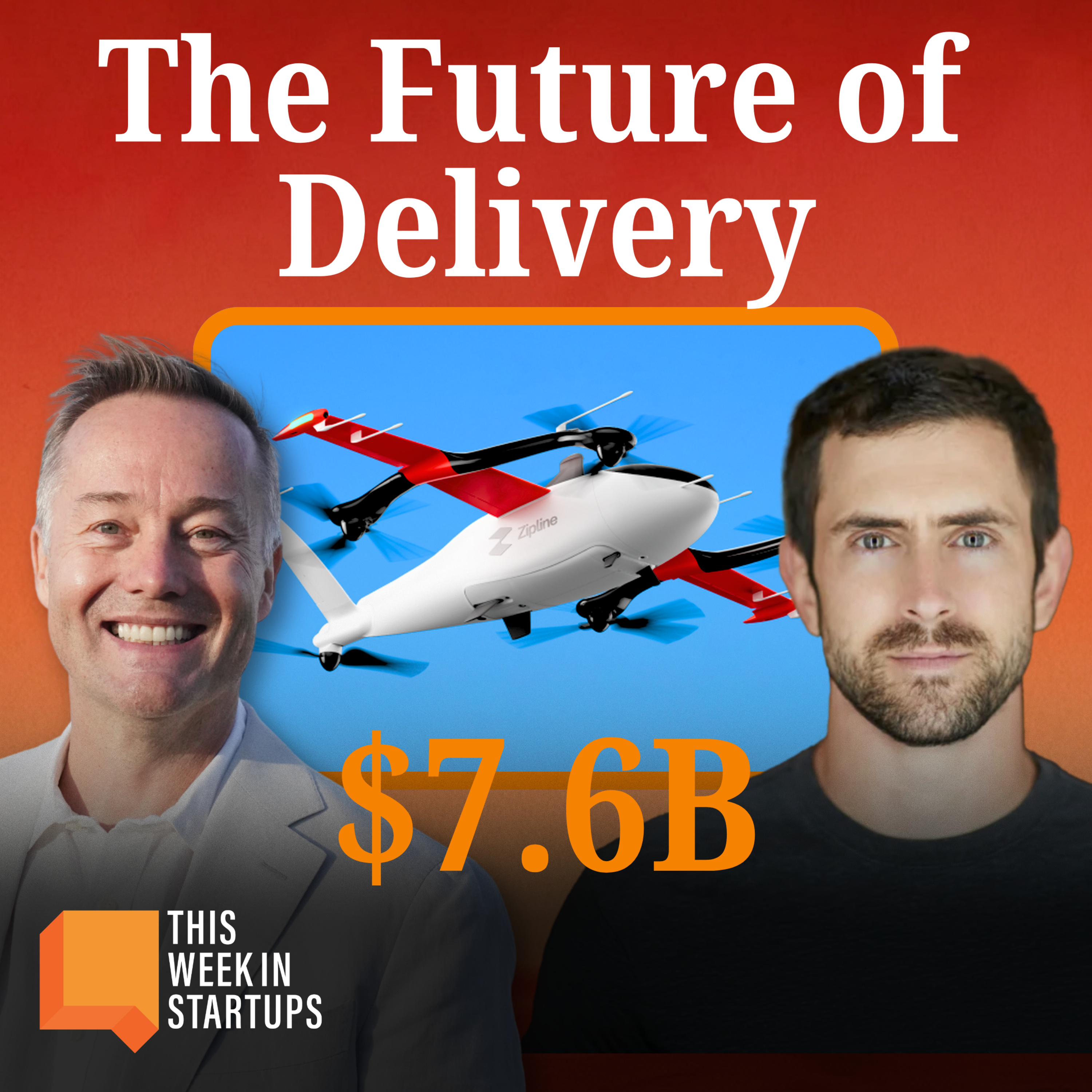
The founders initially focused on building the autonomous aircraft. They soon realized the vehicle was only 15% of the problem's complexity. The real challenge was creating the entire logistics ecosystem around it, from inventory and fulfillment software to new procedures for rural hospitals.

While first-wave defense tech leaders like Anduril pursue a vertically integrated "Apple" model (hardware and software), a new approach is emerging. Companies like Auterion are building a common, open operating system for drones from various manufacturers. This "Android for drones" strategy focuses on creating a wide, interoperable ecosystem rather than a closed, proprietary one.

Instead of building its own capital-intensive robotaxi fleet, Waive's go-to-market strategy is to sell its autonomous driving stack to major auto manufacturers. This software-centric approach allows them to leverage the scale, distribution, and hardware infrastructure of established OEMs to reach millions of consumers.

Instead of building new autonomous vehicles from scratch, Bedrock Robotics develops technology to retrofit existing heavy machinery. This allows a contractor to turn their existing half-million-dollar Caterpillar excavator into an autonomous asset, a much more capital-efficient approach than replacing the entire fleet.

Autonomous commerce will be a multimodal ecosystem using drones, sidewalk bots, and AVs. This creates a massive integration problem for retailers. The winning strategy is not building one vehicle, but creating the universal orchestration layer that allows retailers to manage all autonomous delivery form factors seamlessly.

Zipline's CEO argues from first principles that current delivery logistics are absurdly inefficient. Replacing a human-driven, gas-powered car with a small, autonomous electric drone is not just an incremental improvement but a fundamental paradigm shift dictated by physics.

Drone delivery startup Iona is targeting the 99% of the world with low population density, where traditional van-based logistics are inefficient. Their vision is to create a 'physical internet' that makes obtaining physical goods as easy as accessing information online.
Zipline abstracts away all operational complexity (FAA regulations, maintenance, flight ops) and pitches a simple, powerful outcome to partners like Walmart: an instant delivery portal installed in their wall.
The upcoming FAA Part 108 regulation enables Beyond Visual Line of Sight (BVLOS) drone operations. This is a crucial shift, analogous to moving from Level 2 to Level 4 autonomous driving, as it allows remote supervision of multiple drones, unlocking scalability.