Get your free personalized podcast brief
We scan new podcasts and send you the top 5 insights daily.
The high cost of advanced aircraft like the F-35 fighter jet stems from ensuring pilot safety. Drones, by being unmanned, remove this expensive constraint. Since crashes are acceptable, drones can be produced cheaply and at scale, unlocking their disruptive economic potential across industries.

Related Insights
The conflict in Ukraine exposed the vulnerability of expensive, "exquisite" military platforms (like tanks) to inexpensive technologies (like drones). This has shifted defense priorities toward cheap, mass-producible, "attritable" systems. This fundamental change in product and economics creates a massive opportunity for startups to innovate outside the traditional defense prime model.

The proliferation of drones is fueled by consumer electronics. Companies like Qualcomm and Nvidia provide powerful "system on a chip" components and even reference designs, making it easy for non-state actors and smaller nations to build and deploy advanced military hardware that was previously inaccessible.

The inefficiency of using a 4,000-pound gas vehicle for a 5-pound delivery ensures drone delivery will eventually be far cheaper. This physics-based argument underpins the entire business model's long-term economic viability.
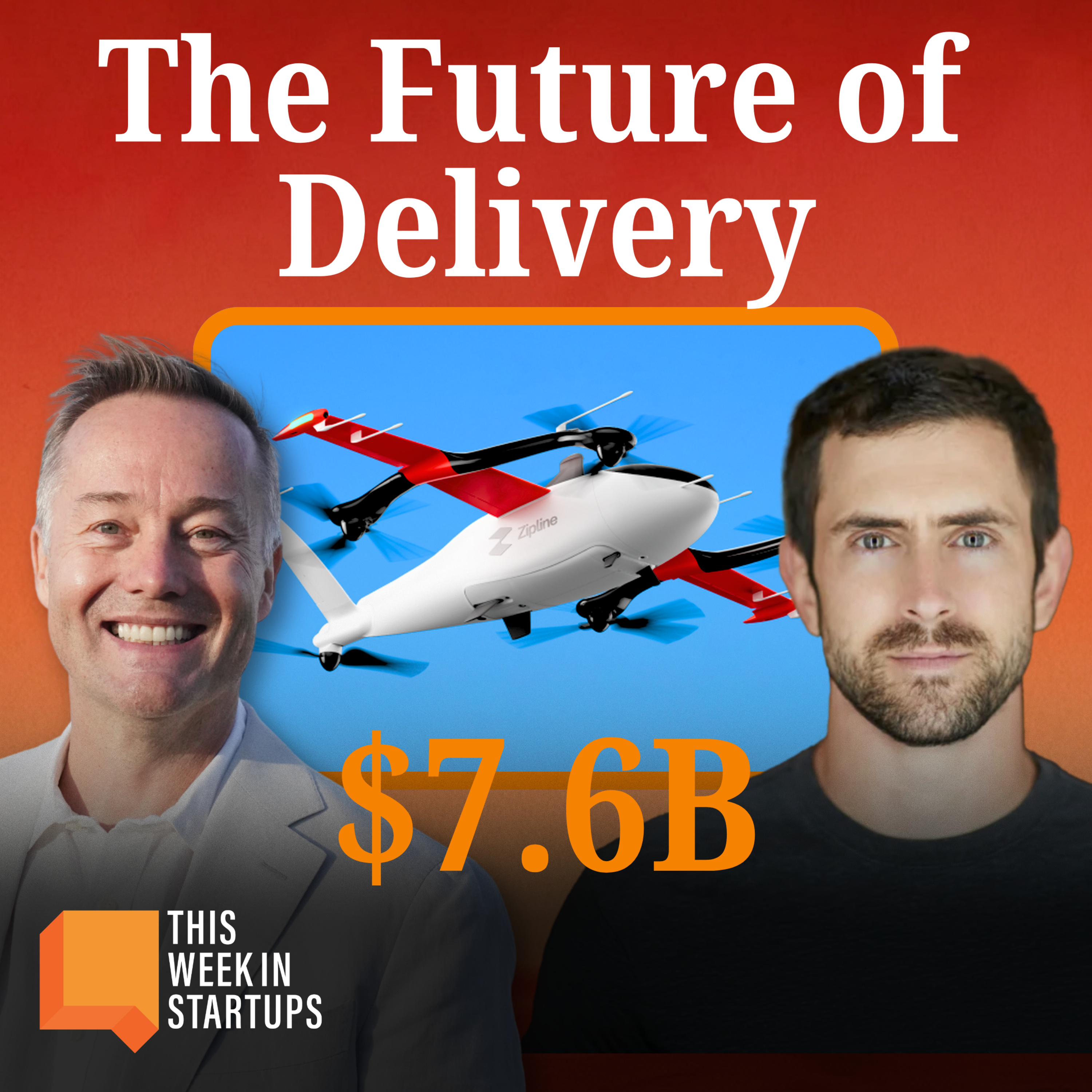
Zipline's CEO argues from first principles that current delivery logistics are absurdly inefficient. Replacing a human-driven, gas-powered car with a small, autonomous electric drone is not just an incremental improvement but a fundamental paradigm shift dictated by physics.

A critical vulnerability in firefighting is that most aerial operations cease at night due to pilot safety risks, allowing fires to grow unchecked. Autonomous aircraft, using sensors like LiDAR, can operate 24/7, closing this dangerous operational gap and preventing significant overnight fire spread.

Zipline's 50% cost reduction for its next-gen aircraft wasn't just from supply chain optimization. The primary driver was a design philosophy focused on eliminating components entirely ("the best part is no part"), which also improves reliability.

As autonomous weapon systems become increasingly lethal, the battlefield will be too dangerous for human soldiers. The founder of Allen Control Systems argues that conflict will transform into 'robot on robot action,' where victory is determined not by soldiers, but by which nation can produce the most effective systems at the lowest cost.
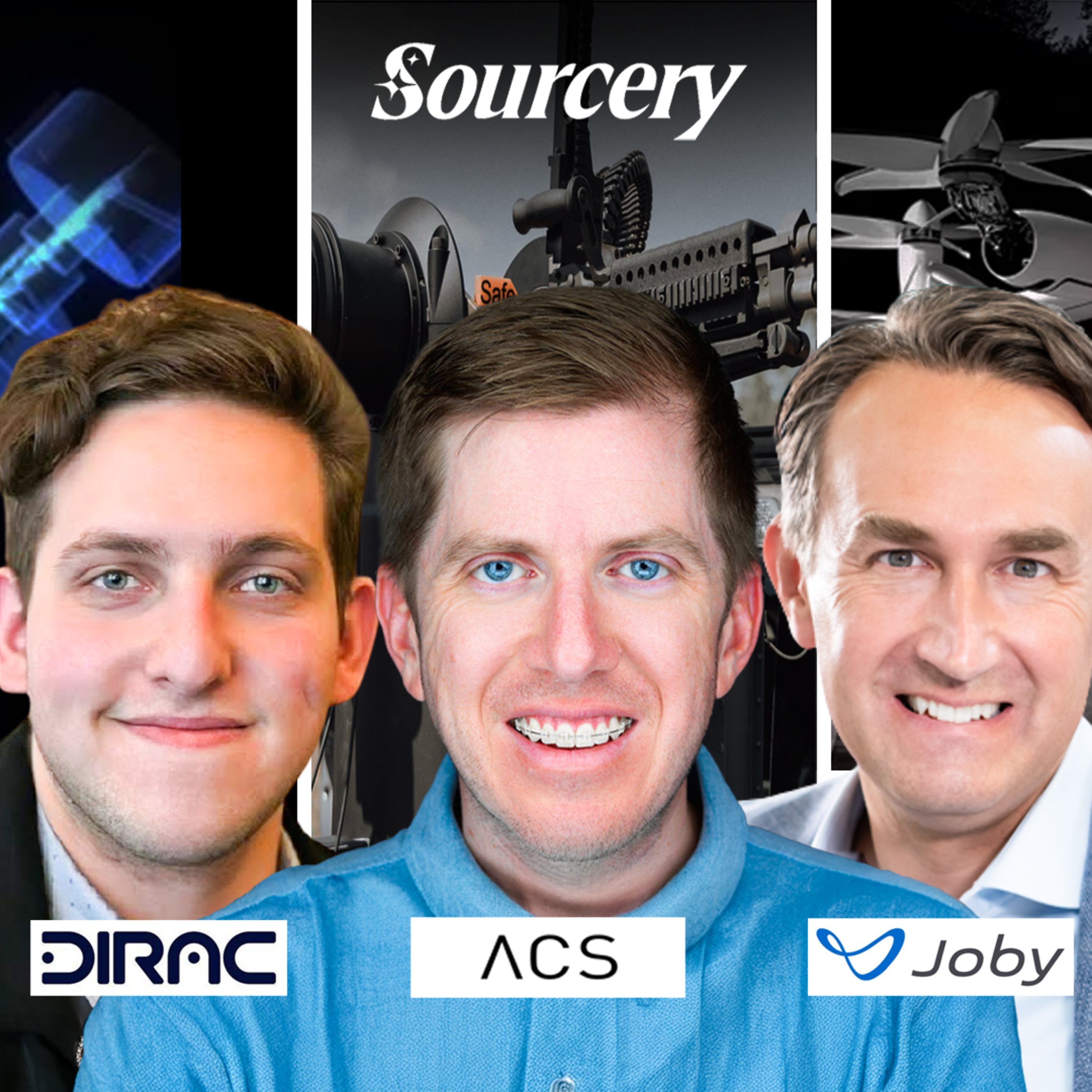
Musk predicts that corporations composed entirely of AI and robots will rapidly and dramatically outperform any company that keeps humans involved in core operations. He compares it to a spreadsheet: a single human-calculated cell slows down the entire system, making hybrid human-AI companies inherently uncompetitive in the long run.

The war in Ukraine has evolved from a traditional territorial conflict into a "robot war," with drones dominating the front lines. This real-world battlefield is accelerating innovation at an "unbelievable" pace, driving new solutions for secure communications and autonomous targeting, providing critical lessons for US drone strategy.

The rise of drones is more than an incremental improvement; it's a paradigm shift. Warfare is moving from human-manned systems where lives are always at risk to autonomous ones where mission success hinges on technological reliability. This changes cost-benefit analyses and reduces direct human exposure in conflict.