Get your free personalized podcast brief
We scan new podcasts and send you the top 5 insights daily.
Pika's drones are designed for high reliability and low operating costs, making them ideal for logistics but ill-suited for kinetic (bombing) missions, which favor cheaper, more disposable designs.

Related Insights
Instead of waiting for a formal requirements document, Pika developed its Dropship drone based on direct, actionable feedback from military users (Air Force, Army) on a prior model, accelerating the design cycle.
Ukraine's use of cheap drones to destroy a significant portion of Russia's bomber fleet exemplifies modern, asymmetric conflict. The new paradigm favors low-cost, high-volume assets that inflict disproportionate damage on expensive, traditional military hardware, a domain where the U.S. lags.

Theseus's vision-based navigation is only accurate to 30 meters, a deliberate choice. This is sufficient for long-range transport ('getting from A to B') without enabling precision targeting. This strategy prioritizes reliability in GPS-denied areas while navigating regulatory and ethical concerns.
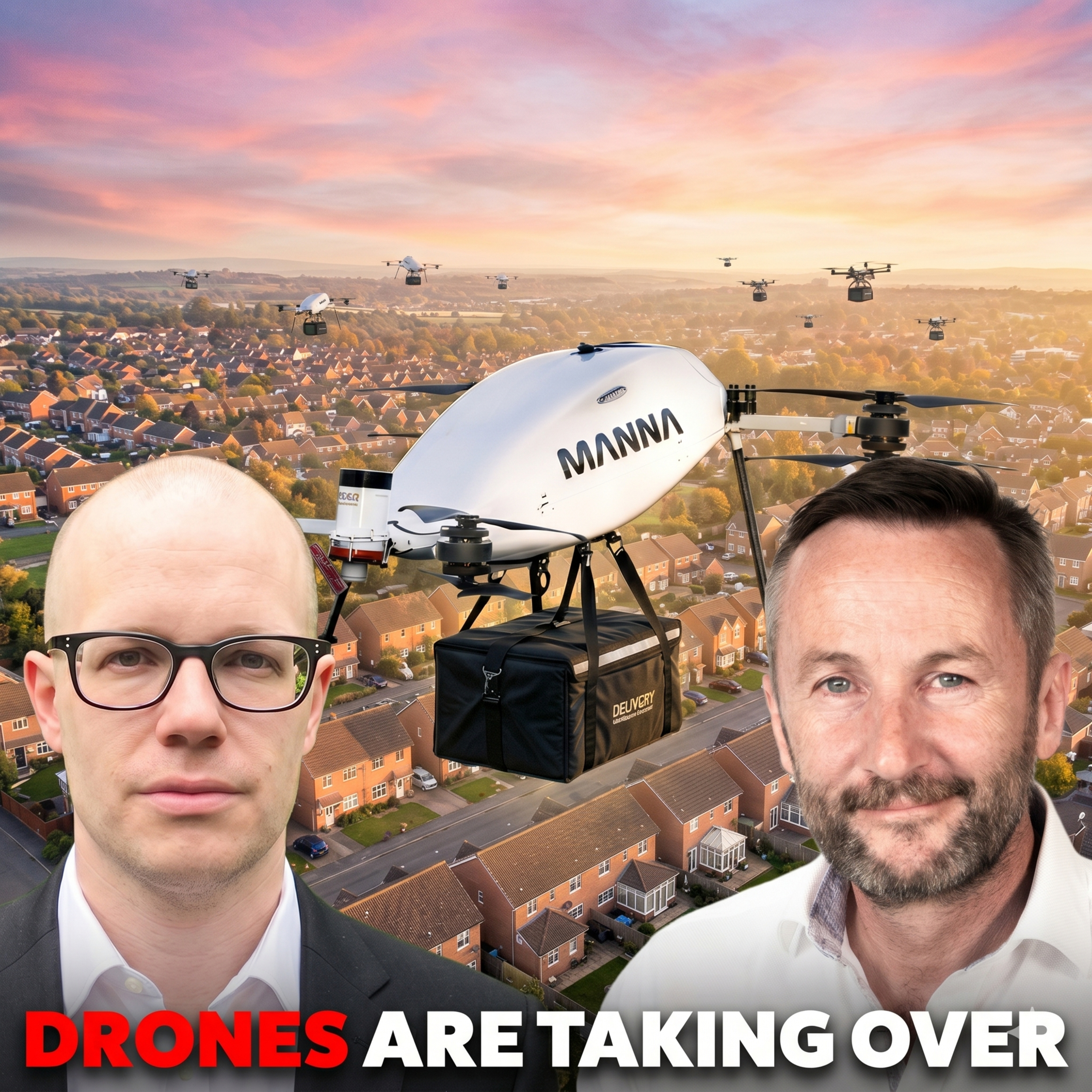
Modern conflicts demonstrate that low-cost drones can effectively neutralize multi-million dollar missiles. This economic imbalance creates a massive market opportunity for tech companies that can produce cheaper, high-volume, and effective weapons systems.
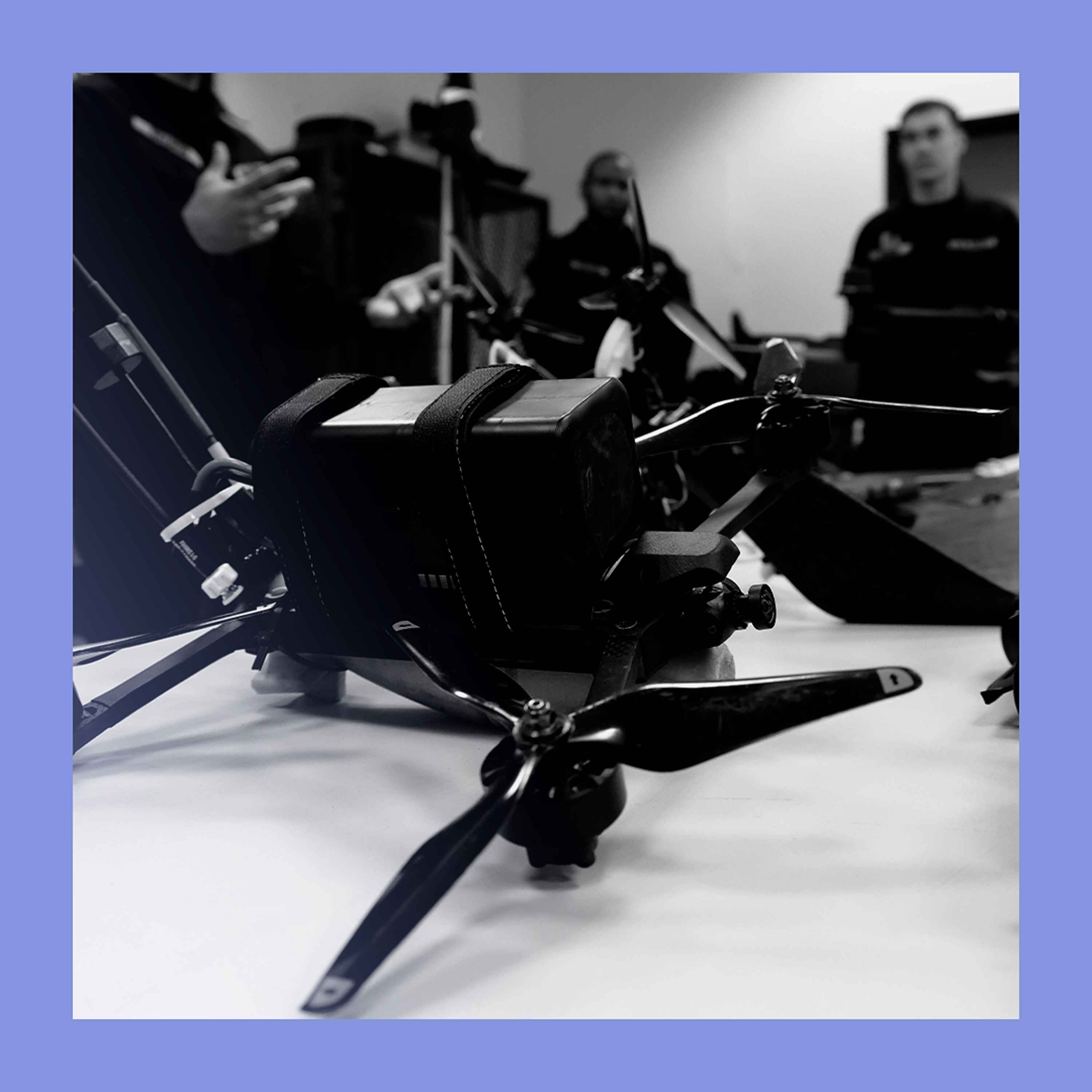
Drones establish a lethal "kill zone" that restricts ground movement and forces soldiers into hiding. Paradoxically, large logistics drones are also the primary means of survival, delivering all essential supplies like food, water, and ammunition to these otherwise inaccessible frontline positions, enabling the fight to continue.

An FPV drone is already three orders of magnitude more versatile than an artillery shell. Adding full autonomy adds another *four* orders of magnitude in capability by expanding the user base (100x), increasing mission success (10x), and improving utility per drone (10x).
The rapid evolution of drones in Ukraine demonstrates that commercially viable, inexpensive products are now central to modern warfare. The ability to iterate quickly using commercial supply chains provides a mass-producible advantage over traditional, slow-moving defense procurement for certain capabilities.
![Darren Farber on Iran, China, and the Rise of Neoprimes - [Invest Like the Best, EP.474] thumbnail](https://megaphone.imgix.net/podcasts/ef669774-cccd-11ed-889b-c36caad6646f/image/158efdddfb983d2678b3530d484e8aa2.jpg?ixlib=rails-4.3.1&max-w=3000&max-h=3000&fit=crop&auto=format,compress)
The key takeaway from conflicts in Ukraine and Iran is the severe cost imbalance created by drones. Cheap, disposable drones can threaten multi-million dollar assets, forcing a strategic shift toward developing low-cost, mass-produced "attributable weapons" to level the economic playing field.

Drones like the Hornet (sub-$5k) use AI to automatically identify targets. This allows Ukraine to send swarms of cheap drones for operational-level strikes, achieving results that previously required expensive missiles. This fundamentally changes the cost-benefit analysis of deep attacks and attritional warfare.
The rise of drones is more than an incremental improvement; it's a paradigm shift. Warfare is moving from human-manned systems where lives are always at risk to autonomous ones where mission success hinges on technological reliability. This changes cost-benefit analyses and reduces direct human exposure in conflict.
