Get your free personalized podcast brief
We scan new podcasts and send you the top 5 insights daily.
Mali, Burkina Faso, and Niger—the three countries most impacted by jihadism—declined to participate in a major US-led training exercise. This boycott signals a significant geopolitical shift away from Western security partnerships and towards Russia.

Related Insights
The government has recruited tens of thousands of poorly trained "volunteer defense forces," primarily from dominant ethnic groups. These militias target minority groups like the Fulani, effectively turning the conflict into one of ethnic cleansing and driving more people into the arms of the jihadists they are supposed to be fighting.
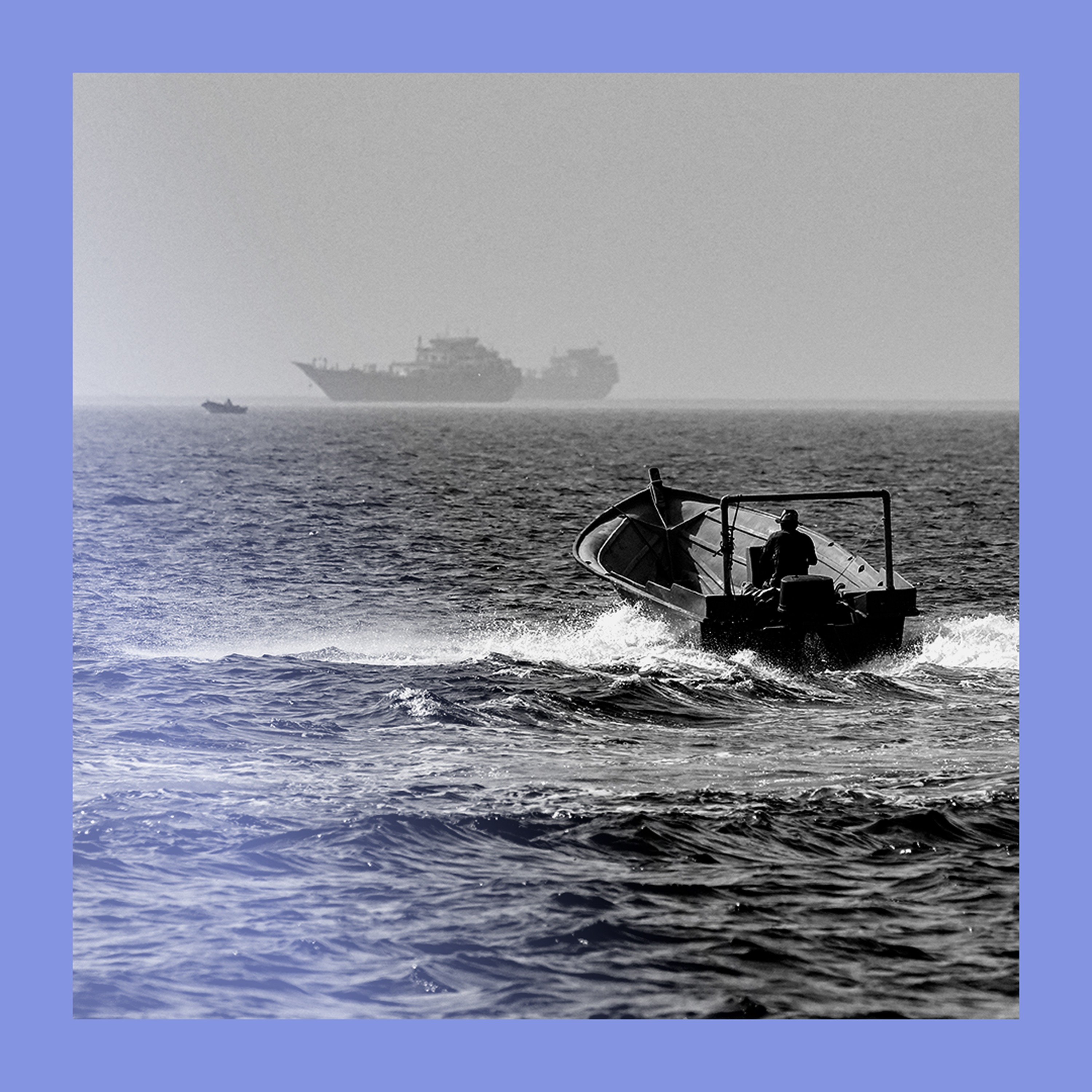
The primary threat from alliances like Russia, China, and Iran lies not in sales of ships or planes, but in the creation of 'learning communities.' These nations share hard-won lessons from their respective conflicts, such as Russia teaching Iran how to build better drones based on its experience in Ukraine. This agile knowledge transfer poses a more significant challenge to Western military superiority.

Many developing countries view Russia's invasion of Ukraine, while illegal, as an inevitable check on decades of unchecked US power and NATO expansion. Their memory of the "unipolar moment" is one of American imposition, making them quietly support a rebalancing of global power.

Despite nearly 20 years of significant US investment in training African special forces, jihadism has not been contained. Instead, it has spread from the Sahel to coastal nations, questioning the long-term efficacy of this expensive, hands-on approach.
Violence in Nigeria is not from a single entity like Boko Haram, which has splintered. The crisis is a complex interplay between competing jihadist factions and non-ideological criminal "bandits." These groups compete for territory and resources, creating a chaotic and rapidly spreading conflict.

President Traore's popularity, especially in urban areas, is buoyed by his charismatic, anti-imperialist posture. This allows him to deflect criticism from international organizations and maintain support, even as his "scorched earth" military strategy backfires, exacerbates the conflict, and constitutes war crimes in the countryside.
Countering the "blowback" theory, Harris argues that the perception of jihadist success—like the rise of the ISIS caliphate—is what truly inspires new recruits. Therefore, ensuring jihadists are consistently and publicly defeated is the most effective counter-recruitment strategy.

Ghana's stability in a volatile region may not stem from strong governance but from an unspoken agreement with jihadist groups. They reportedly use Ghana as a market for resources like fuel and a safe place for their families, choosing not to attack a country that serves their logistical needs, creating a precarious peace.

Feeling exposed by a US they perceive as prioritizing Israel's defense, Gulf states are pursuing a "portfolio approach" to security. This involves creating smaller, multi-country defense pacts with nations like Pakistan, Turkey, and South Korea to build resilience beyond their traditional alliance with Washington.
The West's decline in military resolve, moral authority (e.g., the Iraq War), and overall focus created a power vacuum. Adversaries perceived this weakness as an opportunity to act on long-held ambitions, viewing it as a moment to "test the waters" with minimal consequences from a weakened West.
