Get your free personalized podcast brief
We scan new podcasts and send you the top 5 insights daily.
Violence in Nigeria is not from a single entity like Boko Haram, which has splintered. The crisis is a complex interplay between competing jihadist factions and non-ideological criminal "bandits." These groups compete for territory and resources, creating a chaotic and rapidly spreading conflict.

Related Insights
The Israeli withdrawal from Gaza, without Hamas being disarmed or an international force in place, creates a space for violent clashes. Hamas, armed gangs, and powerful clans are already competing for control, illustrating a critical risk in phased peace plans where security is not transferred seamlessly.
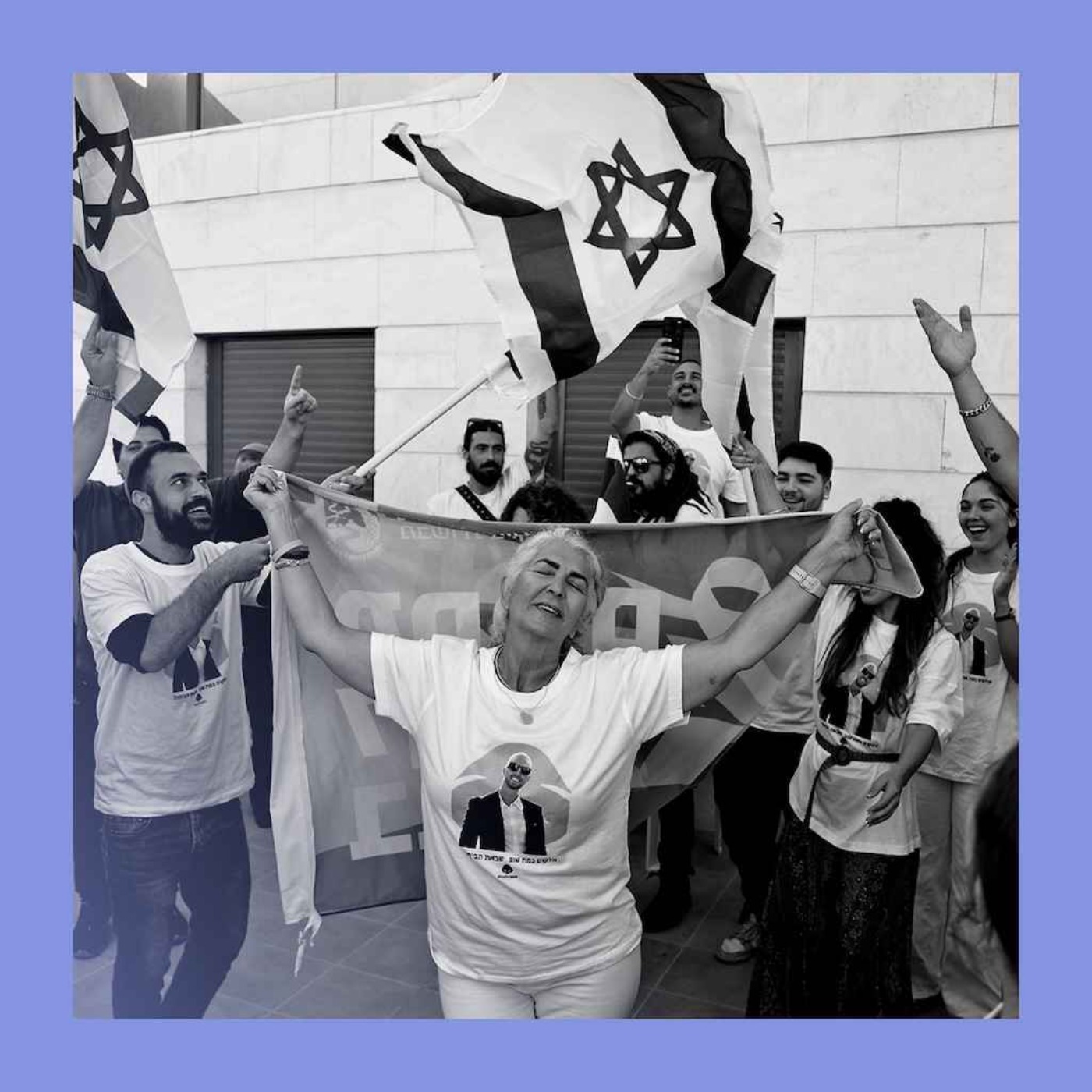
Political violence and extreme polarization are symptoms of deeper economic anxieties. When people feel economically insecure, they retreat into tribal identities and become susceptible to narratives of anger, which can escalate into violence.

The "kingpin strategy" of targeting cartel leaders can be counterproductive. Removing a strong leader like El Mencho, who maintained vertical control, often leads to the cartel's fragmentation. This results in violent internecine conflicts as factions vie for power, ultimately increasing overall violence in the region.
Sending troops after an attack in Nigeria can be counterproductive. The military is too overstretched to maintain a presence, so the intervention often provokes reprisal attacks against local communities once the soldiers have left, increasing long-term risk for civilians.
The successful crackdown on the relatively business-minded Sinaloa cartel created a power vacuum. This void was filled by the more brutal Jalisco New Generation Cartel, which uses extreme violence as its primary business model. This inadvertently worsened the security situation by replacing a predictable actor with a chaotic one.

Viewing the conflict as two rational sides in a misunderstanding is flawed. Both sides see the other as an existential threat and are willing to use extreme violence to achieve their goals. This reframes the narrative from a political dispute to a primal, violent tribal conflict where both sides see themselves as righteous.

Ghana's stability in a volatile region may not stem from strong governance but from an unspoken agreement with jihadist groups. They reportedly use Ghana as a market for resources like fuel and a safe place for their families, choosing not to attack a country that serves their logistical needs, creating a precarious peace.
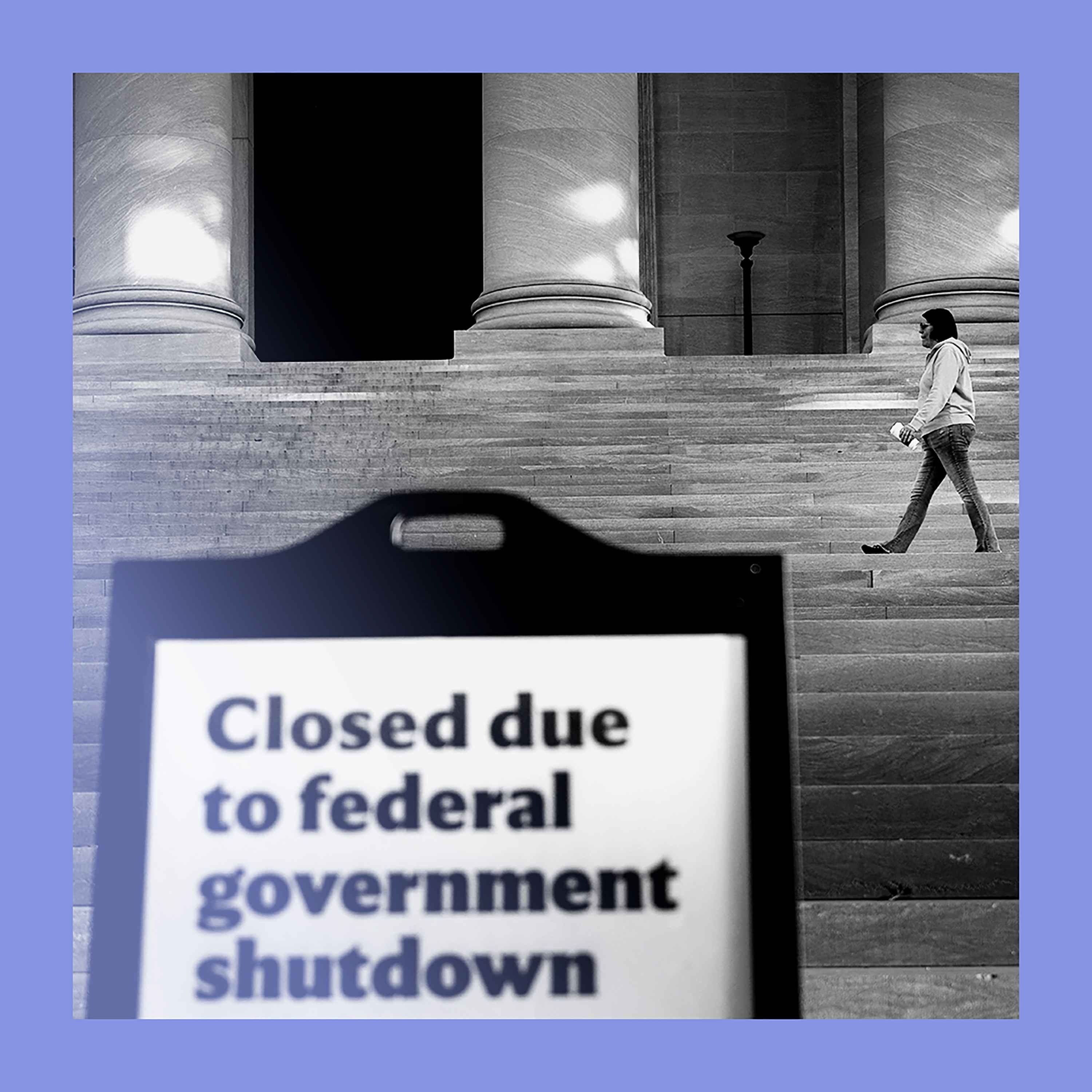
In times of extreme polarization, the political middle is not a safe haven but a kill zone. Moderates are targeted by both sides because they have no tribe to defend them. The escalating cost of neutrality forces everyone to pick a side, eliminating compromise and accelerating conflict.

The Bondi Beach attack exemplifies a trend where individuals, while not part of a local cell, are inspired and sometimes trained by global terror groups like ISIS. This model of indirect incitement makes such attacks difficult for security services to predict or prevent, posing a significant global threat.
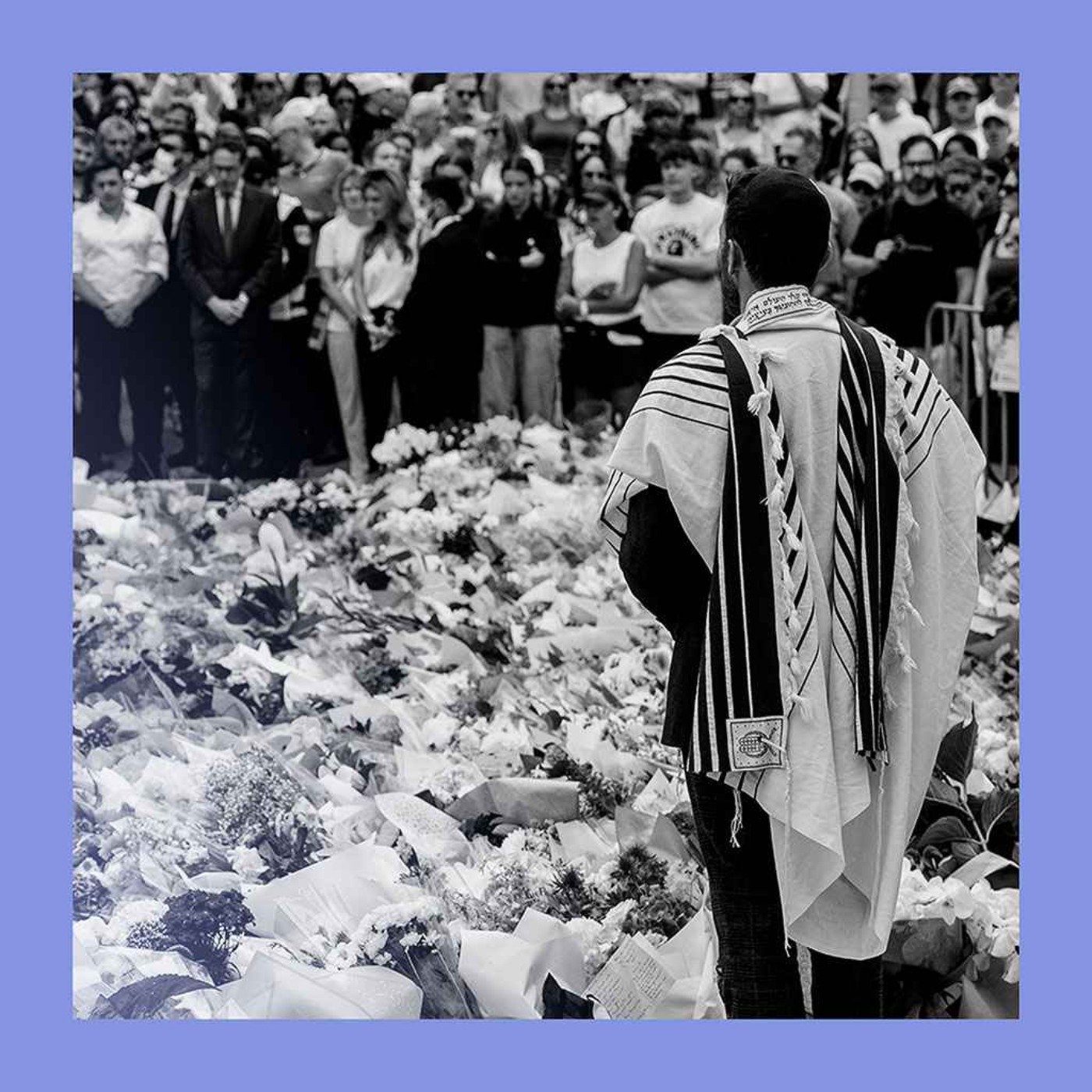
A CIA task force analyzed 38 variables to predict political instability, including common assumptions like poverty and inequality. They found only two were highly predictive: 1) a country being a partial democracy, or “anocracy,” and 2) its political parties organizing around identity (race, religion) rather than ideology.
