Get your free personalized podcast brief
We scan new podcasts and send you the top 5 insights daily.
The primary threat from alliances like Russia, China, and Iran lies not in sales of ships or planes, but in the creation of 'learning communities.' These nations share hard-won lessons from their respective conflicts, such as Russia teaching Iran how to build better drones based on its experience in Ukraine. This agile knowledge transfer poses a more significant challenge to Western military superiority.
Related Insights
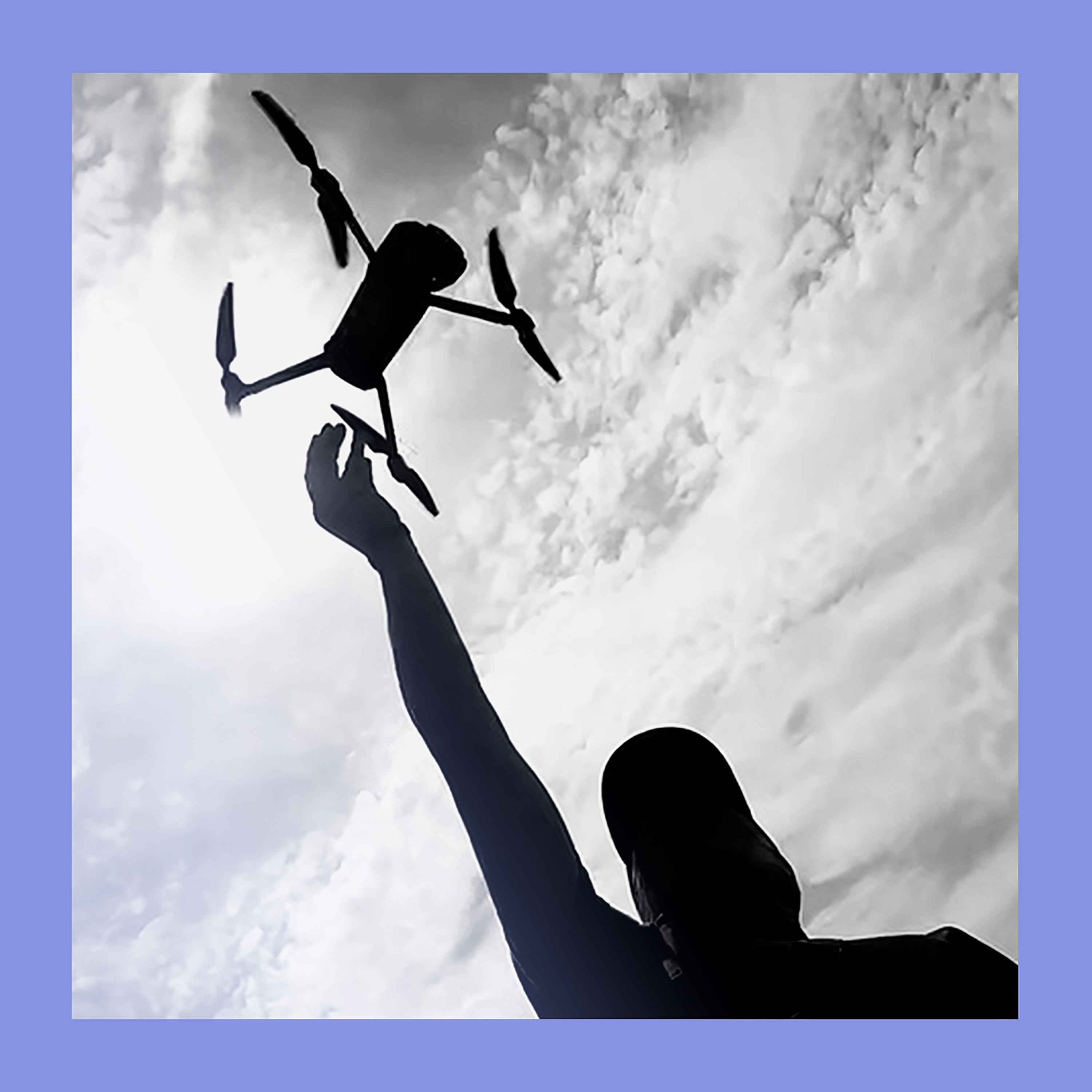
Ukraine's use of cheap drones to destroy a significant portion of Russia's bomber fleet exemplifies modern, asymmetric conflict. The new paradigm favors low-cost, high-volume assets that inflict disproportionate damage on expensive, traditional military hardware, a domain where the U.S. lags.

The U.S. faces adversaries who are actively collaborating, rendering a siloed response insufficient. Victory requires an integrated effort combining the government, the traditional defense industrial base, and agile innovators, creating unique partnerships to move faster than the competition.

Deploying advanced weapons in lower-threat environments serves as a test run but also provides a strategic gift to major adversaries. China's PLA gains invaluable intelligence on the performance, signatures, and capabilities of new U.S. systems by observing their use against Iran, allowing them to develop countermeasures without any cost or risk.

After licensing Iran's Shaheed drones for use in Ukraine, Russia improved them and developed new battlefield tactics. Russia is now sharing this advanced operational knowledge back with Iran, the system's originator, accelerating the evolution of drone warfare for both nations.

The US administration rejected a battle-proven Ukrainian solution for downing Iranian drones before the conflict began, only to need their help later. This failure to leverage allied expertise, especially from a nation with direct experience against similar threats, showcases a critical and ironic gap in US military preparedness.

By forcing the U.S. to operate its air defense systems at scale, the conflict in Iran is inadvertently providing China with a treasure trove of intelligence. The Chinese can observe how these systems perform, identify weaknesses, and refine their own tactics for a potential future conflict.
The Ukraine war has forged a new defense industrial bloc. Russia's ability to sustain its war effort is now critically dependent on a consistent supply of Chinese components, North Korean ammunition, and Iranian drone technology, creating a deeply interconnected anti-Western military-industrial axis.
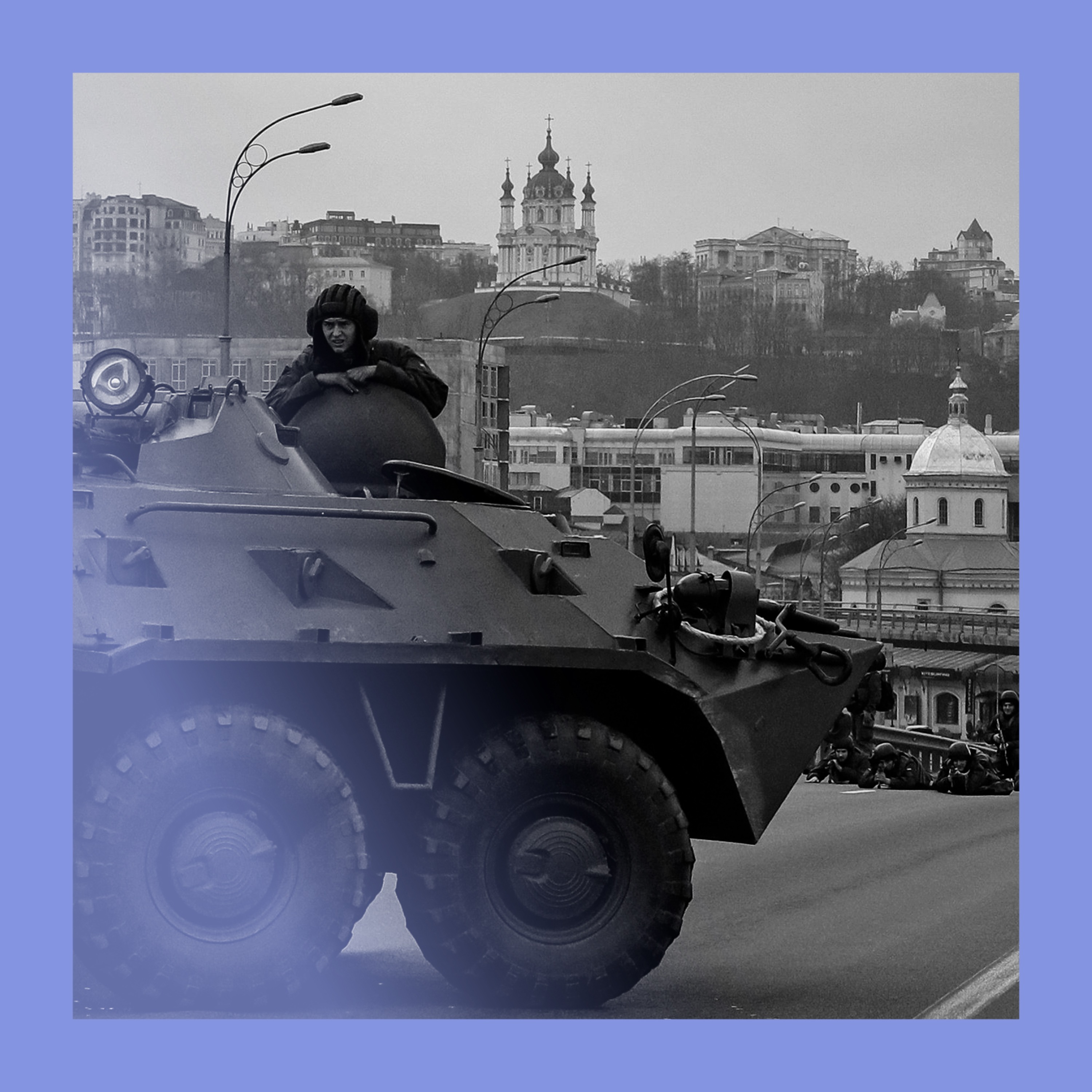
Ukraine's unique experience defending against Shaheed drones has become a valuable diplomatic asset. President Zelensky is offering this specialized knowledge to Gulf nations and Western partners in a direct exchange for investment in its defense industry and crucial military aid.
The Houthis, empowered by Iran, have become such drone warfare experts that they now train other groups like Al-Shabaab and even teach Iran's IRGC. They are evolving into independent consultants, proliferating advanced asymmetric warfare tactics globally and creating a new, decentralized threat.
Nations are now prioritizing partnerships with countries that have battle-tested expertise in modern warfare, like Ukraine's drone defense. This practical capability is becoming more valuable than traditional alliances with superpowers whose military technology may be outdated for current threats.