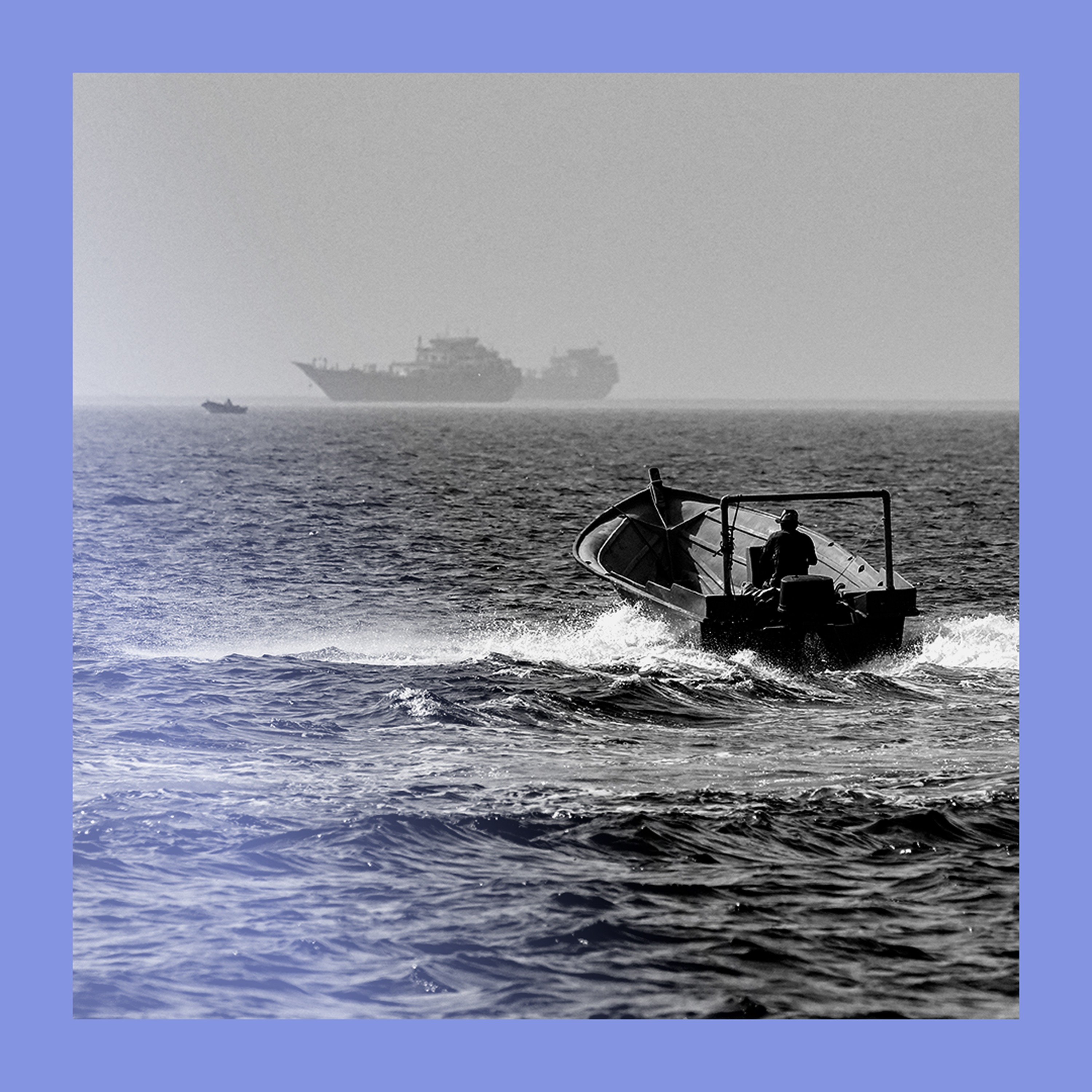
The US blockade's impartial enforcement, a requirement of international law, means it will intercept ships from friendly nations like France, Turkey, and Pakistan. This creates significant diplomatic friction and could undermine the strategy by alienating key partners while compounding the global energy crisis.
Iran's leadership is betting it can withstand economic pressure longer than the US president can tolerate rising gas prices and diplomatic fallout ahead of midterm elections. Having survived past sanctions, Iran believes its autocratic regime has more staying power than an American administration facing voter discontent.
The government has recruited tens of thousands of poorly trained "volunteer defense forces," primarily from dominant ethnic groups. These militias target minority groups like the Fulani, effectively turning the conflict into one of ethnic cleansing and driving more people into the arms of the jihadists they are supposed to be fighting.
President Traore's popularity, especially in urban areas, is buoyed by his charismatic, anti-imperialist posture. This allows him to deflect criticism from international organizations and maintain support, even as his "scorched earth" military strategy backfires, exacerbates the conflict, and constitutes war crimes in the countryside.