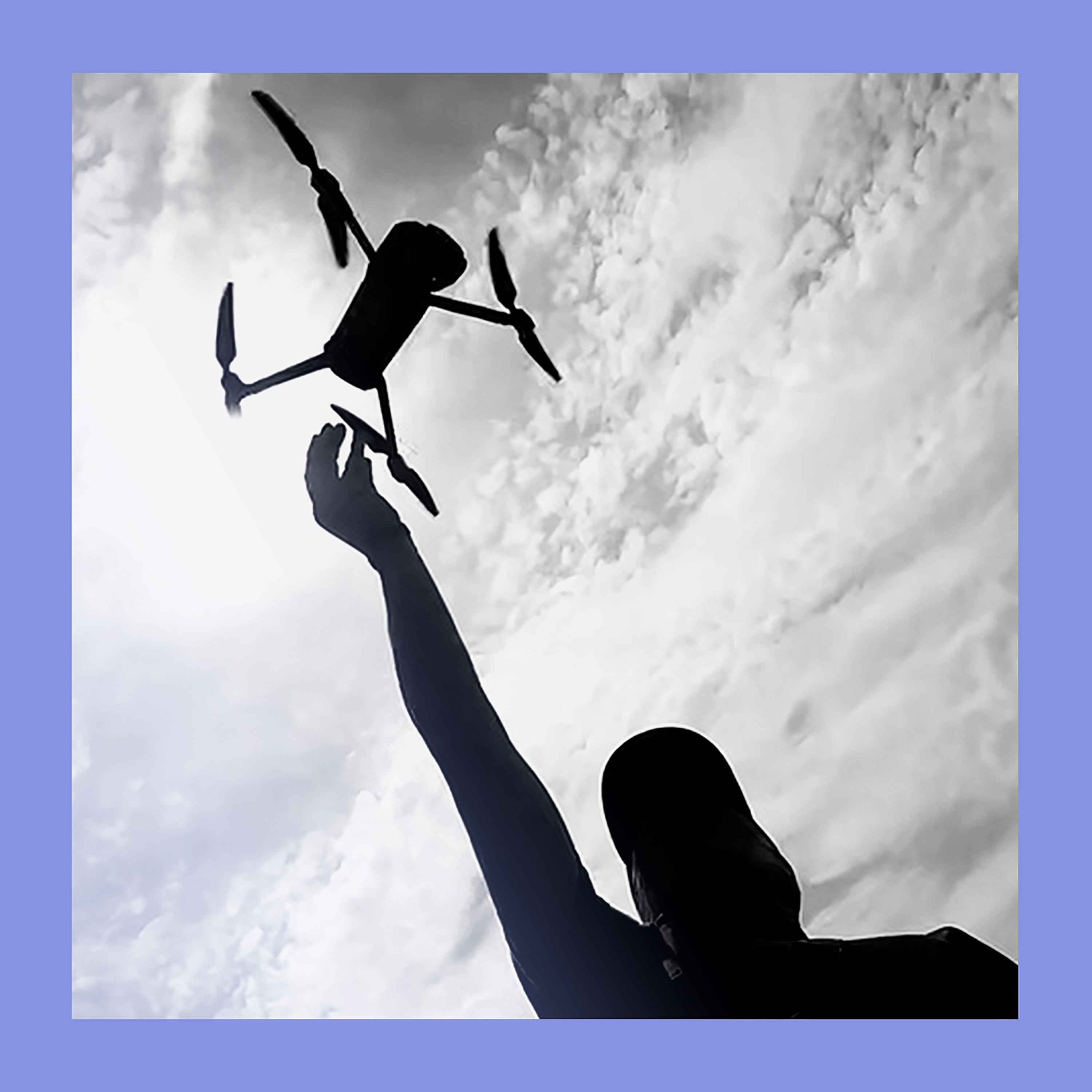
A leaked Russian proposal outlines a plan to divert Starlink-equipped drones for Iranian use against US forces in the Middle East. The strategy aimed to exploit the region's lack of geofencing to cause significant disruption before SpaceX could inevitably cut off access, turning a commercial technology into a temporary, high-impact weapon.
The safety of seafarers is a critical economic issue for their home countries. The Philippines' 590,000 sailors send home roughly $7 billion annually, a major contribution to the national GDP. This economic reliance elevates seafarers' rights from a simple labor issue to a key political priority, leading to the formation of dedicated political parties to represent their interests.
A Russian intelligence document reveals a plan to recruit drone operators from non-traditional pools. The proposal targeted an estimated 10,000 Iranian students in Russian universities, as well as Russian-speaking Tajiks and pro-regime Syrian Alawites. This unconventional strategy leverages existing cultural and political links for military training, bypassing conventional recruitment channels.
The primary threat from alliances like Russia, China, and Iran lies not in sales of ships or planes, but in the creation of 'learning communities.' These nations share hard-won lessons from their respective conflicts, such as Russia teaching Iran how to build better drones based on its experience in Ukraine. This agile knowledge transfer poses a more significant challenge to Western military superiority.
Leaked documents reveal a Russian proposal to supply Iran with 5,000 short-range fiber-optic drones. Unlike radio-controlled drones, these are tethered by a physical cable, making them virtually impossible to jam. This technology would provide Iran with a significant advantage, capable of inflicting considerable casualties on American and allied forces in a potential ground operation.
Thousands of merchant sailors, primarily from Asian countries like the Philippines and India, are trapped in conflict zones like the Gulf. They face not only missile attacks but also severe shortages of food and water. Legal obligations prevent them from abandoning ships, and logistical hurdles like visa issues and a lack of replacements create a hidden humanitarian crisis with no clear escape route.