Get your free personalized podcast brief
We scan new podcasts and send you the top 5 insights daily.
Despite nearly 20 years of significant US investment in training African special forces, jihadism has not been contained. Instead, it has spread from the Sahel to coastal nations, questioning the long-term efficacy of this expensive, hands-on approach.
Related Insights
The government has recruited tens of thousands of poorly trained "volunteer defense forces," primarily from dominant ethnic groups. These militias target minority groups like the Fulani, effectively turning the conflict into one of ethnic cleansing and driving more people into the arms of the jihadists they are supposed to be fighting.
The military fails to effectively transfer knowledge between rotating units in a conflict zone. Incoming units often discard their predecessors' experience, believing they can do better, thus repeating the same errors and failing to build on crucial, hard-won lessons.

Sending troops after an attack in Nigeria can be counterproductive. The military is too overstretched to maintain a presence, so the intervention often provokes reprisal attacks against local communities once the soldiers have left, increasing long-term risk for civilians.

Violence in Nigeria is not from a single entity like Boko Haram, which has splintered. The crisis is a complex interplay between competing jihadist factions and non-ideological criminal "bandits." These groups compete for territory and resources, creating a chaotic and rapidly spreading conflict.
Harris advocates for a continuous, covert war against jihadism rather than public, large-scale military invasions. This approach avoids political grandstanding and public backlash, allowing for a persistent policy of preventing jihadist groups from gaining power or weapons without needing to take public credit.

Countering the "blowback" theory, Harris argues that the perception of jihadist success—like the rise of the ISIS caliphate—is what truly inspires new recruits. Therefore, ensuring jihadists are consistently and publicly defeated is the most effective counter-recruitment strategy.
Ghana's stability in a volatile region may not stem from strong governance but from an unspoken agreement with jihadist groups. They reportedly use Ghana as a market for resources like fuel and a safe place for their families, choosing not to attack a country that serves their logistical needs, creating a precarious peace.

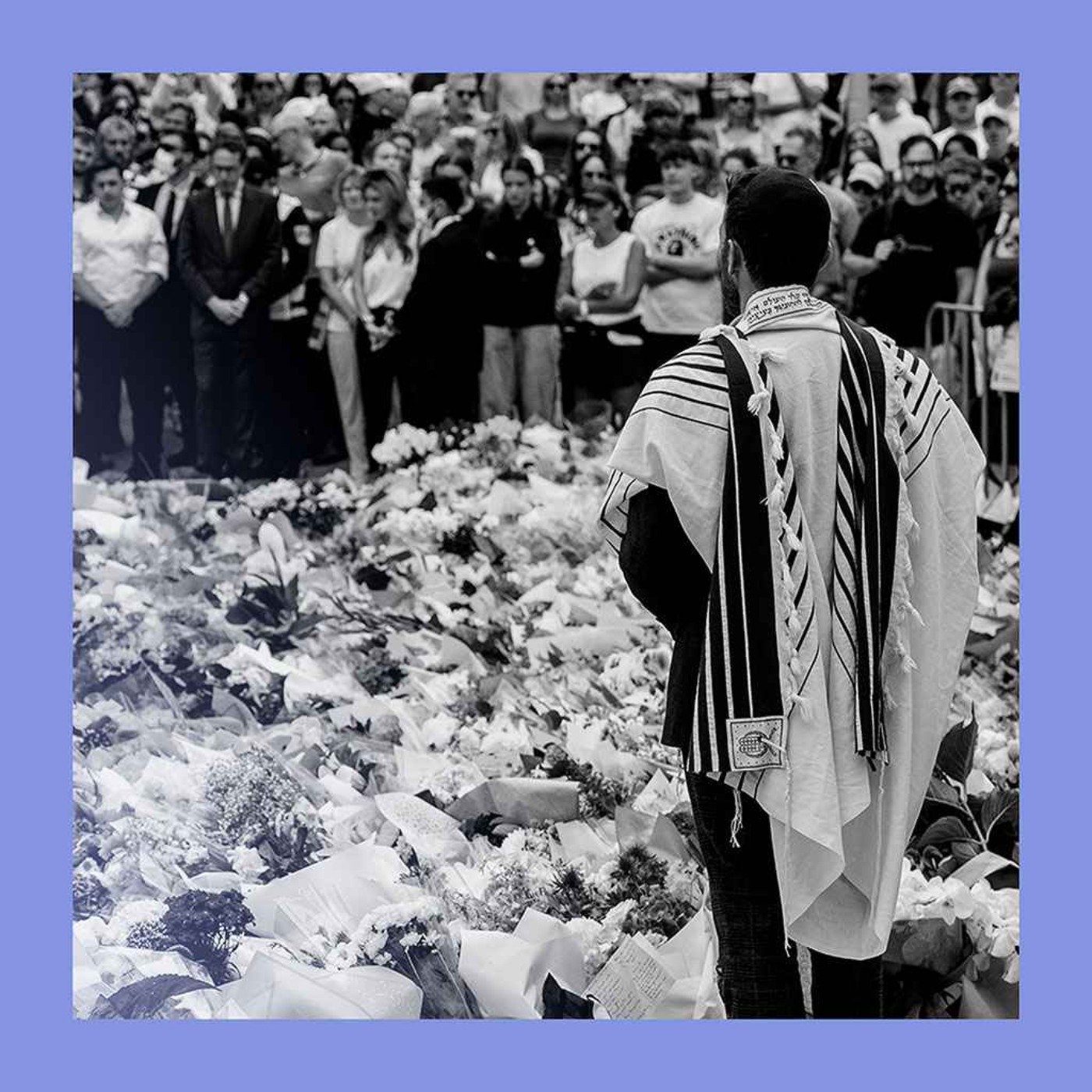
The Bondi Beach attack exemplifies a trend where individuals, while not part of a local cell, are inspired and sometimes trained by global terror groups like ISIS. This model of indirect incitement makes such attacks difficult for security services to predict or prevent, posing a significant global threat.
Critics of the pace of Western aid often fall for a 'magic wand' theory, failing to appreciate the immense, time-consuming effort required to build the entire security assistance enterprise. This includes logistics, training pipelines, and maintenance systems, which cannot be created overnight.

Mali, Burkina Faso, and Niger—the three countries most impacted by jihadism—declined to participate in a major US-led training exercise. This boycott signals a significant geopolitical shift away from Western security partnerships and towards Russia.