Get your free personalized podcast brief
We scan new podcasts and send you the top 5 insights daily.
Feeling exposed by a US they perceive as prioritizing Israel's defense, Gulf states are pursuing a "portfolio approach" to security. This involves creating smaller, multi-country defense pacts with nations like Pakistan, Turkey, and South Korea to build resilience beyond their traditional alliance with Washington.

Related Insights
Countries like the UAE and Saudi Arabia are ambivalent about US military action. Their primary fear is not a full-scale war, but a limited 'hit-and-run' strike where the US attacks and then diverts attention, leaving them 'naked and vulnerable' to Iranian retaliation without a long-term American security presence.

America's unpredictable, "law of the jungle" approach doesn't embolden adversaries like Russia or China, who already operate this way. Instead, it forces traditional allies (Canada, Europe, Japan) to hedge their bets, decouple their interests, and reduce reliance on an unreliable United States for upholding international law.

In response to America's predatory and unpredictable policies, allies are not just complaining; they are actively diversifying their economic relationships to reduce their vulnerability. This is seen in new trade deals like EU-Mercosur and Canada-Indonesia, which consciously bypass the US to build resilience.
With the U.S. stepping back from its traditional leadership role, European countries are creating new, direct alliances to ensure their own security. A notable example is the emerging UK-Scandinavia-Baltic-Poland axis, which signals a fundamental shift in the continent's geopolitical architecture away from a singular reliance on Washington.

Contrary to common assumptions, the Gulf Cooperation Council (GCC) states have a higher density of advanced air defense systems, like Patriot and THAAD, than European NATO members on a per capita and per-kilometer basis. This highlights a significant shift in regional military investment and preparedness away from traditional Western powers.
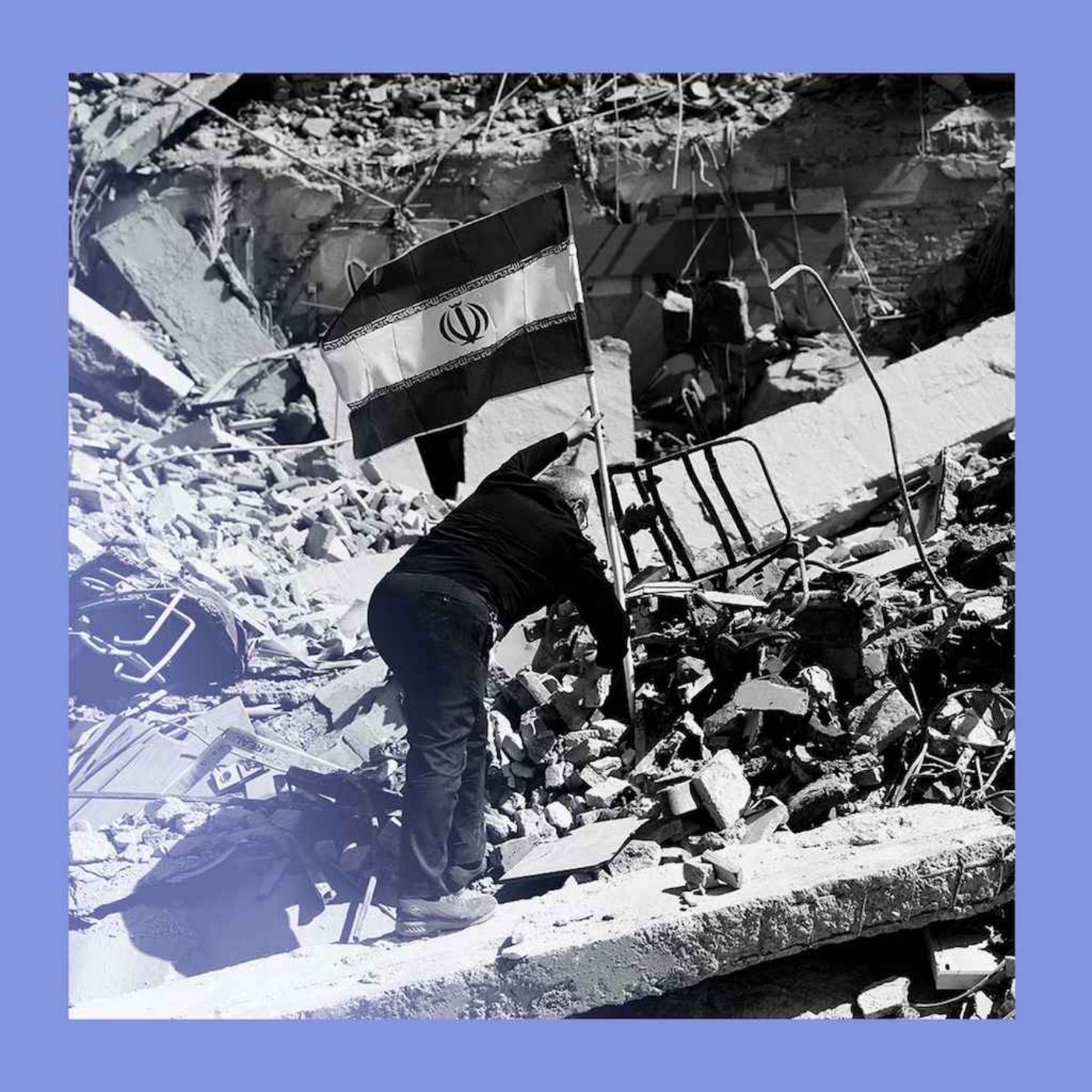
The primary concern for Gulf nations is the "day after" a US-led conflict. They fear a scenario where the US declares victory and departs, leaving them to deal with a weakened but still dangerous and vengeful Iranian regime, similar to Saddam Hussein's Iraq after 1991.
Iran's attempt to sow regional instability by attacking nine Arab countries backfired. Instead of creating chaos, these militarily insignificant 'pinprick' attacks eliminated neutrality and pushed Gulf states to fully support the US-Israeli mission against Iran, viewing it as a necessary response.
Countries are rapidly increasing defense spending due to global instability and the US's shifting role. Massive backlogs for US equipment, like a reported 15-year wait for Patriot missiles, are forcing allies to invest in domestic production and R&D for assured supply.

The US cannot secure the Strait of Hormuz alone. The solution is a US-led military convoy that includes allies like Japan and South Korea, and even unconventional partners like China, who are heavily dependent on the oil route. This international presence creates a stronger deterrent and shares the burden.
Gulf nations do not simply align with Israel against Iran. They perceive Israel's increasing military aggression as a destabilizing force, just as they do Iran's actions. They feel caught between two dangerous and unpredictable actors, with both threatening their national interests and economic diversification plans.