Ghana's stability in a volatile region may not stem from strong governance but from an unspoken agreement with jihadist groups. They reportedly use Ghana as a market for resources like fuel and a safe place for their families, choosing not to attack a country that serves their logistical needs, creating a precarious peace.
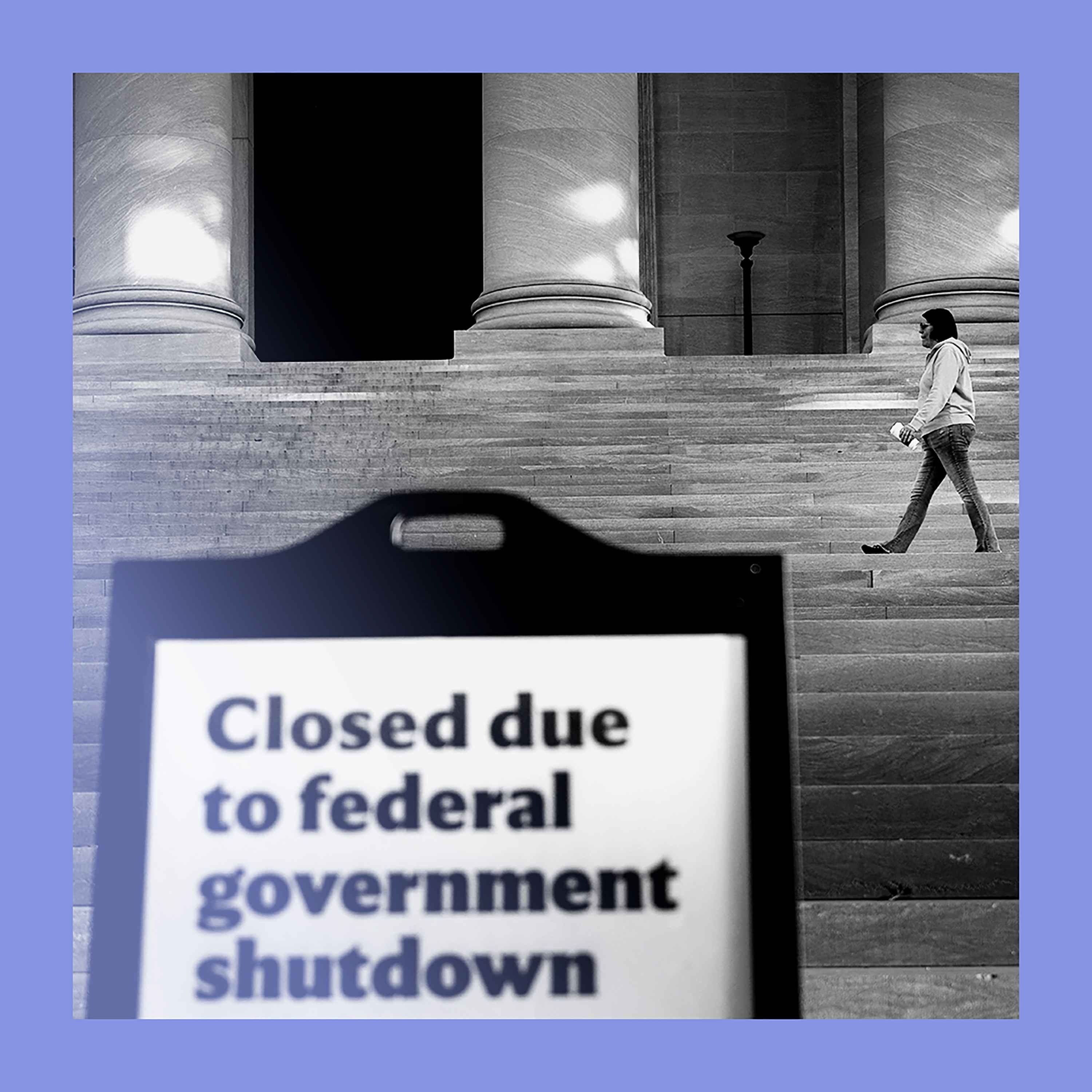
A major government shutdown was made "oddly tolerable" and politically sustainable because the administration creatively repurposed funds to keep key services paid. This selective funding of the military and homeland security masked the shutdown's full extent, reducing immediate public pressure for a resolution and allowing the impasse to continue.
Unlike its neighbors, Ghana's "entrenched duopoly" of two hyper-competitive political parties provides a non-violent outlet for youth discontent. This political structure channels the frustrations of marginalized young people, even in poorer regions, into voting and party activism rather than recruitment by violent extremist groups.
The bottled water industry's shift to premium, flavored beverages is driven by environmental crises, not just marketing. Climate change effects like floods, droughts, and pollution are contaminating natural springs, making it harder to source clean mineral water and forcing a strategic pivot to less regulated, higher-margin products.