Get your free personalized podcast brief
We scan new podcasts and send you the top 5 insights daily.
A listener was "haunting me for almost a decade" by the secret of being caught on a security camera. When she finally confessed, no one cared. This illustrates the "spotlight effect," where we overestimate how much others care about our actions, leading to disproportionate internal distress over secrets.
Related Insights
A marketer reveals a major error from early in their career for the first time on the podcast. The memory still brings back palpable feelings of "anxiety and dread," showing the long-term psychological weight of professional mistakes, even when there are no negative consequences.

In studies, participants preferred to hire or date people who admitted to negative acts (e.g., being reprimanded) over those who chose a "decline to answer" option. The act of conspicuous concealment is perceived as a fundamental breach of trust that is judged more harshly than the disclosed flaw itself.
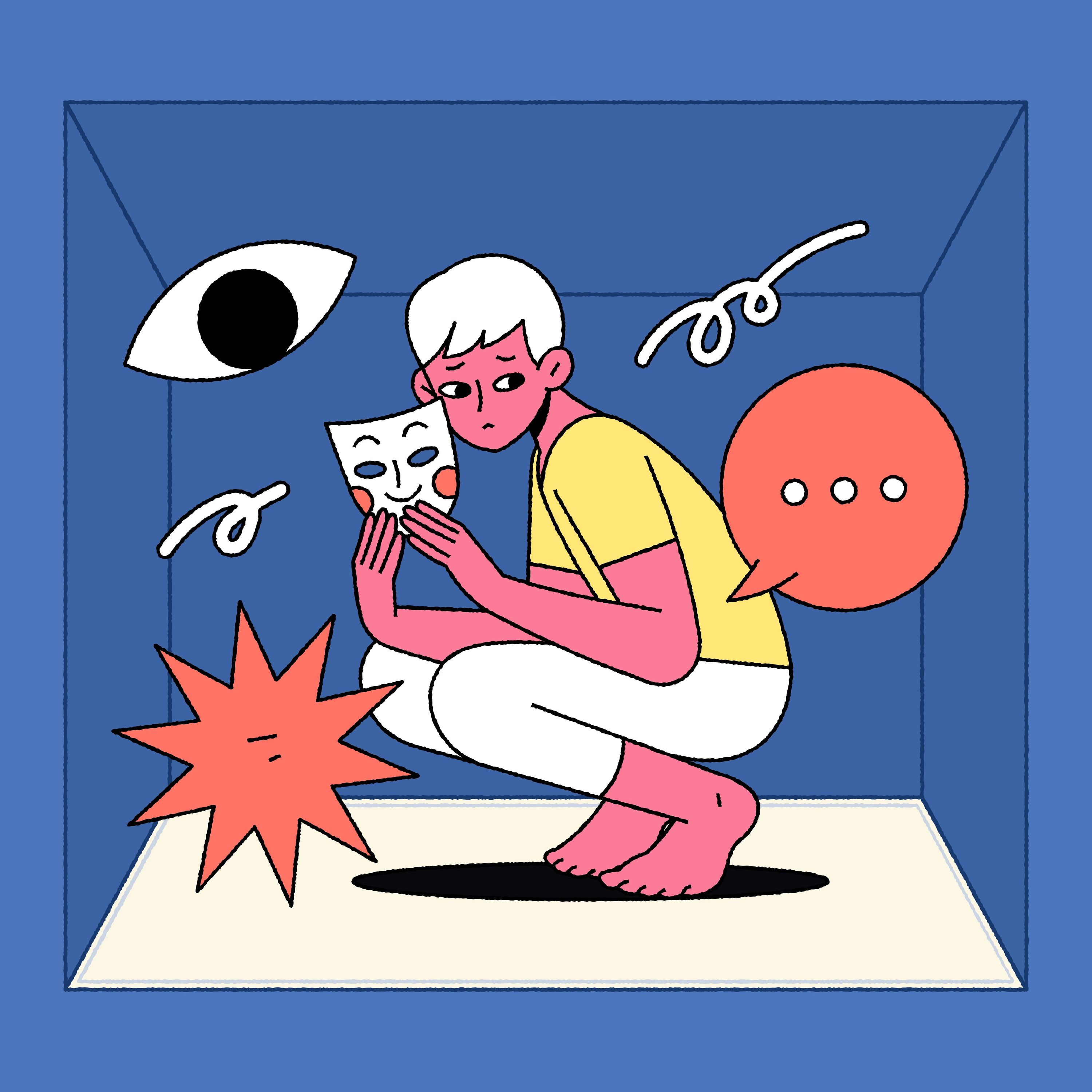
In disclosure dilemmas, we fixate on the immediate risks of speaking up (e.g., seeming petty). However, the often-ignored risks of staying silent—such as festering resentment and preventing others from truly knowing you—can be far more damaging in the long run.

Leslie John suggests analyzing the purpose behind revealing a secret. If the primary driver is simply to alleviate one's own guilt, the act can become a selfish transfer of burden onto the other person. A more constructive motive is a genuine desire to understand and improve the relationship.
Across life, people overwhelmingly regret the things they *didn't* do (76% of regrets), not the things they did. This applies directly to communication; one of the top five regrets of the dying is "I wish I had expressed my feelings more." The long-term pain of unsaid words outweighs the short-term fear of sharing.

Secrecy is not a passive act but an active process of constant mental monitoring. This cognitive burden increases stress hormones like cortisol and consumes significant mental bandwidth. Studies show this preoccupation can literally take away brain space, resulting in temporarily lower performance on IQ tests.
Because secrets are inherently invisible, we only see our own. This creates a psychological bias where we falsely assume we are the only ones harboring shameful thoughts or experiences. This isolation amplifies the burden of our secrets, a feeling that is often exacerbated by the curated perfection seen on social media.
The immediate regret felt after sharing something deeply personal is common but often misplaced. Psychologist Leslie John's most embarrassing story, initially a source of anxiety, ultimately became a cornerstone for key professional mentorships and friendships.
People get trapped by self-doubt, believing others are judging them. The reality is most people are focused on themselves. Understanding that both extreme self-confidence and crippling insecurity are internal fabrications can break the cycle of negative self-talk.
Psychologist Leslie John explains that our default is to focus solely on the potential negative outcomes of sharing (rejection, conflict). We rarely consider the costs of concealment (stress, poor relationships, anxiety), leading to a biased decision-making process that favors secrecy, often unconsciously.