Psychological research reveals a clear pattern in regret. We immediately regret actions we took that turned out poorly ("sins of commission"). However, over a lifetime, our most profound regrets stem from what we failed to do, such as not expressing our feelings—these "sins of omission" create lingering "what if" scenarios.
In studies, participants preferred to hire or date people who admitted to negative acts (e.g., being reprimanded) over those who chose a "decline to answer" option. The act of conspicuous concealment is perceived as a fundamental breach of trust that is judged more harshly than the disclosed flaw itself.
Jennifer's mother encouraged her to marry by sharing her own pre-wedding doubts but omitted that her marriage was open. This crucial half-truth gave false comfort, leading Jennifer into a marriage that ended in divorce. The incident shows how concealment by omission can be more deceptive and harmful than saying nothing at all.
As many as 80% of patients hide information from their doctors due to shame. This can have life-threatening consequences, with documented cases of patients nearly undergoing unnecessary appendectomies to avoid admitting drug use or risking fatal bleeding rather than disclosing the use of weight-loss supplements.
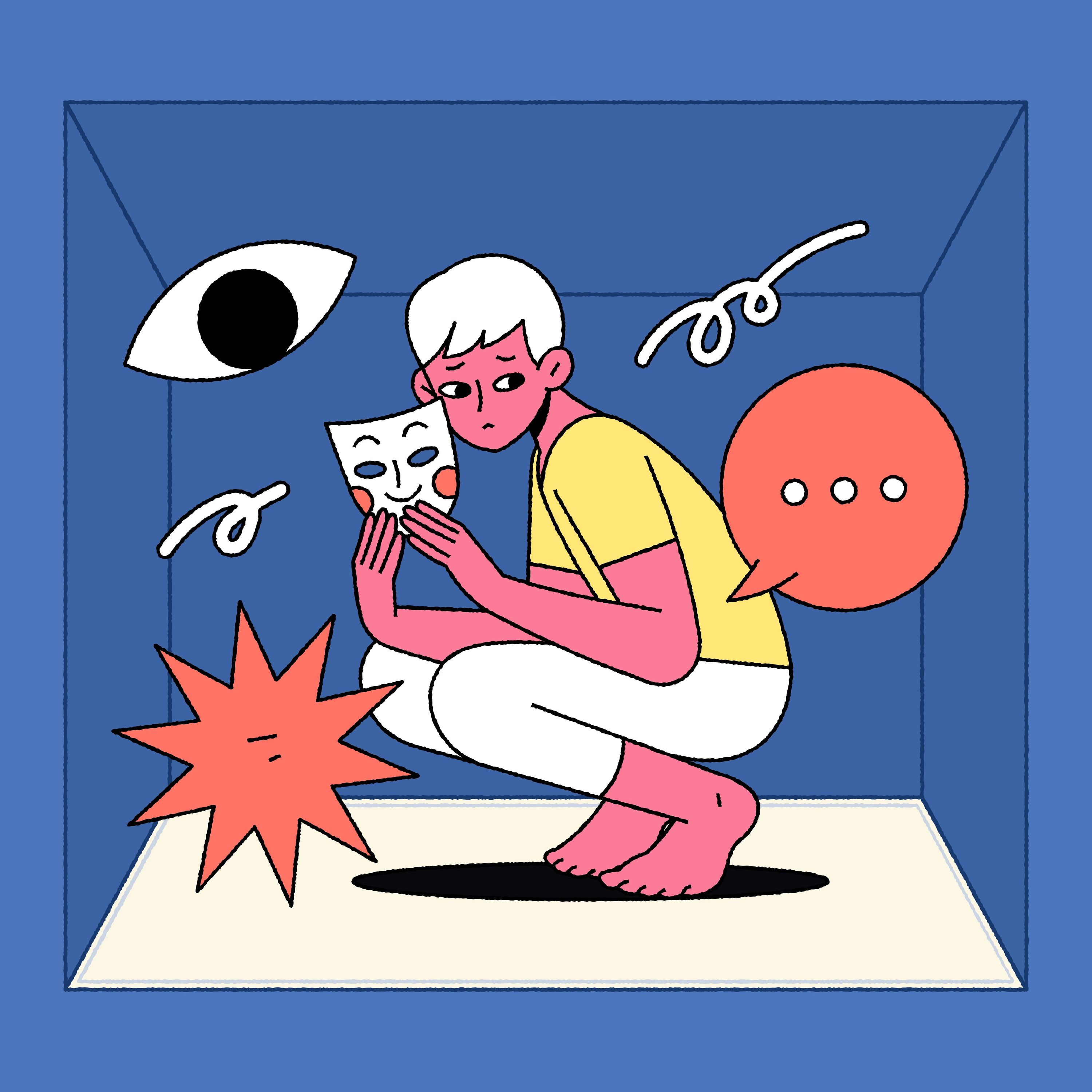
Secrecy is not a passive act but an active process of constant mental monitoring. This cognitive burden increases stress hormones like cortisol and consumes significant mental bandwidth. Studies show this preoccupation can literally take away brain space, resulting in temporarily lower performance on IQ tests.
When a scholar on the job market admitted exhaustion to a peer in an elevator, he responded with professional posturing instead of reciprocating. This "reciprocity fail" shut down the potential for connection and left a lasting negative impression years later, highlighting how crucial mutual self-disclosure is, even in minor interactions.
Because secrets are inherently invisible, we only see our own. This creates a psychological bias where we falsely assume we are the only ones harboring shameful thoughts or experiences. This isolation amplifies the burden of our secrets, a feeling that is often exacerbated by the curated perfection seen on social media.