Get your free personalized podcast brief
We scan new podcasts and send you the top 5 insights daily.
Psychologist Leslie John explains that our default is to focus solely on the potential negative outcomes of sharing (rejection, conflict). We rarely consider the costs of concealment (stress, poor relationships, anxiety), leading to a biased decision-making process that favors secrecy, often unconsciously.
Related Insights
In studies, participants preferred to hire or date people who admitted to negative acts (e.g., being reprimanded) over those who chose a "decline to answer" option. The act of conspicuous concealment is perceived as a fundamental breach of trust that is judged more harshly than the disclosed flaw itself.
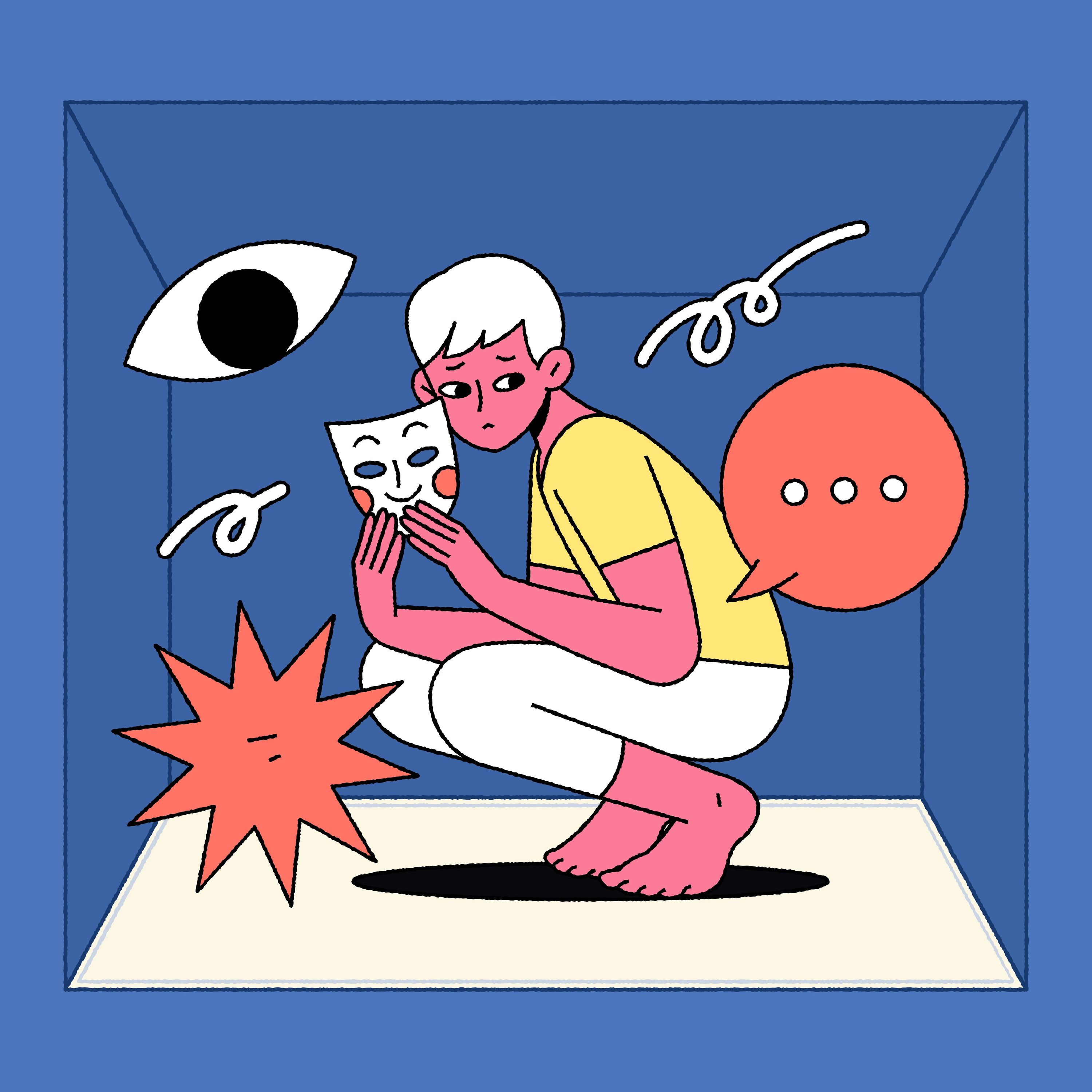
In disclosure dilemmas, we fixate on the immediate risks of speaking up (e.g., seeming petty). However, the often-ignored risks of staying silent—such as festering resentment and preventing others from truly knowing you—can be far more damaging in the long run.

Leslie John suggests analyzing the purpose behind revealing a secret. If the primary driver is simply to alleviate one's own guilt, the act can become a selfish transfer of burden onto the other person. A more constructive motive is a genuine desire to understand and improve the relationship.
Across life, people overwhelmingly regret the things they *didn't* do (76% of regrets), not the things they did. This applies directly to communication; one of the top five regrets of the dying is "I wish I had expressed my feelings more." The long-term pain of unsaid words outweighs the short-term fear of sharing.

The fear of loss is stronger than the attraction to gain. This "loss aversion" explains why people hesitate to initiate positive gestures, like smiling at a stranger in an elevator. They are willing to sacrifice an almost certain positive reciprocal outcome (98% chance) to protect against a tiny risk of looking foolish (2% chance).
![Charlie Munger and The Psychology of Human Misjudgement [Outliers] thumbnail](https://megaphone.imgix.net/podcasts/ffb628d4-c418-11f0-acd7-b3217b3943c4/image/37067138e685dc4ea5d98531397f6711.png?ixlib=rails-4.3.1&max-w=3000&max-h=3000&fit=crop&auto=format,compress)
We make hundreds of "disclosure decisions" daily, with most thoughts and feelings going unsaid. The key shift is to recognize that not speaking is still a choice. Viewing silence as an active decision opens up awareness of how much more could be shared to strengthen connections.
While people fear the social awkwardness of revealing too much (TMI), author Leslie John argues the real culprit behind stalled relationships and lack of trust is undersharing (TLI). This default to silence causes more significant, often invisible, problems than occasional oversharing.

In families or organizations, "unspoken" topics persist because individuals wrongly assume everyone else prefers silence. Leslie John notes that one person "testing the waters" can cause a cascade of relief, as others often feel the same but fear being the first to speak, breaking the false consensus.
The immediate regret felt after sharing something deeply personal is common but often misplaced. Psychologist Leslie John's most embarrassing story, initially a source of anxiety, ultimately became a cornerstone for key professional mentorships and friendships.
We are culturally conditioned to fear saying "Too Much Information" (TMI). However, research shows the more significant issue is "Too Little Information" (TLI), where silence and holding back cause relationships to wither from a lack of connection and understanding.