Get your free personalized podcast brief
We scan new podcasts and send you the top 5 insights daily.
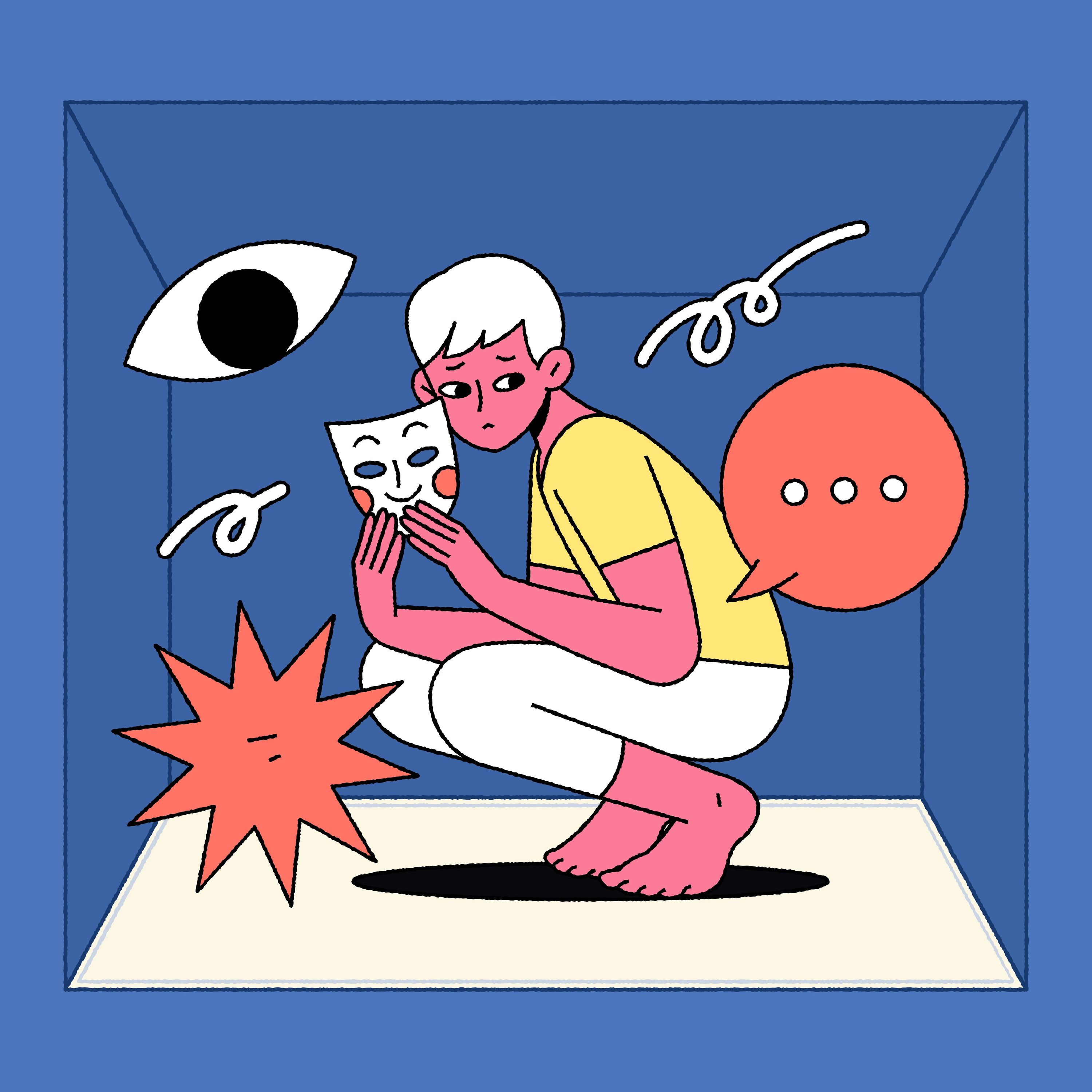
Because secrets are inherently invisible, we only see our own. This creates a psychological bias where we falsely assume we are the only ones harboring shameful thoughts or experiences. This isolation amplifies the burden of our secrets, a feeling that is often exacerbated by the curated perfection seen on social media.
Related Insights
Psychologist Thomas Curran traces his own perfectionism to feelings of inadequacy from his working-class youth. This drive to be flawless is less about achievement and more about “buying your way out of shame” and proving one's worth to overcome feelings of inferiority.

The belief that strength means hiding struggles is a misconception. This performance of perfection doesn't build resilience; it builds walls, leading to isolation and suffering. True strength and connection are found in vulnerability and the courage to admit you don't have it all figured out.

Hiding what you believe is broken about you (anxiety, shyness) is a barrier to love. The counterintuitive key to connection is sharing these vulnerabilities. It signals authenticity and gives others a chance to connect with the real you, realizing that they have similar struggles.

We judge ourselves based on our chaotic, unfiltered internal monologue while judging others by their curated external presentation. This massive data imbalance fosters the false belief that we are uniquely strange or broken, damaging our self-esteem.

A core paradox of perfectionism is that the behaviors used to gain acceptance—such as curating a flawless image, promoting oneself, or hiding vulnerabilities—are precisely what make others pull back. This self-defeating strategy ensures the loneliness and disconnection the perfectionist fears most, creating a tragic feedback loop.
A study showed people who believed they had a facial scar perceived others as unfriendly, even though the scar was secretly removed. This reveals we don't react to the world as it is, but to the reality our self-image prepares us to see, often through confirmation bias.

A key reason biases persist is the 'bias blind spot': the tendency to recognize cognitive errors in others while failing to see them in ourselves. This overconfidence prevents individuals from adopting helpful decision-making tools or choice architecture, as they instinctively believe 'that's them, not me.'

People get trapped by self-doubt, believing others are judging them. The reality is most people are focused on themselves. Understanding that both extreme self-confidence and crippling insecurity are internal fabrications can break the cycle of negative self-talk.
We constantly see the results of others' success (bestsellers, promotions) but not the mundane daily process (writing 500 words, eating a salad). This visibility gap causes us to overvalue outcomes and undervalue our own daily efforts, leading to harsh self-judgment.

'Pluralistic ignorance' is when we privately believe one thing but think everyone else believes the opposite. We feel stuck but see others' curated successes, leading us to feel isolated in our struggles. The solution is to realize most people feel the same way.