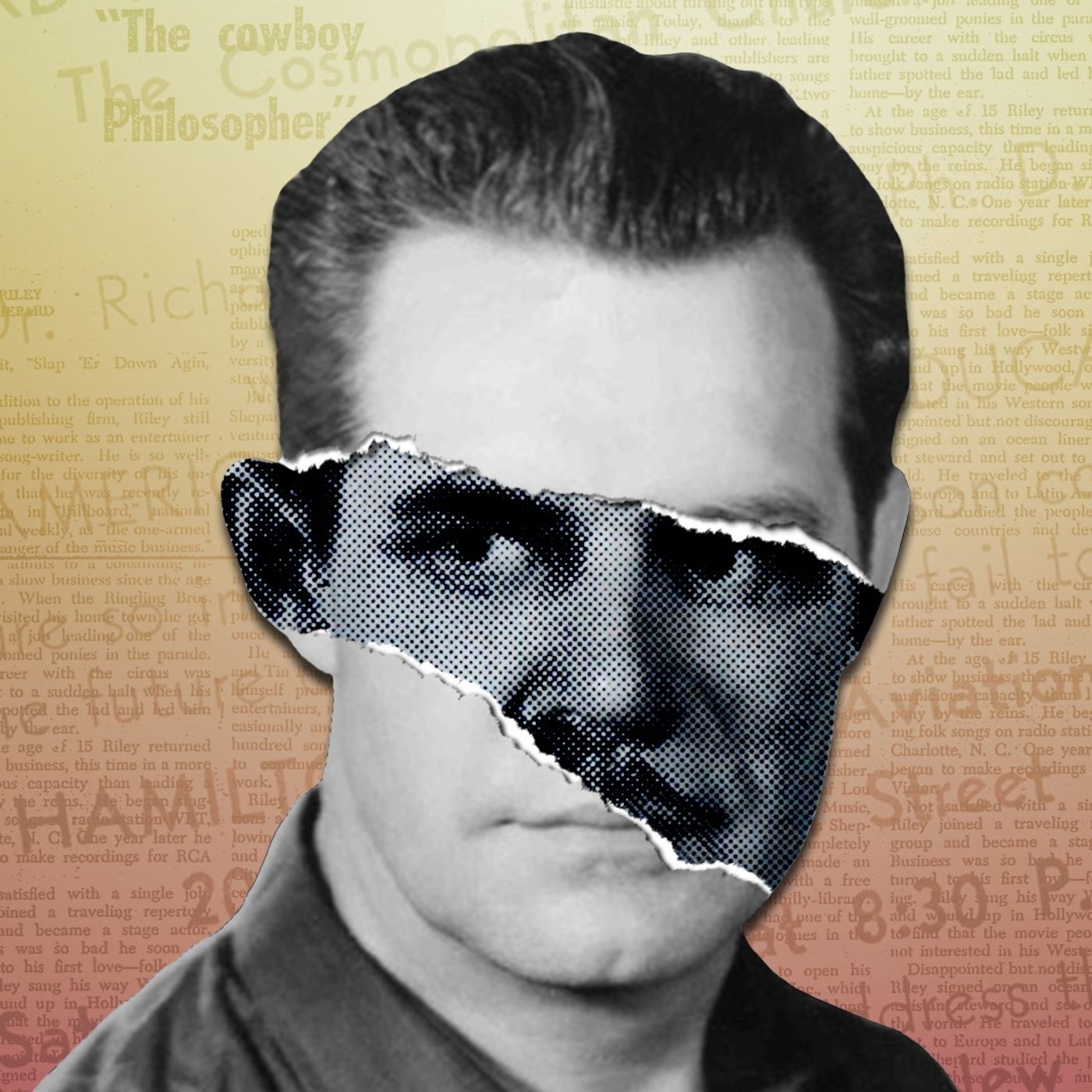
Riley Shepherd's folk music encyclopedia, created without computers, required him to manually cross-reference 43,000 songs. A folklorist noted the entire complex system lived "largely inside his own head," a feat of mental organization that highlights the cognitive demands of ambitious analog-era scholarship.
In families or organizations, "unspoken" topics persist because individuals wrongly assume everyone else prefers silence. Leslie John notes that one person "testing the waters" can cause a cascade of relief, as others often feel the same but fear being the first to speak, breaking the false consensus.
The goal isn't to share everything. Psychologist Leslie John argues that effective communicators have "disclosure flexibility"—the ability to range from complete openness with a spouse to guardedness in a high-stakes negotiation. It’s about having a wide range and choosing the appropriate level of transparency for the context.
Psychologist Leslie John explains that our default is to focus solely on the potential negative outcomes of sharing (rejection, conflict). We rarely consider the costs of concealment (stress, poor relationships, anxiety), leading to a biased decision-making process that favors secrecy, often unconsciously.
A credit card company that disclosed negative aspects, like high interest rates, in its marketing found this "anti-marketing" approach enhanced trust and increased customer lifetime value. This demonstrates that corporate transparency can mirror the trust-building effects of personal vulnerability.
A listener was "haunting me for almost a decade" by the secret of being caught on a security camera. When she finally confessed, no one cared. This illustrates the "spotlight effect," where we overestimate how much others care about our actions, leading to disproportionate internal distress over secrets.
Leslie John suggests analyzing the purpose behind revealing a secret. If the primary driver is simply to alleviate one's own guilt, the act can become a selfish transfer of burden onto the other person. A more constructive motive is a genuine desire to understand and improve the relationship.
Riley Shepherd's encyclopedia was seen as a con by his daughter, who experienced the financial fallout, but as genius by a folklorist. This shows a creator's internal motivation is often detached from a project's external perception or success, which is judged based on its collateral impact.
While many secrets are burdensome, positive secrets—like an inside joke or a surprise party—can be pleasurable. Psychologist Leslie John explains this is because they create a special, shared understanding that reinforces bonds. A study showed playing footsie was more enjoyable when it was kept secret.
Riley Shepherd falsely claimed to have written "Blue Christmas," a famous song. This lie made his daughter, Stasha, jaded and skeptical of his true life's work, the folk encyclopedia. This shows how fabricating minor successes can cast doubt on and devalue one's legitimate, monumental achievements.