Get your free personalized podcast brief
We scan new podcasts and send you the top 5 insights daily.
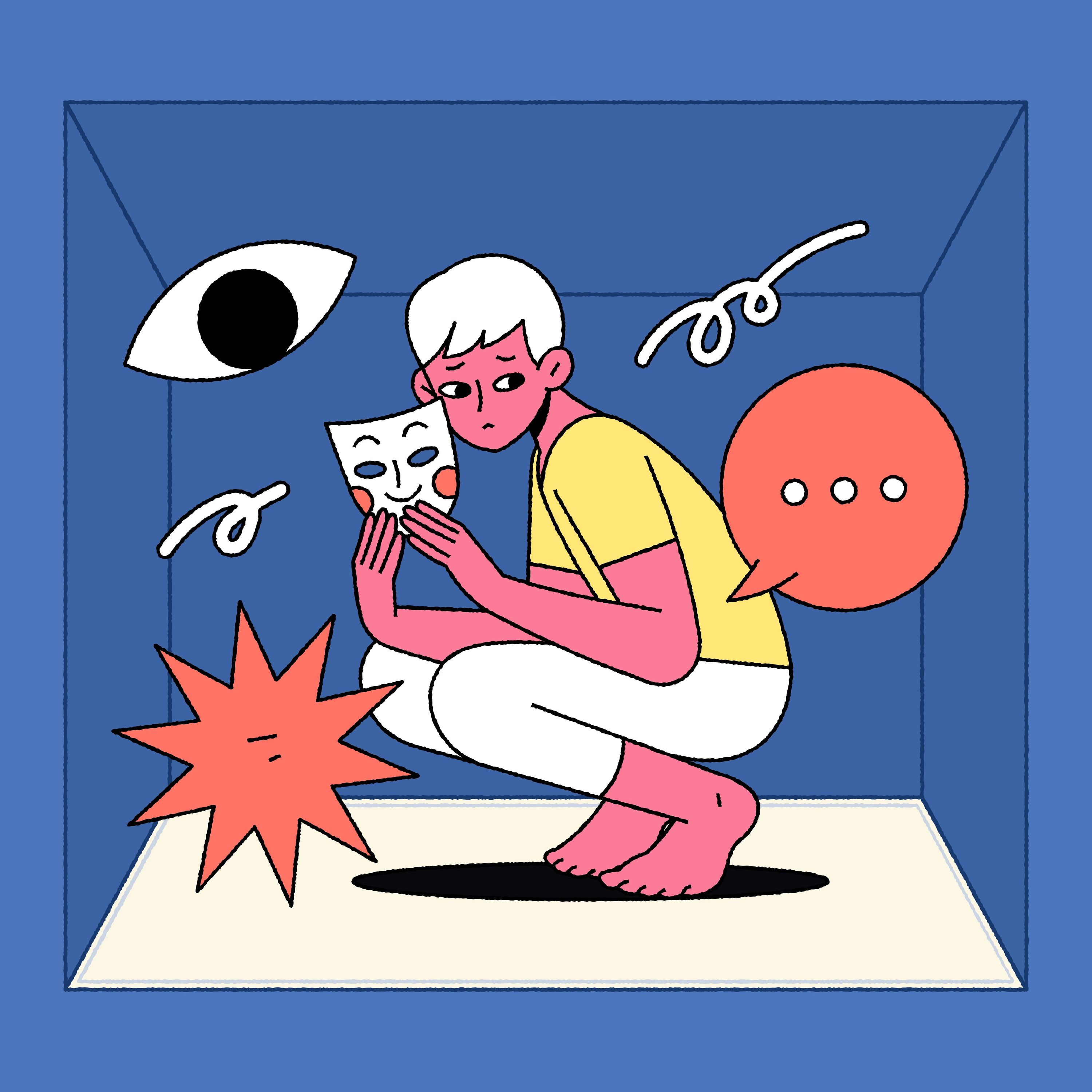
Secrecy is not a passive act but an active process of constant mental monitoring. This cognitive burden increases stress hormones like cortisol and consumes significant mental bandwidth. Studies show this preoccupation can literally take away brain space, resulting in temporarily lower performance on IQ tests.
Related Insights
The nature of espionage requires officers to be professional liars, a skill that erodes trust in their personal lives. This constant deception and secrecy makes maintaining a healthy marriage nearly impossible, resulting in the highest divorce rate of any U.S. government entity.

Small lies can snowball into major fraud because the brain habituates to the act of lying. With each lie, the emotional centers of the brain that signal negative feelings respond less strongly. This reduction in guilt or discomfort removes the natural barrier to escalating dishonesty.

Counterintuitively, the brain's most relaxed state is not during passive rest but during intense focus on a single activity. Engaging in challenging hobbies that require full concentration is a more effective way to decompress and manage stress than traditional relaxation.

High-stakes mental tasks are physically taxing; a top chess player can burn 600 calories sitting at a board. Physical conditioning is not just for athletes; it directly builds gray matter and enhances executive function, providing the stamina needed to make good decisions under cognitive stress in a professional environment.
Stress puts the brain in a high-alert, incoherent state where different regions fire out of order. This mental "static" prevents you from creating a strong, clear intention, effectively blocking your ability to attract desired outcomes and making your brain worse over time.

The brain's deliberative "Pause & Piece Together" system is suppressed by stress, which boosts the impulsive "Pursue" (reward) and "Protect" (threat) systems. This neurological process explains why we make rash choices when tired or under pressure.
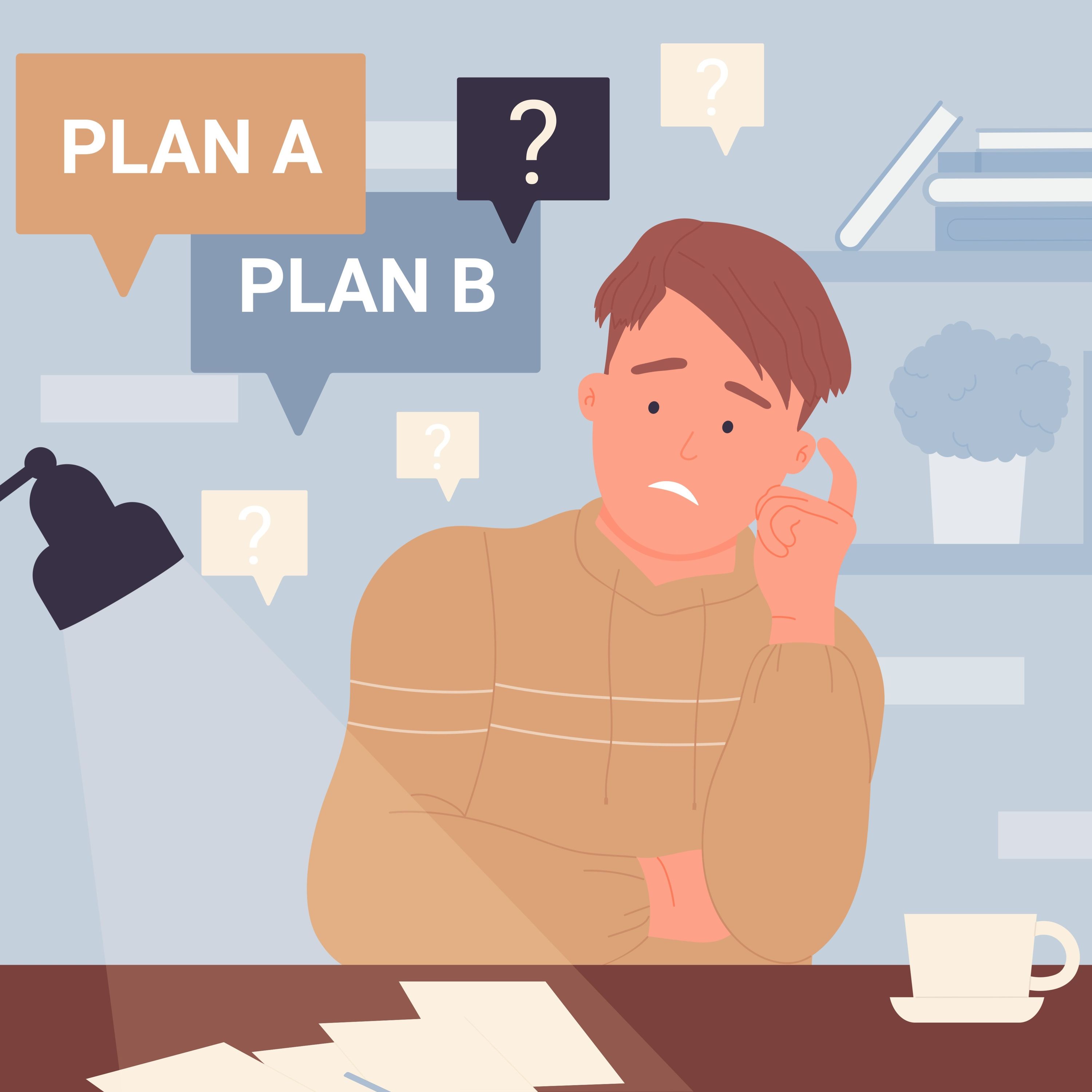
The idea of a single 'general intelligence' or IQ is misleading because key cognitive abilities exist in a trade-off. For instance, the capacity for broad exploration (finding new solutions) is in tension with the capacity for exploitation (efficiently executing known tasks), which schools and IQ tests primarily measure.

The inability to recall the perfect anecdote or fact in a high-pressure situation is not a memory failure. It is a mental "clench" that blocks the flow of information from your "library of experiences." The solution is counterintuitive: relax through focused breathing to unconstrict the mental funnel, allowing ideas to surface naturally.

In high-stress situations, attentional resources are depleted. Attempting to force a positive reframe ("this is exciting, not scary") is cognitively expensive and can degrade performance further. A mindful, non-judgmental acceptance of the situation is less taxing and more effective at preserving cognitive function.

The damage from frequent distractions like checking stock apps isn't the time spent on the task itself. It's the 'cognitive residue' and 'switching costs' that follow. A quick glance can disrupt deep focus for 15-17 minutes, making these seemingly minor habits incredibly costly to productivity and complex problem-solving.
