Get your free personalized podcast brief
We scan new podcasts and send you the top 5 insights daily.
Across life, people overwhelmingly regret the things they *didn't* do (76% of regrets), not the things they did. This applies directly to communication; one of the top five regrets of the dying is "I wish I had expressed my feelings more." The long-term pain of unsaid words outweighs the short-term fear of sharing.

Related Insights
The biggest professional and personal problems often stem from a lack of candor. Withholding honest feedback to "keep the peace" is a destructive act that enables bad behavior and builds personal resentment over time. Delivering the truth, even when difficult, is a gift that addresses problems head-on and prevents future failure.

In disclosure dilemmas, we fixate on the immediate risks of speaking up (e.g., seeming petty). However, the often-ignored risks of staying silent—such as festering resentment and preventing others from truly knowing you—can be far more damaging in the long run.

Psychological research reveals a clear pattern in regret. We immediately regret actions we took that turned out poorly ("sins of commission"). However, over a lifetime, our most profound regrets stem from what we failed to do, such as not expressing our feelings—these "sins of omission" create lingering "what if" scenarios.
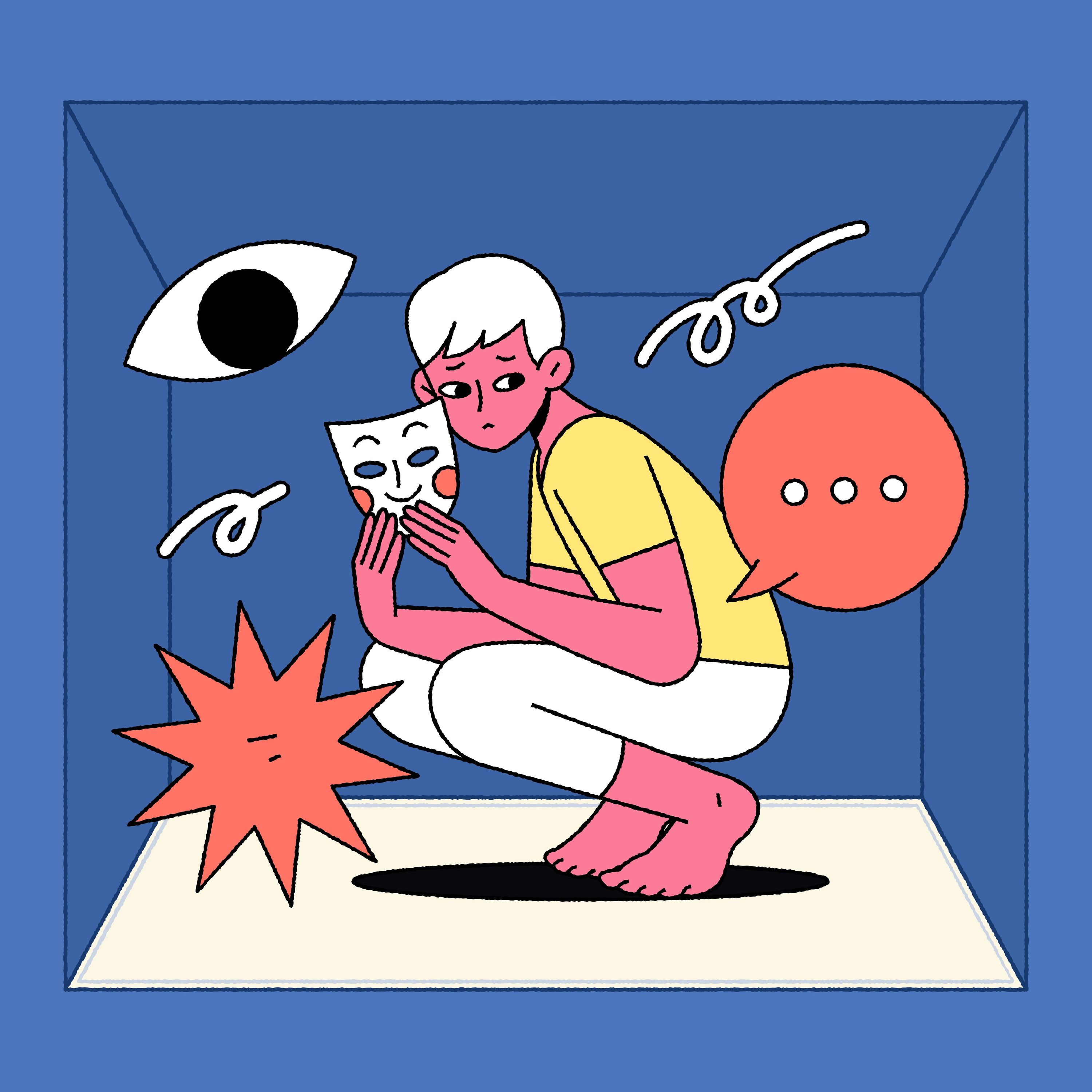
The fear you feel before saying something difficult is a signal of its importance. Avoiding that conversation means you are prioritizing an imagined negative reaction over your own truth and the health of the connection. This avoidance is what allows resentment to build and ultimately damages relationships and organizations.

End-of-life regrets often stem from things left undone or unsaid. To avoid this, one can regularly use a simple 'final checklist'—a set of powerful questions about one's life, relationships, and priorities. This isn't about cleaning up at the end, but about actively building a life so full that there's nothing left to fix.

We make hundreds of "disclosure decisions" daily, with most thoughts and feelings going unsaid. The key shift is to recognize that not speaking is still a choice. Viewing silence as an active decision opens up awareness of how much more could be shared to strengthen connections.
The speaker contrasts the lasting, painful regret of not acting with the temporary sting of potential failure. Living with unanswered questions ('what ifs') is a 'torture chamber,' while rejection provides closure and allows you to move on. This applies to sales, career moves, and networking opportunities.

Contrary to the belief that closing your heart protects you from pain, the act of closing down is inherently painful. We are conditioned to believe an open heart leads to being taken advantage of, but historical examples and personal experience suggest this correlation is weak. The real pain comes from suppressing forgiveness and connection.
We often avoid difficult conversations by assuming they will go poorly, thereby giving up on our goals before we even start. View communication not as a fixed trait but as a learnable skill. Practicing difficult conversations is the key to unlocking major personal and professional achievements.
We are culturally conditioned to fear saying "Too Much Information" (TMI). However, research shows the more significant issue is "Too Little Information" (TLI), where silence and holding back cause relationships to wither from a lack of connection and understanding.