Get your free personalized podcast brief
We scan new podcasts and send you the top 5 insights daily.
A marketer reveals a major error from early in their career for the first time on the podcast. The memory still brings back palpable feelings of "anxiety and dread," showing the long-term psychological weight of professional mistakes, even when there are no negative consequences.

Related Insights
A host shares a personal story of experiencing panic attacks as a 22-year-old salesperson, which a doctor diagnosed as anxiety from job pressure, isolation, and the desire to perform well. This highlights how physical symptoms can manifest from purely psychological stress in sales.

Making public mistakes feels like a reason to disappear, but it's an opportunity to model resilience. The goal isn't to avoid messing up, but to learn how to handle being wrong, listen without defensiveness, and let your actions rebuild trust.

A marketer explains how a recent ADHD diagnosis retroactively explained a career of mistakes, such as distraction and administrative errors. This reframes events not as personal failings but as manifestations of neurodiversity. Understanding the 'why' behind past struggles can be a powerful tool for self-compassion and future strategy in any professional role.

A marketer ignored a glaring typo on a six-figure exhibition stand. The decision to "bury their head in the sand" paid off, as no one from leadership or the audience noticed. This suggests for certain errors, the cost and attention of a fix can be worse than the actual mistake.
Psychological research reveals a clear pattern in regret. We immediately regret actions we took that turned out poorly ("sins of commission"). However, over a lifetime, our most profound regrets stem from what we failed to do, such as not expressing our feelings—these "sins of omission" create lingering "what if" scenarios.
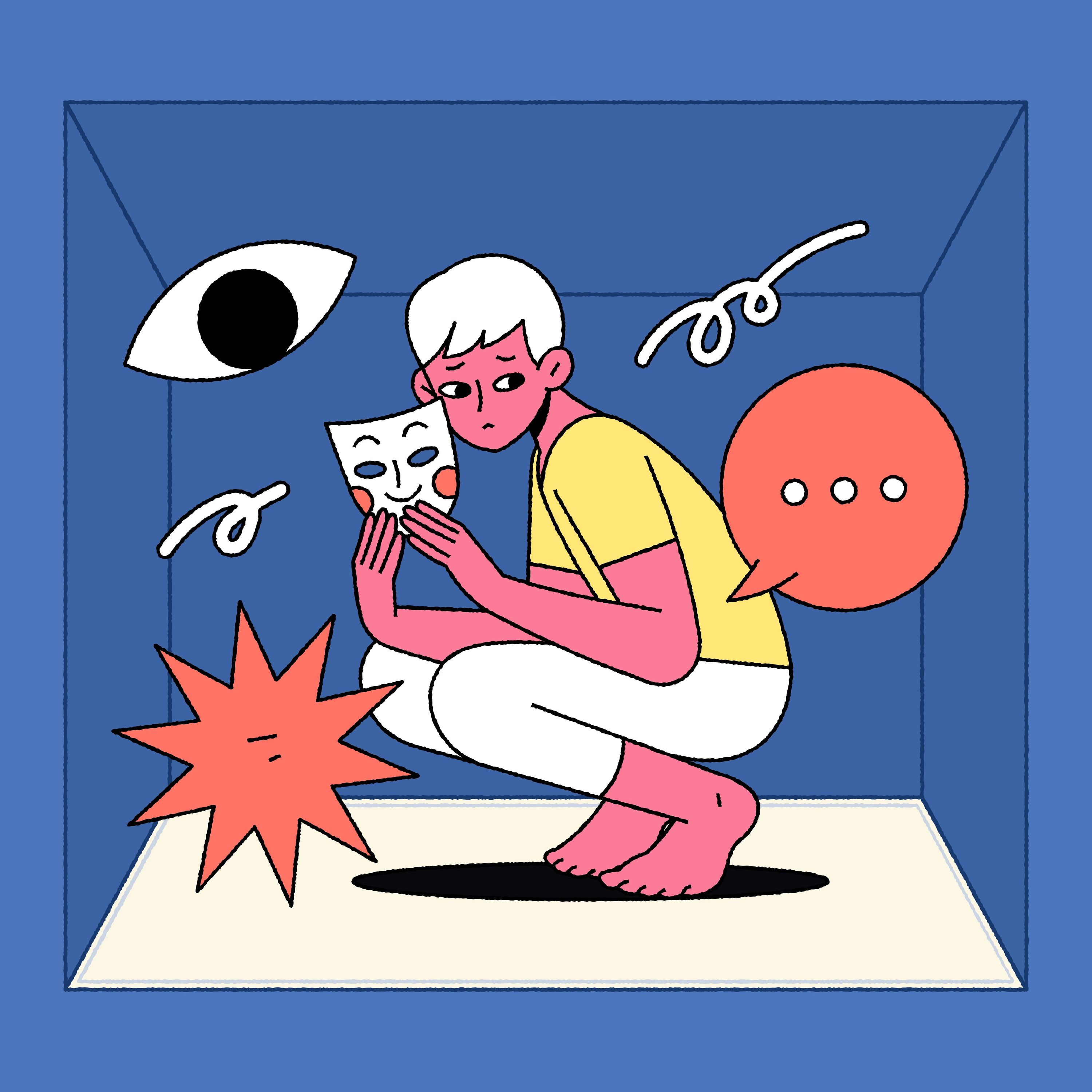
Many people are held back by an intense fear of what others will think of their failures. This fear, often a product of childhood conditioning, prevents them from taking necessary risks. Embracing public failure as a learning process is the key to unlocking potential and reducing anxiety.

The stress and anxiety felt after a sales interaction goes poorly is not a weakness. It signals a high degree of ownership and responsibility—core traits of successful salespeople. Those who feel this pain are more likely to learn, adapt, and ultimately be trusted by clients.

While it's easy to regret known bad decisions, like passing on an investment, the far greater mistakes are the unseen ones. The meeting you canceled or the connection you didn't pursue could have been the pivotal moment of your career. This mindset liberates you from the fear of making visible errors and encourages action.
The immediate regret felt after sharing something deeply personal is common but often misplaced. Psychologist Leslie John's most embarrassing story, initially a source of anxiety, ultimately became a cornerstone for key professional mentorships and friendships.

Don't hide from errors. Steve Munn found that when he made a mistake, taking ownership and handling it well actually enhanced client "stickiness" and deepened the relationship. Clients saw he cared and was accountable, building more trust than if the error never happened.
