Get your free personalized podcast brief
We scan new podcasts and send you the top 5 insights daily.
In disclosure dilemmas, we fixate on the immediate risks of speaking up (e.g., seeming petty). However, the often-ignored risks of staying silent—such as festering resentment and preventing others from truly knowing you—can be far more damaging in the long run.

Related Insights
The biggest professional and personal problems often stem from a lack of candor. Withholding honest feedback to "keep the peace" is a destructive act that enables bad behavior and builds personal resentment over time. Delivering the truth, even when difficult, is a gift that addresses problems head-on and prevents future failure.

In studies, participants preferred to hire or date people who admitted to negative acts (e.g., being reprimanded) over those who chose a "decline to answer" option. The act of conspicuous concealment is perceived as a fundamental breach of trust that is judged more harshly than the disclosed flaw itself.
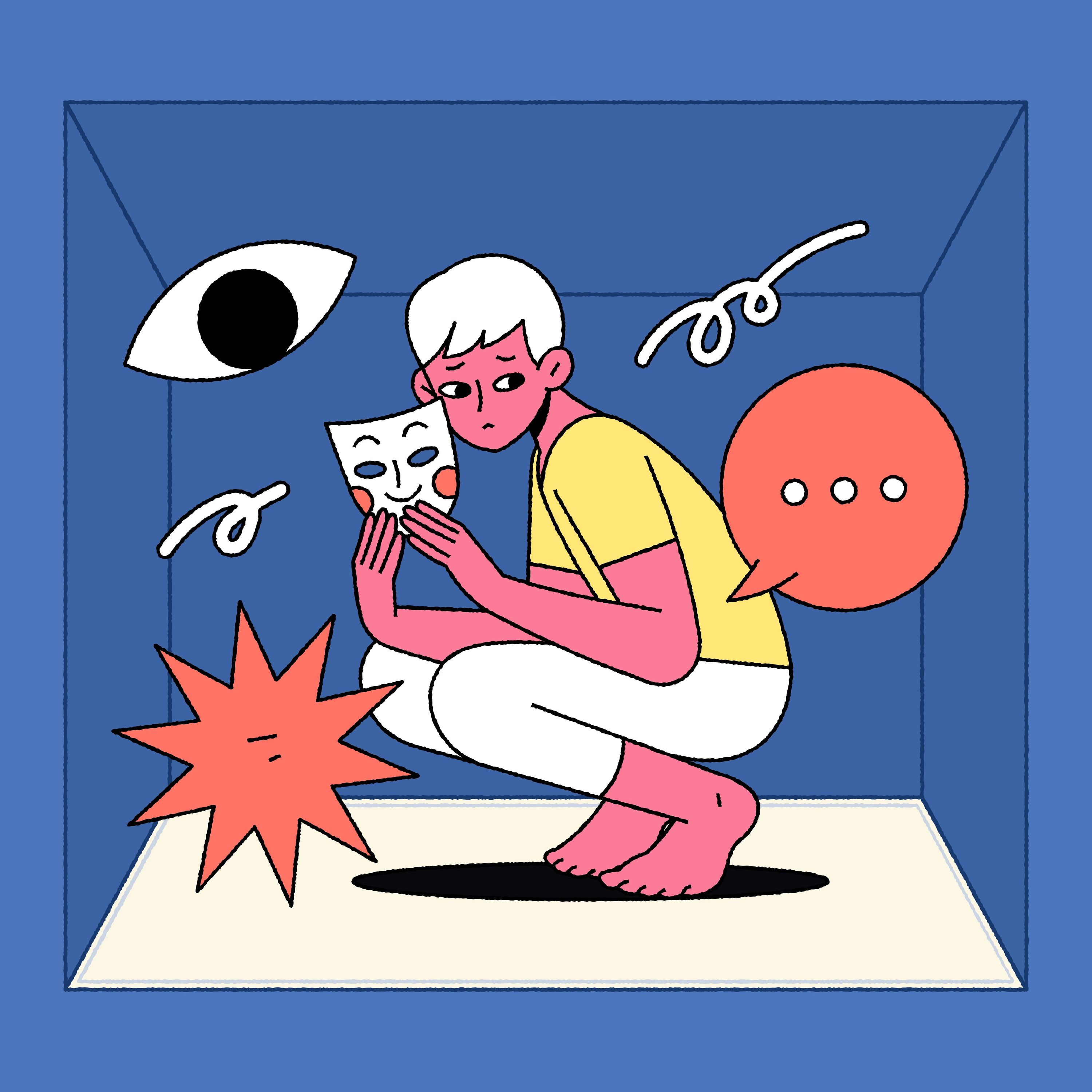
Psychological research reveals a clear pattern in regret. We immediately regret actions we took that turned out poorly ("sins of commission"). However, over a lifetime, our most profound regrets stem from what we failed to do, such as not expressing our feelings—these "sins of omission" create lingering "what if" scenarios.
Jennifer's mother encouraged her to marry by sharing her own pre-wedding doubts but omitted that her marriage was open. This crucial half-truth gave false comfort, leading Jennifer into a marriage that ended in divorce. The incident shows how concealment by omission can be more deceptive and harmful than saying nothing at all.
People who sacrifice their ambitions for parental approval often grow to resent them, creating permanent distance. Facing short-term discomfort is better than a lifetime of regret and a strained relationship.
The fear you feel before saying something difficult is a signal of its importance. Avoiding that conversation means you are prioritizing an imagined negative reaction over your own truth and the health of the connection. This avoidance is what allows resentment to build and ultimately damages relationships and organizations.

When a scholar on the job market admitted exhaustion to a peer in an elevator, he responded with professional posturing instead of reciprocating. This "reciprocity fail" shut down the potential for connection and left a lasting negative impression years later, highlighting how crucial mutual self-disclosure is, even in minor interactions.
The immediate regret felt after sharing something deeply personal is common but often misplaced. Psychologist Leslie John's most embarrassing story, initially a source of anxiety, ultimately became a cornerstone for key professional mentorships and friendships.
Many leaders are candid in broad strokes but fail to have direct, difficult conversations with individuals they personally like. This avoidance stems from a desire not to hurt feelings but inevitably leads to underperformance and greater problems down the line.
Many believe avoiding conflict preserves peace. Psychologist Colette Jane Fair argues this silence is a choice to abandon one's own needs. This behavior prevents your partner from truly understanding you, leading to resentment and disconnection over time, effectively teaching them an incomplete version of who you are.
