Get your free personalized podcast brief
We scan new podcasts and send you the top 5 insights daily.
To combat rampant product knock-offs, Cuban proposes a simple legislative fix: require foreign sellers on platforms like Amazon to post a substantial bond. This would create a financial deterrent to IP theft and a pool of funds that American creators could claim against when their products are copied.
Related Insights
Despite political pushes for American manufacturing, the reality on Amazon's marketplace is the opposite. Chinese sellers' global share grew from 50% to 57% in one year, indicating that platform dynamics and global supply chains are more powerful forces than nationalistic economic policies like tariffs.

Identifying unauthorized sellers on platforms like Amazon is the easy part. Getting them removed requires building a massive, forensic-level data file that documents every instance of violation. This court-ready evidence is necessary to compel platforms to take action against bad actors.

Mark Cuban warns that patenting work makes it public, allowing any AI model to train on it instantly. To maintain a competitive data advantage, he suggests companies should increasingly rely on trade secrets, keeping their valuable IP out of the public domain and away from competitors' models.

Mark Cuban reveals the primary barrier to making generic drugs in the US isn't production cost, which can be cheaper than overseas, but the prohibitive FDA application fees costing hundreds of thousands per drug.

When a competitor copies your product, don't assume a costly legal battle is the only option. For a relatively small investment ($500-$1000), a strongly worded cease-and-desist letter from a lawyer can be surprisingly effective at scaring off a less-resourced opponent, making it a high-leverage initial action.

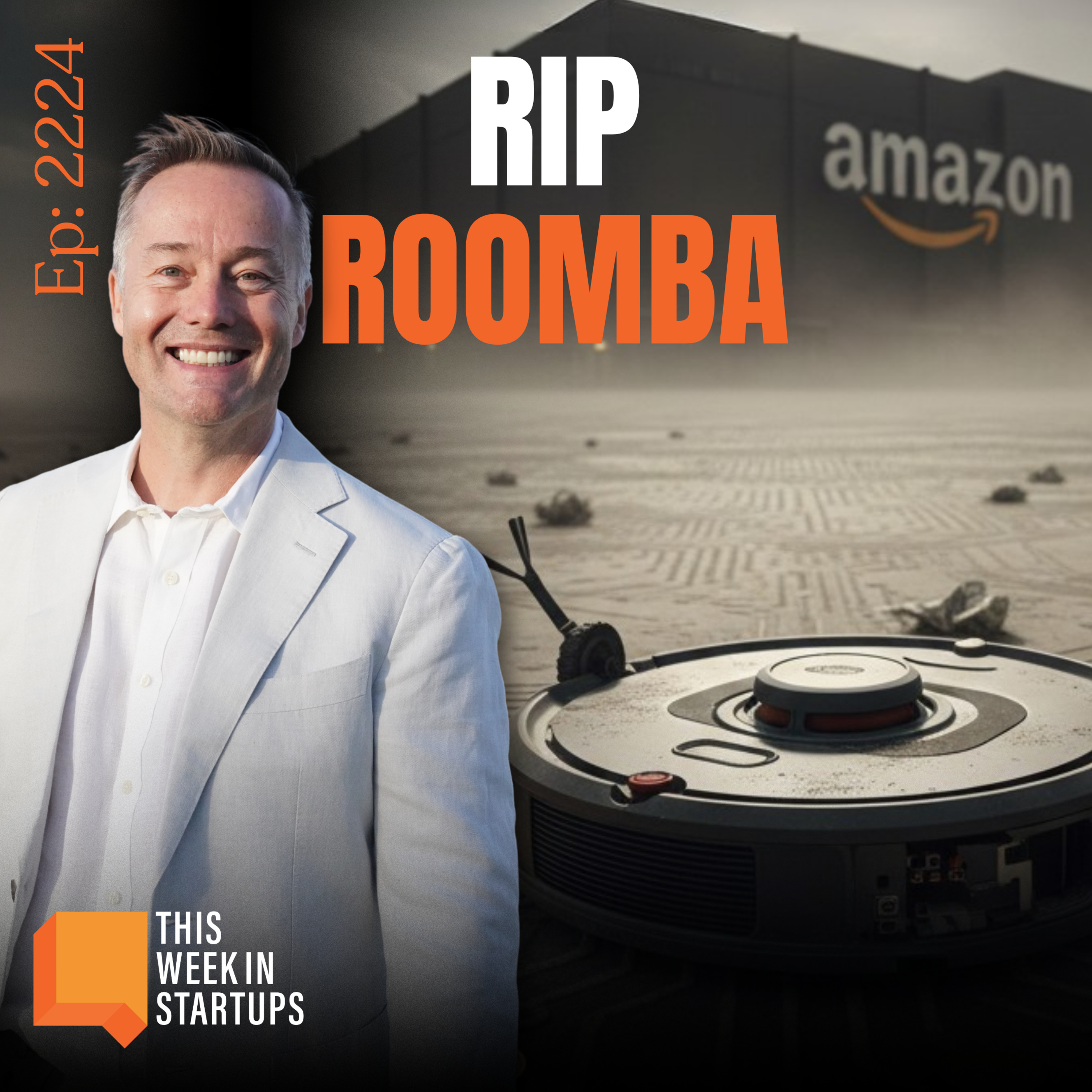
After regulators blocked Amazon’s $1.7B acquisition of iRobot, the robotics company went bankrupt. Its assets and IP were then acquired by its Chinese contract manufacturer, illustrating how antitrust actions intended to protect competition can inadvertently destroy American companies and cede technology to foreign entities.
Faced with exact counterfeit products, Scrub Daddy hired a private investigator to film a factory in China. They then used this evidence to get the Chinese government to raid the facility and seize the inventory, showcasing an aggressive approach to protecting intellectual property.
Holding a patent provides no inherent protection. Its value is only realized through active, and expensive, legal defense against infringers. Therefore, a startup's focus should be on building a profitable business first to generate the capital needed to enforce its IP.

In environments plagued by counterfeits, like Nigeria's pharmaceutical market, product value isn't just about price or convenience. A core, defensible feature is guaranteeing authenticity. This requires solving complex supply chain and tracking problems, which in turn builds a critical moat against competitors.

The AI lobby's argument to ignore IP rights to outpace China is shortsighted. The US's global strength is built on robust IP protection. Eroding this standard domestically jeopardizes the ability to protect American innovations, like OpenAI's own models, abroad. Respecting IP is the long-term strategic play.
