Get your free personalized podcast brief
We scan new podcasts and send you the top 5 insights daily.
Faced with exact counterfeit products, Scrub Daddy hired a private investigator to film a factory in China. They then used this evidence to get the Chinese government to raid the facility and seize the inventory, showcasing an aggressive approach to protecting intellectual property.

Related Insights
Unlike responsive US AI companies, Chinese firms like ByteDance are ignoring copyright concerns with models like SeedDance 2.0. This has forced Hollywood institutions to shift strategy from legal challenges to public pressure campaigns in an attempt to protect their intellectual property.

Elf Beauty's CEO, Tarang Amin, reframes copying expensive prestige products ('dupes') as a moral duty. He argues it's immoral to charge consumers excessively for products that can be made with equal or better quality for a fraction of the price, especially when many consumers live paycheck to paycheck.

Identifying unauthorized sellers on platforms like Amazon is the easy part. Getting them removed requires building a massive, forensic-level data file that documents every instance of violation. This court-ready evidence is necessary to compel platforms to take action against bad actors.

China employs a dual strategy for AI. Domestically, its Cyberspace Administration rigorously penalizes unlabeled deepfakes to maintain social control. Abroad, its companies like ByteDance face no such constraints, allowing them to use foreign IP freely and creating a significant regulatory arbitrage advantage over Western competitors.

In the absence of formal regulation, peptide users have created a decentralized trust system. They import substances from gray-market Chinese suppliers and then pay independent US or European labs to verify purity, creating a crowdsourced quality control process.

When factories in China refused to produce his insulated bottle, Travis didn't give up. He rented time on their assembly line and physically built the necessary machine modifications himself, buying screws and metal plates to adapt their equipment. This is an extreme form of taking ownership of the supply chain.
US officials and AI labs allege Chinese firms are engaged in industrial-scale IP theft. They reportedly use fraudulent accounts to extract capabilities from US models like Claude to train their own, creating a facade of domestic innovation.

With local government finances strained, there is talk of "deep sea fishing" campaigns where anti-corruption probes are used as a pretext. Officials target business people, sometimes from other jurisdictions, with the potential goal of finding wrongdoing that allows them to seize the company's assets and shore up their budgets.
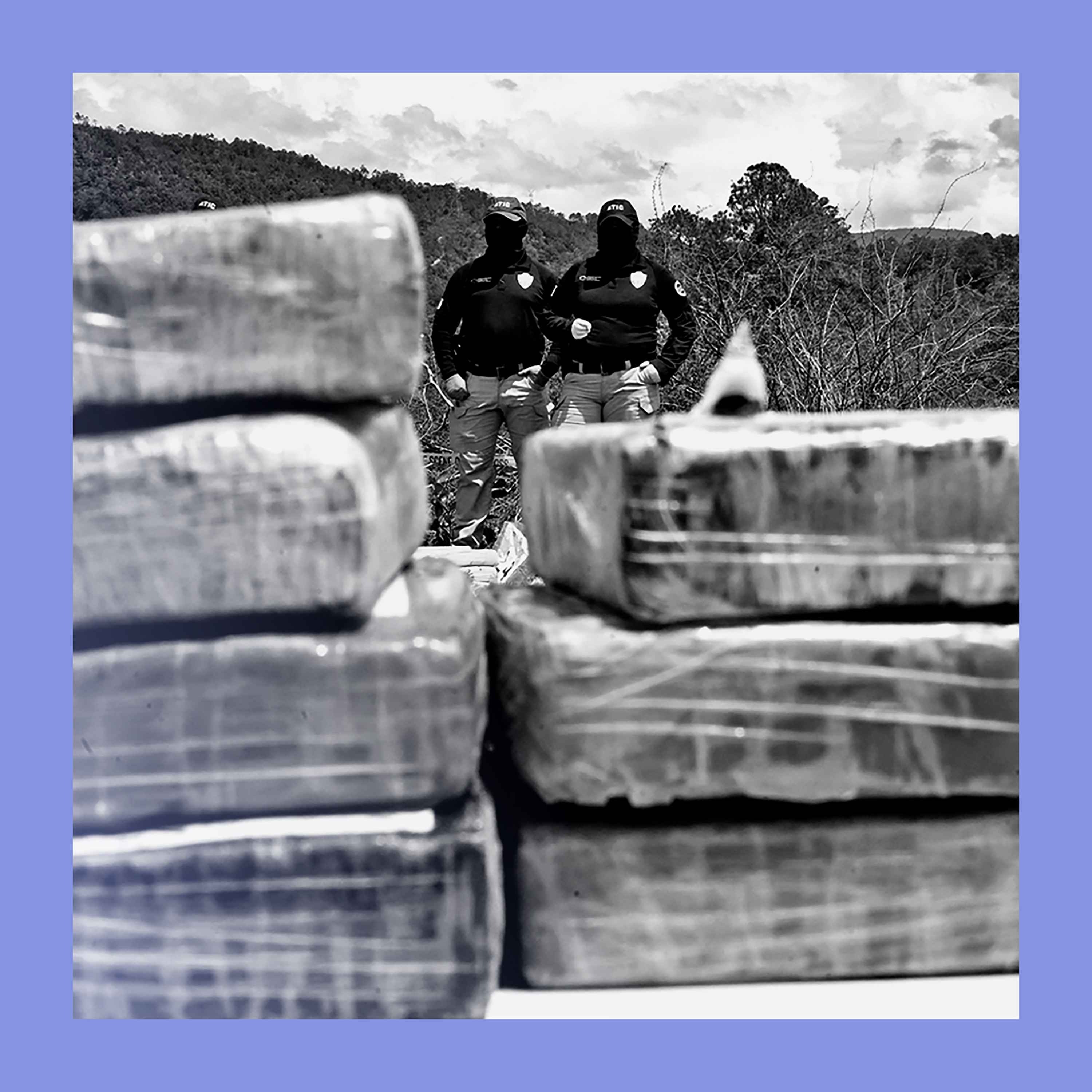
In environments plagued by counterfeits, like Nigeria's pharmaceutical market, product value isn't just about price or convenience. A core, defensible feature is guaranteeing authenticity. This requires solving complex supply chain and tracking problems, which in turn builds a critical moat against competitors.

For design-focused businesses, pursuing patents and fighting every copycat is often a losing battle. A better defense is to continually innovate and build an authentic brand story and customer experience, as these are far more difficult for competitors to replicate than a visual design.