With over half of new startup pitches focusing on AI automating existing jobs, the primary solution to this massive displacement is not retraining, but fostering an ecosystem that aggressively creates new companies, new industries, and consequently, new roles.
The INVEST Act mandates a free test allowing non-accredited investors (95% of the US) to participate in venture capital. This shifts the barrier to entry from personal wealth to demonstrated financial knowledge, potentially unlocking a massive new pool of capital for startups from everyday professionals.
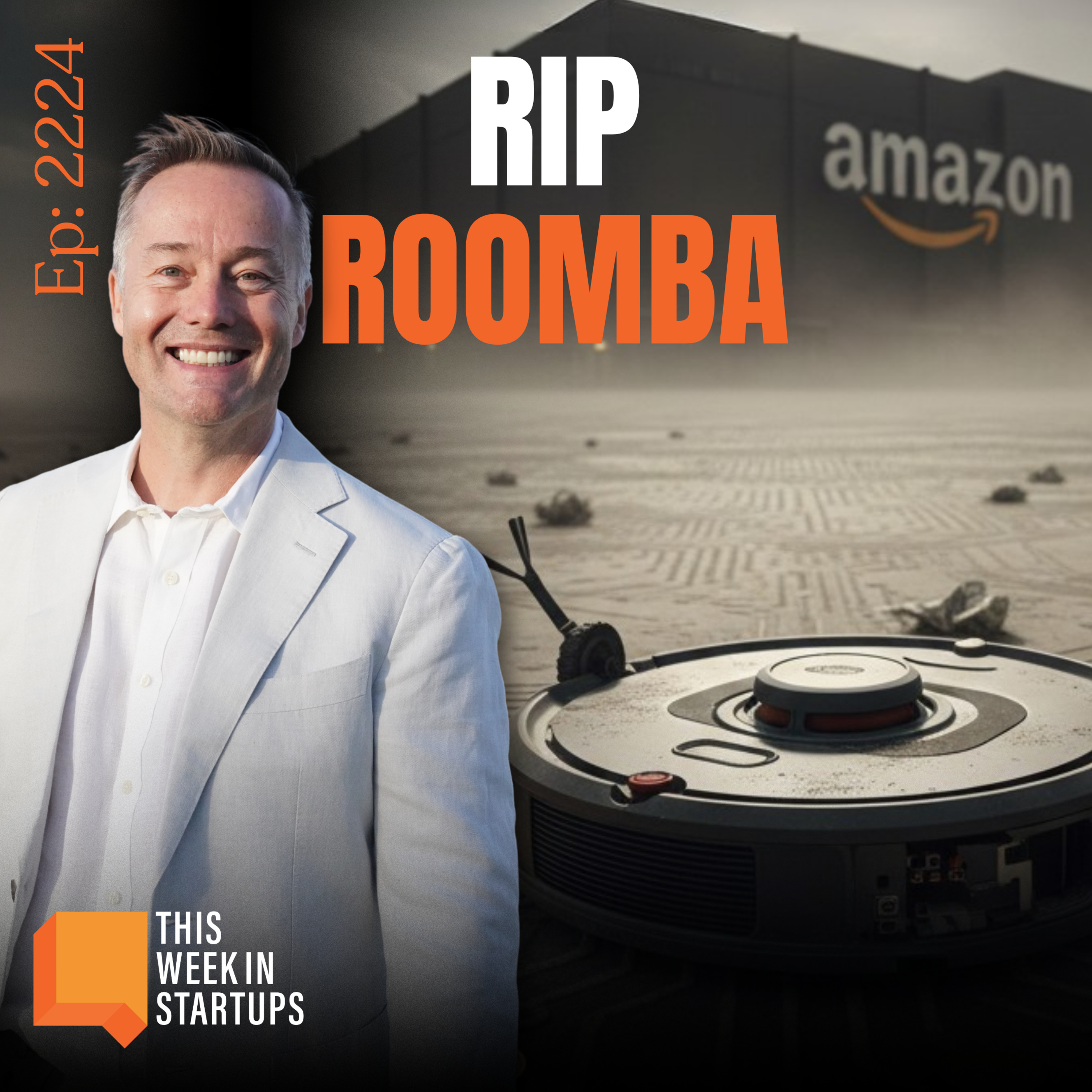
After regulators blocked Amazon’s $1.7B acquisition of iRobot, the robotics company went bankrupt. Its assets and IP were then acquired by its Chinese contract manufacturer, illustrating how antitrust actions intended to protect competition can inadvertently destroy American companies and cede technology to foreign entities.
While multi-stage funds offer deep pockets, securing a new lead investor for later rounds is often strategically better. It provides external validation of the company's valuation, brings fresh perspectives to the board, and adds another powerful, committed firm to the cap table, mitigating signaling risk from the inside investor.
By raising the cap for simplified venture funds from $10M to $50M and increasing the investor limit to 500, the INVEST Act lowers the barrier for industry experts to form their own micro-funds. This could spawn a new class of specialized VCs, such as syndicates of laid-off tech executives investing in their niche.
By acquiring robotics company Pollen, Hugging Face is creating an open-source hardware and software ecosystem. This serves as a critical competitive check against the closed, proprietary humanoid robot platforms being developed by giants like Tesla and Figure, preventing a single entity from monopolizing the future of robotics.
AI tools can instantly parse, reformat, and summarize dense documents like congressional bills, which would otherwise require significant manual cleanup. This capability transforms workflows for analysts and researchers, reallocating time from tedious data preparation to high-value strategic analysis.
The founders of Pipe, once valued at $2B, took significant money off the table via secondary sales before stepping back from operational roles. When the company's performance subsequently cratered amid operational missteps, it created deep resentment among investors and employees who were left holding devalued equity.