Get your free personalized podcast brief
We scan new podcasts and send you the top 5 insights daily.
Any significant foreign investment in Iran requires comprehensive sanctions relief, not just oil waivers. The Islamic Revolutionary Guard Corps (IRGC) is so deeply embedded in Iran's industrial economy that foreign companies cannot invest without inevitably funding a sanctioned entity, creating a major barrier to reconstruction.

Related Insights
Iran's Islamic Revolutionary Guard Corps (IRGC) isn't funded by the state budget. It operates a global network of front companies for construction and other projects, laundering money to create a self-sustaining financial ecosystem. If the regime collapses, the IRGC would likely persist as a heavily-armed mafia with international criminal ties.

Despite sanctions, Iran's decentralized oil-selling operation, involving groups like the IRGC and using front companies and small Chinese banks, is thriving. By exploiting higher global oil prices caused by blocked shipping lanes, the regime is now earning nearly twice its pre-war revenue, showcasing the resilience and sophistication of its sanction-evasion tactics.
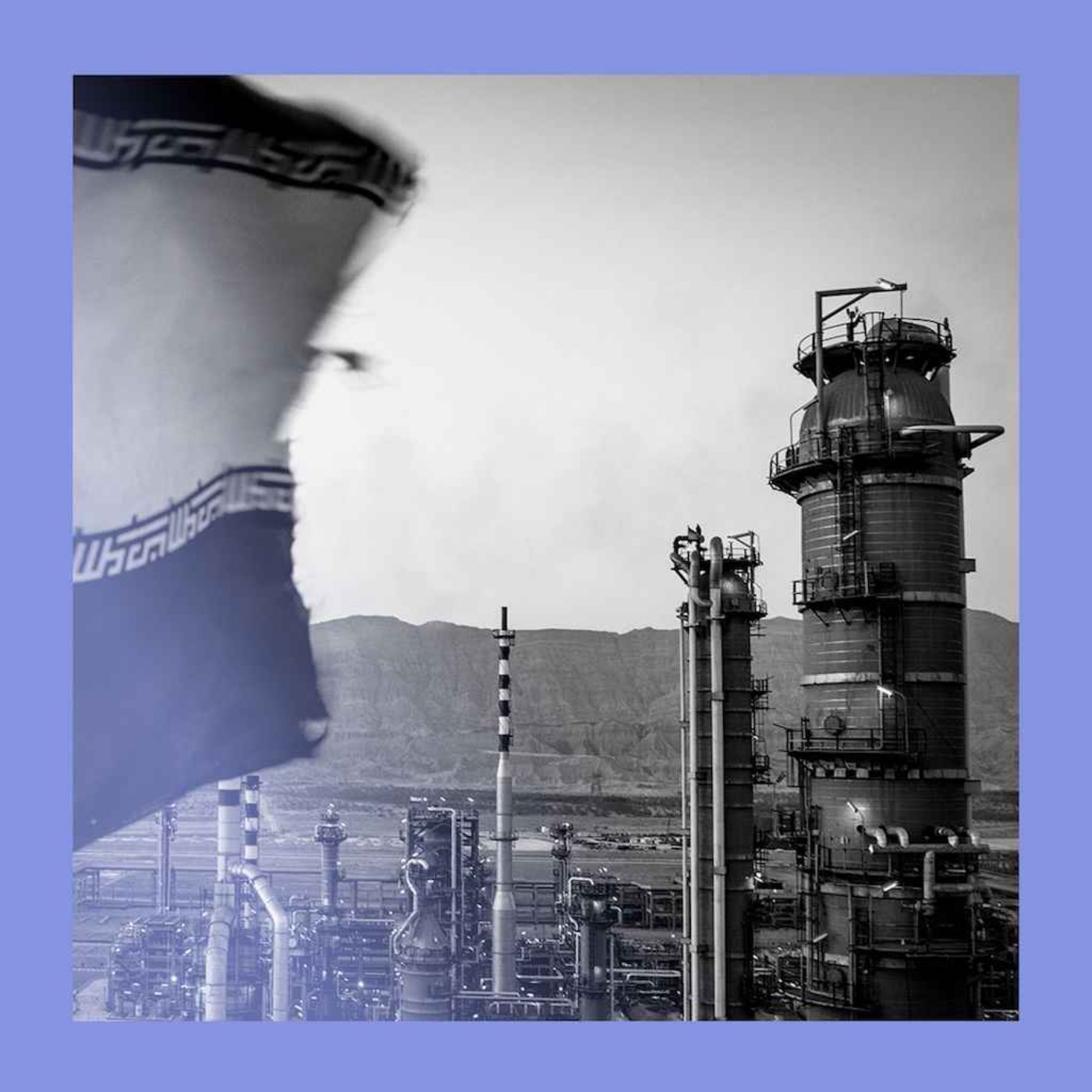
The Islamic Revolutionary Guard Corps (IRGC) has eclipsed the clergy, controlling major political and economic institutions. Ayatollah Khamenei maintains power through a symbiotic relationship with the IRGC, leveraging their military and economic might, rather than just religious authority.

Due to sanctions, Iran's oil exports go almost exclusively to China. This monopsony gives Beijing immense leverage, allowing it to demand deep price discounts and pay in yuan. The funds are held in Chinese banks, restricting Iran to using them only for Chinese goods, crippling its ability to buy essentials elsewhere.

US actions that disrupt Iran's official oil exports also drive up global prices. This creates a bonanza for smugglers, especially IRGC-linked groups, who can buy subsidized domestic oil and sell it illicitly at a huge premium, thus undermining the entire economic pressure campaign.
Engaging only with formal Iranian negotiators while ignoring hardliner factions like the Islamic Revolutionary Guard Corps (IRGC) leads to failed diplomacy. The IRGC is the true power center in Iran, and any agreement made without their buy-in is unlikely to be honored or effective, as they control the actual military assets.

The IRGC isn't just a military force; it's a paramilitary organization with near-monopolistic control over Iran's key economic sectors, from telecom to banking. This deep economic entrenchment makes it a uniquely powerful and resilient entity, capable of turning strategic chokepoints like the Strait of Hormuz into a personal toll booth.

While US sanctions are a factor, the Iranian currency's freefall is largely due to structural corruption. The economy is dominated by the military and clerical foundations, a political-economic model that stifles growth and fuels public anger—a problem sanctions relief alone cannot solve.
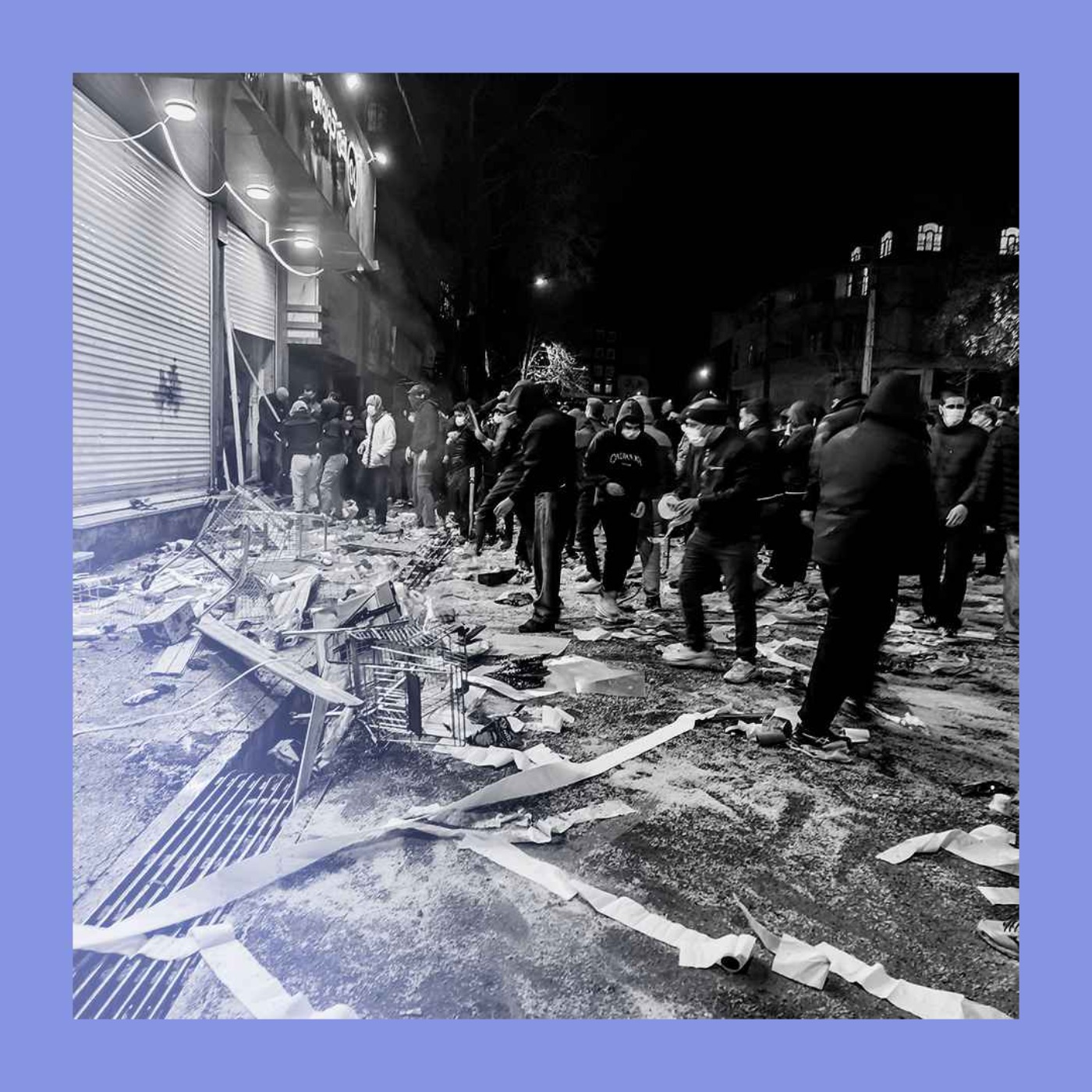
The Iranian regime is expected to withstand current economic pressures by trying to 'wait out' the crisis. The belief is that the negative impact of the resulting energy shock on the global economy will eventually weaken international resolve before their own economy buckles.

Widespread protests are fueled by everyday grievances like poverty and environmental destruction. These issues trace back to the Islamic Revolutionary Guard Corps (IRGC) systematically extorting and taking over successful private businesses, creating a corrupt and inefficient economy that angers the populace.