Get your free personalized podcast brief
We scan new podcasts and send you the top 5 insights daily.
Iran's Islamic Revolutionary Guard Corps (IRGC) isn't funded by the state budget. It operates a global network of front companies for construction and other projects, laundering money to create a self-sustaining financial ecosystem. If the regime collapses, the IRGC would likely persist as a heavily-armed mafia with international criminal ties.

Related Insights
The US raid to capture Venezuela's president has sparked talk within Iran's elite about a similar "solution": removing Supreme Leader Khamenei to appease protestors and preserve the system, rather than allowing it to collapse entirely under external and internal pressure.
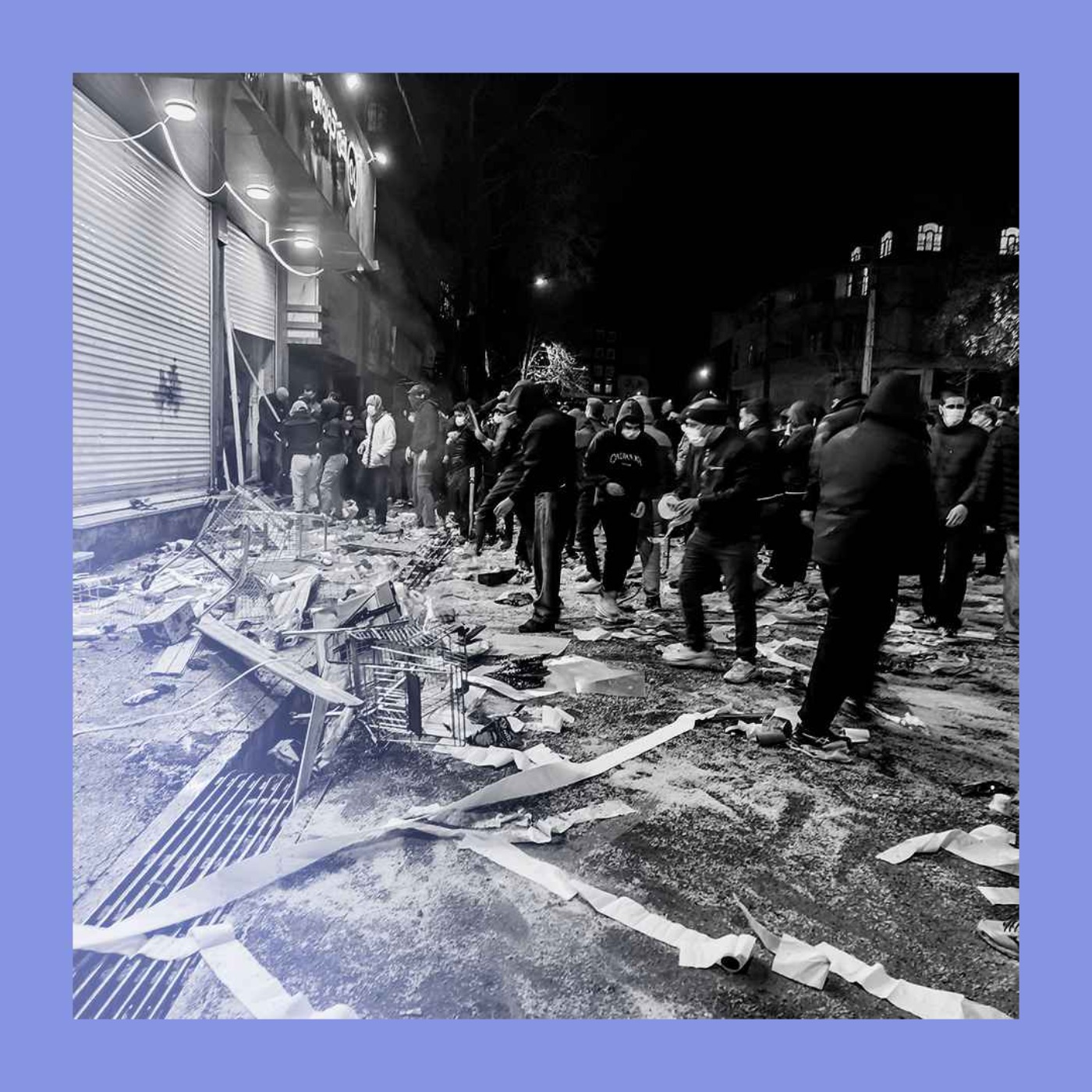
While Venezuela is a minor oil supplier to China, Iran is a substantial source of crude and heavy oil used for infrastructure projects like asphalt. A regime change in Iran could lead to the country selling its oil to the West instead of China, creating a significant economic and geopolitical destabilization for Beijing.
Modern global conflict is primarily economic, not kinetic. Nations now engage in strategic warfare through currency debasement, asset seizures, and manipulating capital flows. The objective is to inflict maximum financial damage on adversaries, making economic policy a primary weapon of war.

Nations like Russia and Iran utilize a "shadow fleet" of tankers to bypass international sanctions. These ships engage in clandestine activities, such as broadcasting false location data ("spoofing") and making illegal flag changes, forming what one official called a "Russian-Iranian axis of sanctions evasion."
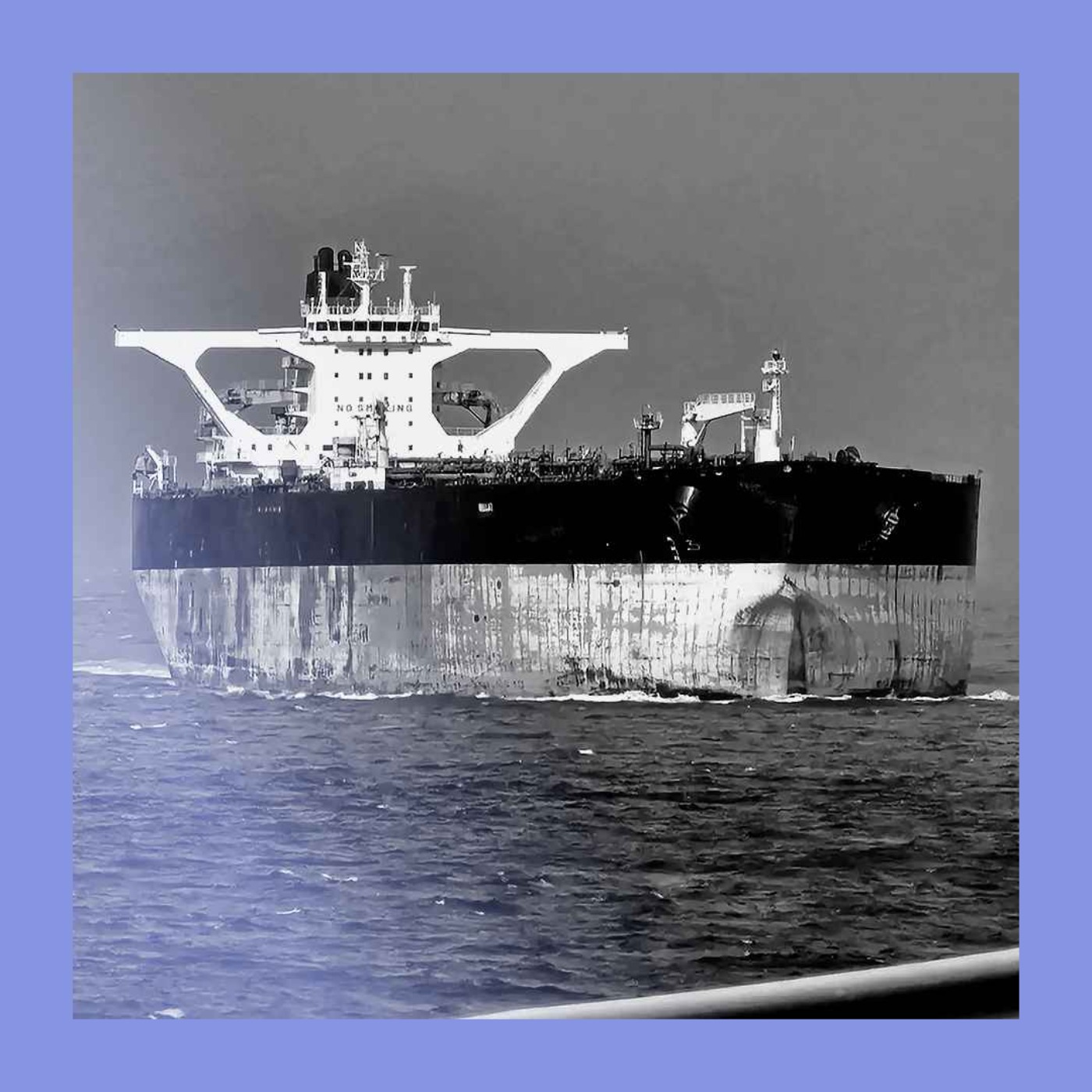
Non-governmental organizations, originally for relief and charity, were co-opted by intelligence agencies for statecraft. Their philanthropic cover provides deniability for covert operations like running supplies, money, and guns, making them effective fronts for what the speaker terms 'the dirtiest deeds.'

A clean, external removal of Iran's leadership, similar to what occurred in Venezuela, is unlikely. Iran's population is nearly four times larger, it is geographically distant, and the American political psyche associates the Middle East with costly military entanglements, creating a much higher barrier to intervention.

Illicit maritime operations are increasingly run by opportunistic, international middlemen serving multiple clients, not just Russia or China. This for-profit model, motivated by money rather than ideology, complicates attribution and enforcement efforts by Western governments.
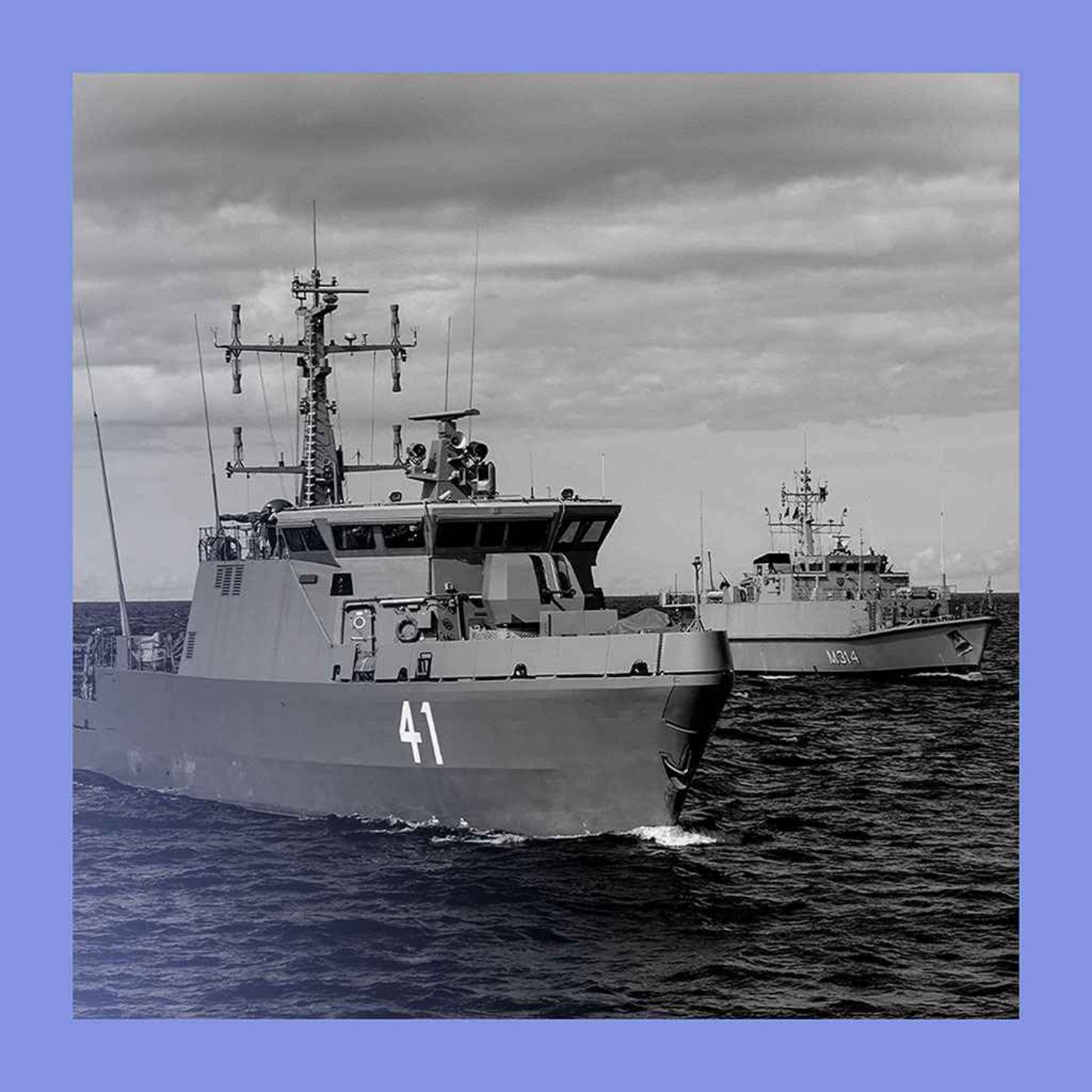
The current Iranian protests are uniquely potent because the regime is at its weakest geopolitically. The loss of regional proxies like Hezbollah and Hamas, coupled with key ally Russia's preoccupation with Ukraine, has left the Iranian government more isolated and vulnerable than during any previous wave of unrest.
While US sanctions are a factor, the Iranian currency's freefall is largely due to structural corruption. The economy is dominated by the military and clerical foundations, a political-economic model that stifles growth and fuels public anger—a problem sanctions relief alone cannot solve.
Despite widespread internal protests and instability, history shows that an external attack is one of the few things that can unify the Iranian population. A potential Israeli strike, meant to weaken the regime, could backfire by creating a 'rally 'round the flag' effect that shores up support for the Ayatollah.