Get your free personalized podcast brief
We scan new podcasts and send you the top 5 insights daily.
Engaging only with formal Iranian negotiators while ignoring hardliner factions like the Islamic Revolutionary Guard Corps (IRGC) leads to failed diplomacy. The IRGC is the true power center in Iran, and any agreement made without their buy-in is unlikely to be honored or effective, as they control the actual military assets.

Related Insights
The idea that airstrikes can decapitate the Iranian regime is a fallacy. The IRGC's influence is too deeply embedded within the society and its institutions. Killing leaders at the top will not remove this "rot," and the IRGC will simply re-constitute control, likely in an even more repressive form.

The IRGC increasingly wields the true power in Iran, while the Supreme Leader's role is becoming more symbolic. He serves as a "sacred totem" and a "lightning rod for criticism" but is ultimately a facilitator of IRGC influence rather than a check on its power.

The Islamic Revolutionary Guard Corps (IRGC) has eclipsed the clergy, controlling major political and economic institutions. Ayatollah Khamenei maintains power through a symbiotic relationship with the IRGC, leveraging their military and economic might, rather than just religious authority.
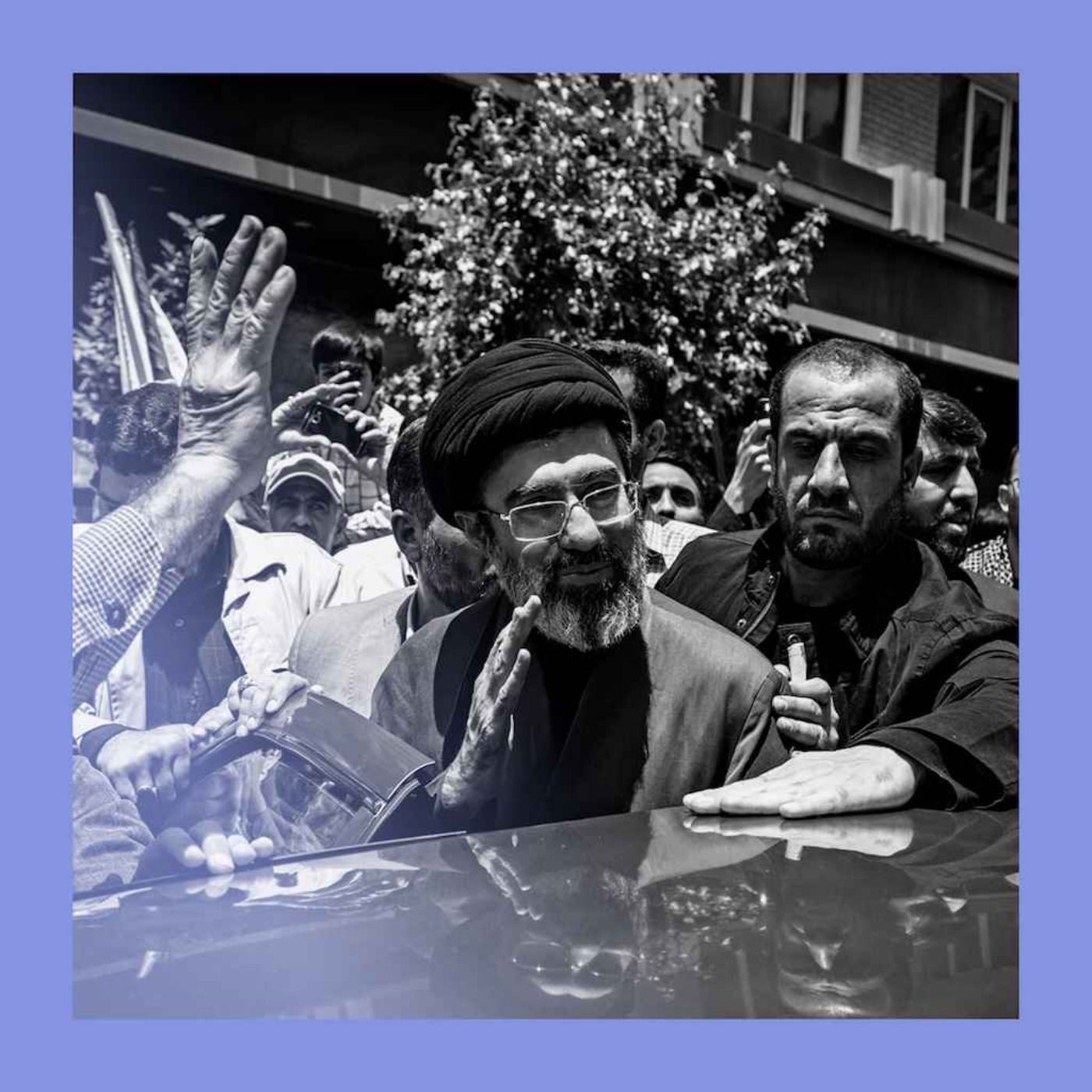
While Mojtaba Khamenei is now supreme leader, his actual control is questionable. Iran is navigating a wartime transition with leaders in hiding, allowing factions like the Revolutionary Guard to vie for influence and pull the strings, suggesting a period of fragmented authority.
Leaders often assume that applying pressure will force an opponent to the negotiating table. This strategy can fail when the adversary operates under a different logic or, as with Iran's decentralized military, when there is no single authority left to negotiate with, revealing a critical cognitive bias.

The Islamic Revolutionary Guard Corps (IRGC), Iran's most powerful institution, is the true kingmaker. A Supreme Leader without the IRGC's backing is effectively powerless, regardless of constitutional or religious standing. This makes any assassination of the leader a less effective strategy for regime change.
Iran has anticipated leadership decapitation strikes for decades, building a resilient and distributed command and control infrastructure. This allows its forces, particularly the IRGC, to continue operating and launching attacks even without direct contact with headquarters.
The White House assumed the hostage crisis was a negotiation over specific demands, such as returning the Shah. In reality, Khomeini used the prolonged crisis to eliminate moderate rivals and consolidate the Islamic Republic, making the stated demands largely irrelevant.

Iran maintains two distinct military forces. The national army's role is to defend Iran's borders. In contrast, the Islamic Revolutionary Guard Corps (IRGC) is an ideological army accountable only to the Supreme Leader, tasked with protecting the revolution and its proxies abroad.

Other US adversaries successfully appealed directly to President Trump's personalized style of diplomacy. Iran, by consistently refusing to meet with him, committed a strategic error that closed off a viable path to de-escalation and ultimately doomed the negotiation process from succeeding.