Instead of a full-scale invasion, China is employing an "anaconda strategy" of constant, low-level pressure. Tactics like cutting undersea cables and sending drones are designed to exhaust and demoralize Taiwan, making a military response from the US difficult to justify.
The obituary for plasma physicist Nuno Lurero draws a poignant parallel: his life, dedicated to understanding the unpredictable and turbulent nature of plasma, was cut short by an equally inexplicable and violent human act from a former classmate, mirroring the uncontrollable forces he studied.
The US raid to capture Venezuela's president has sparked talk within Iran's elite about a similar "solution": removing Supreme Leader Khamenei to appease protestors and preserve the system, rather than allowing it to collapse entirely under external and internal pressure.
The widely cited 2027 date for China to be ready to invade Taiwan is an American intelligence assessment, not a public Chinese declaration. It aligns with the PLA's internal modernization deadline for achieving "intelligentised warfare" capabilities, including AI and advanced networks.
While US sanctions are a factor, the Iranian currency's freefall is largely due to structural corruption. The economy is dominated by the military and clerical foundations, a political-economic model that stifles growth and fuels public anger—a problem sanctions relief alone cannot solve.
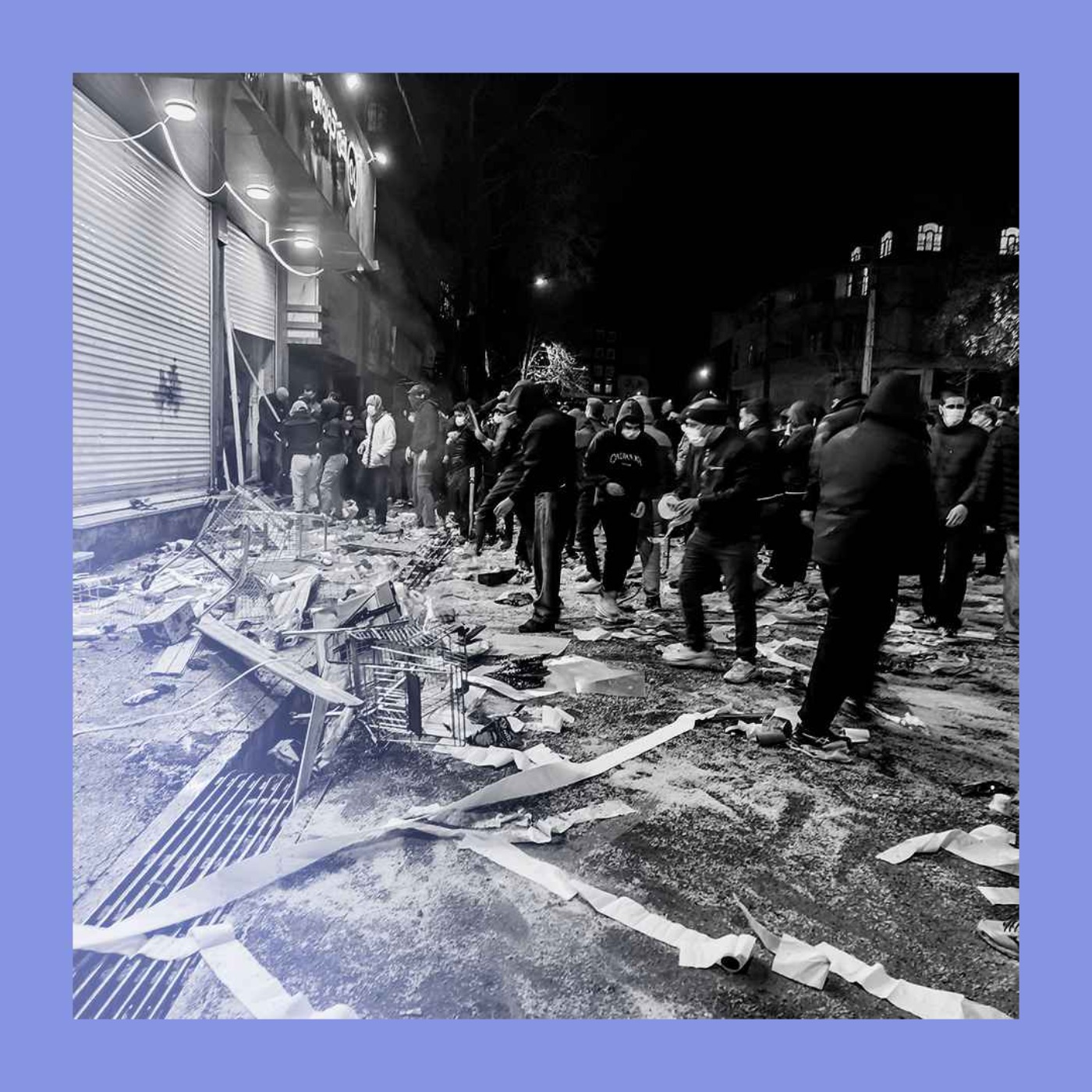
Unlike the 2022 protests led by middle-class women over social freedoms, the current unrest is driven by jobless young men—a traditionally pro-regime group—angry about economic collapse. This shift in demographics and motivation makes the government's usual appeasement tactics less effective.