Get your free personalized podcast brief
We scan new podcasts and send you the top 5 insights daily.
The Iranian regime is expected to withstand current economic pressures by trying to 'wait out' the crisis. The belief is that the negative impact of the resulting energy shock on the global economy will eventually weaken international resolve before their own economy buckles.

Related Insights
Despite sanctions, Iran's decentralized oil-selling operation, involving groups like the IRGC and using front companies and small Chinese banks, is thriving. By exploiting higher global oil prices caused by blocked shipping lanes, the regime is now earning nearly twice its pre-war revenue, showcasing the resilience and sophistication of its sanction-evasion tactics.
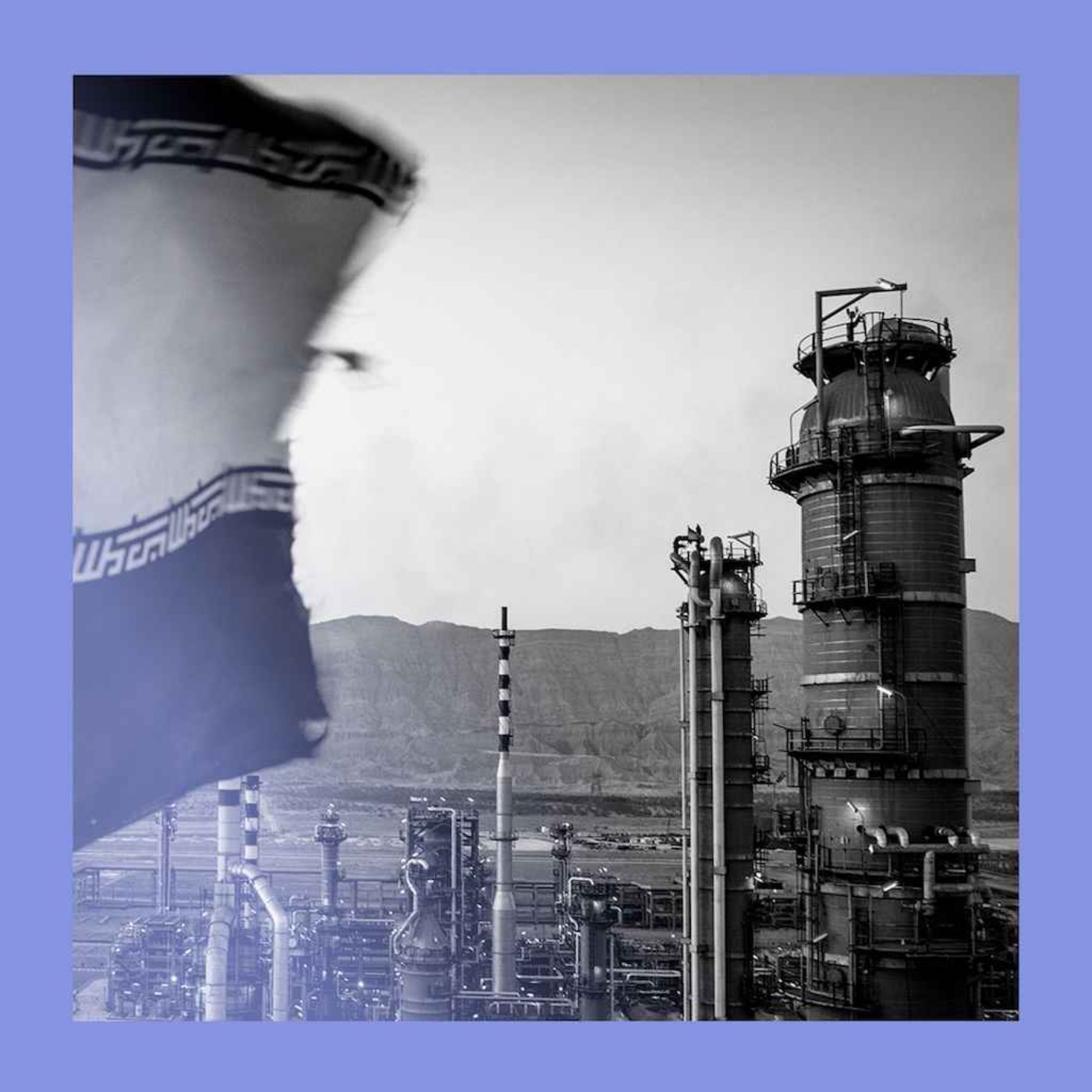
The market assumes a quick reopening of the Strait of Hormuz, but Iran is now financially better off. It sells its own oil at a premium and can potentially charge shipping tolls, creating a powerful incentive to maintain the disruption as long as possible.

US actions that disrupt Iran's official oil exports also drive up global prices. This creates a bonanza for smugglers, especially IRGC-linked groups, who can buy subsidized domestic oil and sell it illicitly at a huge premium, thus undermining the entire economic pressure campaign.

The standoff over Iran is a contest of economic staying power. The US (energy self-sufficient) and China (massive stockpiles, Russian partnership) can endure a prolonged crisis. However, Europe and many emerging economies lack this resilience and will be the first to suffer severe consequences.
Unable to achieve a decisive military victory, the US and Iran are locked in a "game of uncle." The US aims to inflict maximum damage on Iran's infrastructure, while Iran targets the global economy to create international pressure on the US to cease hostilities.

In a counter-intuitive twist, Iran is the primary beneficiary of the oil disruption it helped create. While rivals like Saudi Arabia have had to shut in production because they cannot export, Iran continues to export its oil, weakening its financial incentive to de-escalate the conflict.
The dangerous stalemate between the US and Iran continues because each side believes it has greater endurance. Tehran thinks it can hold out for months while the US economy suffers, while Washington believes Iran is on the brink of collapse. This mutual overconfidence prevents urgent, good-faith negotiations.
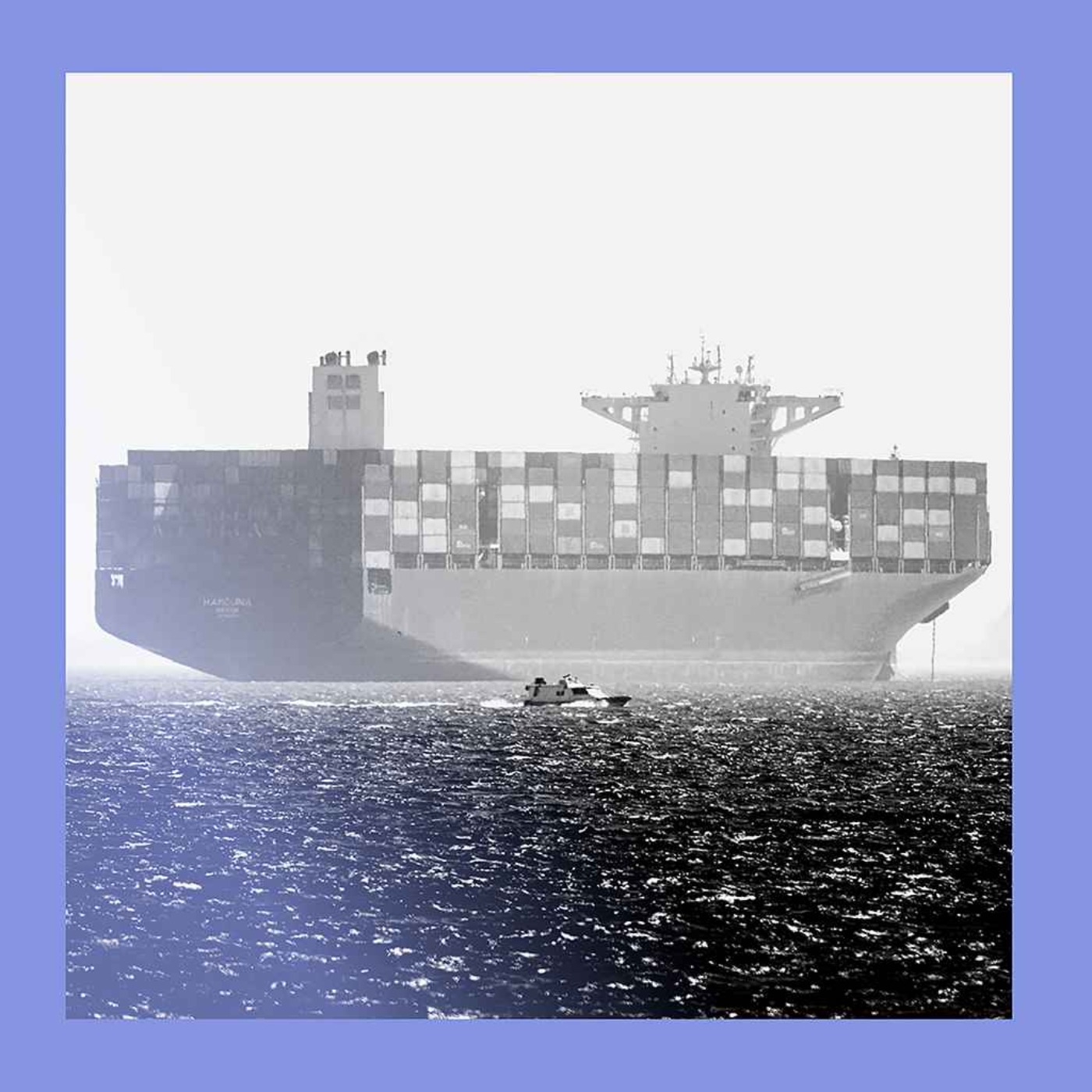
Iran's leadership is betting it can withstand economic pressure longer than the US president can tolerate rising gas prices and diplomatic fallout ahead of midterm elections. Having survived past sanctions, Iran believes its autocratic regime has more staying power than an American administration facing voter discontent.
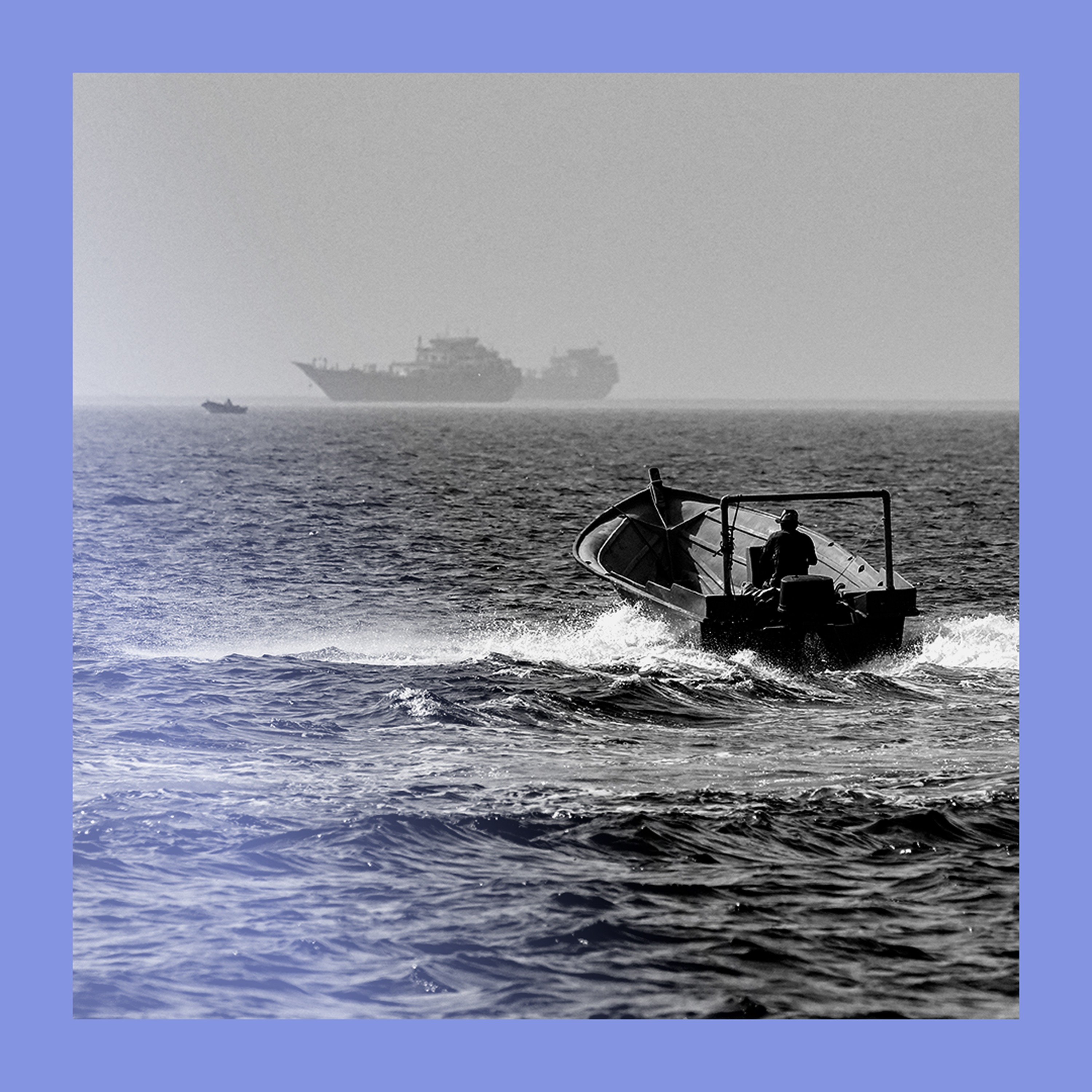
While US strikes weaken Iran's military, Trump's simultaneous focus on keeping oil markets stable allows Iran to sell its oil at a premium. This creates a contradictory outcome where Iran's economic leverage and funding for future aggression increase, even as its military is degraded.

Despite significant military losses, Iran is successfully leveraging its control over the Strait of Hormuz. This asymmetric strategy chokes global energy markets, creating economic pain that Western nations may be less willing to endure than Iran, potentially snatching a strategic victory from a tactical defeat.