Get your free personalized podcast brief
We scan new podcasts and send you the top 5 insights daily.
US actions that disrupt Iran's official oil exports also drive up global prices. This creates a bonanza for smugglers, especially IRGC-linked groups, who can buy subsidized domestic oil and sell it illicitly at a huge premium, thus undermining the entire economic pressure campaign.

Related Insights
To circumvent sanctions on its oil-based economy, Iran has boosted agricultural exports. It now supplies 90% of the cauliflowers, tomatoes, and watermelons imported by the United Arab Emirates, demonstrating a strategic economic pivot to maintain revenue streams amid international pressure.

The war in Iran is choking the Strait of Hormuz, which handles 20% of global oil. This disruption impacts nearly three times more oil volume than Russia's exports at the start of the Ukraine war, posing a significantly larger threat to the global economy and inflation.

Nations like Russia and Iran utilize a "shadow fleet" of tankers to bypass international sanctions. These ships engage in clandestine activities, such as broadcasting false location data ("spoofing") and making illegal flag changes, forming what one official called a "Russian-Iranian axis of sanctions evasion."
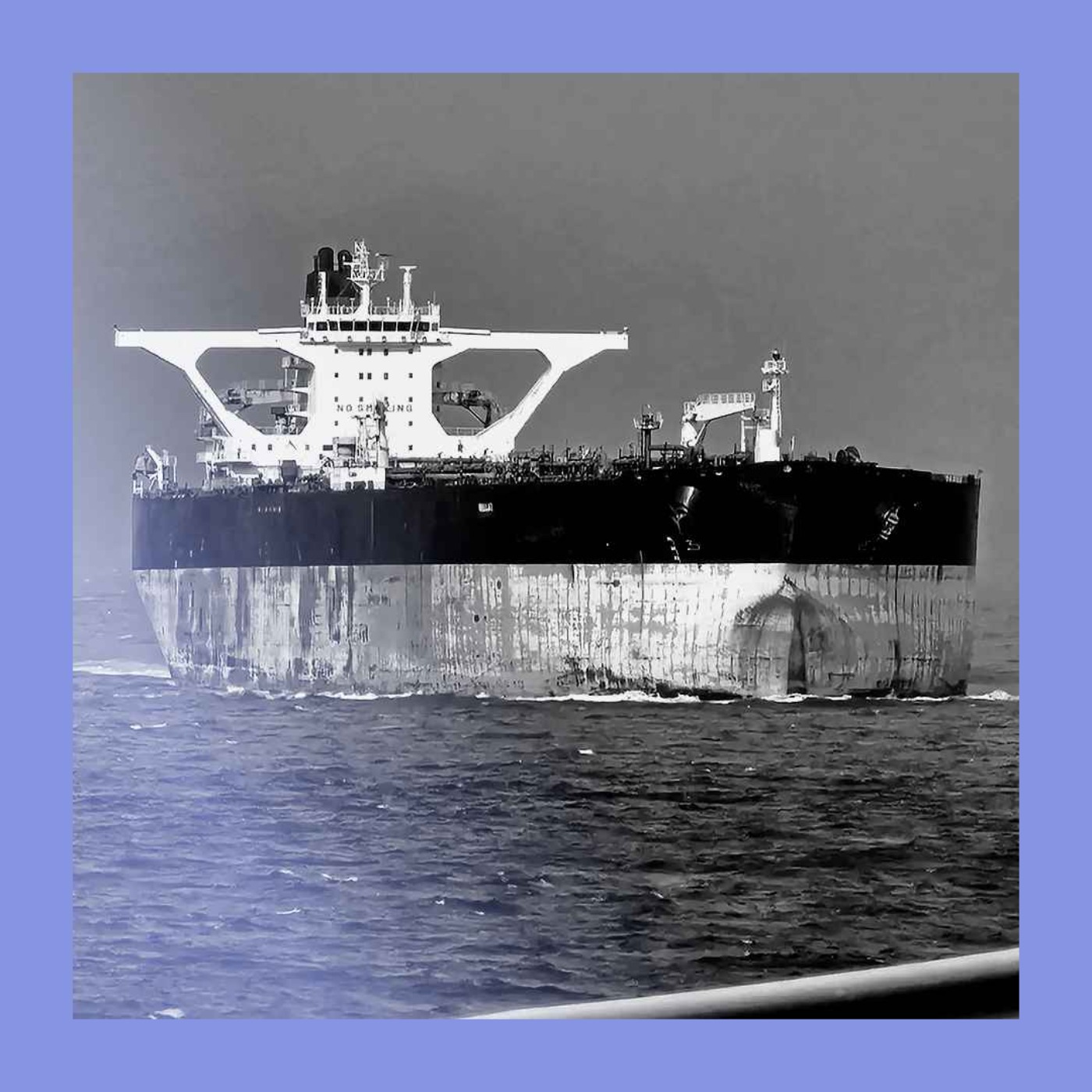
Due to sanctions, Iran's oil exports go almost exclusively to China. This monopsony gives Beijing immense leverage, allowing it to demand deep price discounts and pay in yuan. The funds are held in Chinese banks, restricting Iran to using them only for Chinese goods, crippling its ability to buy essentials elsewhere.
In a counter-intuitive twist, Iran is the primary beneficiary of the oil disruption it helped create. While rivals like Saudi Arabia have had to shut in production because they cannot export, Iran continues to export its oil, weakening its financial incentive to de-escalate the conflict.

The strategy of capturing Iran's main oil terminal, Kharg Island, to gain leverage is misguided. Iran has developed alternative export routes, including other ports, rail links, and sophisticated smuggling networks. The regime would rather endure financial pain than capitulate to foreign invasion.
Despite his stated goal of lowering oil prices, President Trump's aggressive sanctions on Venezuela, Iran, and Russia have removed significant supply from the market. This creates logistical bottlenecks and "oil on water" buildups, effectively tightening the market and keeping prices higher than they would be otherwise.

China uses small, independent "teapot" refineries to buy sanctioned oil from nations like Iran. These entities are more risk-tolerant than state-owned giants because they have little exposure to the U.S. dollar system. This parallel structure allows China to secure cheap energy while its major firms avoid direct sanctions risk.
Even if the US withdraws from the conflict, Iran has demonstrated its willingness to attack Gulf oil infrastructure. This establishes a new, persistent risk, fundamentally changing the security calculus and embedding a long-term price premium into the market that presidential rhetoric alone cannot erase.

While Brent futures at $113 indicate high stress, the physical market tells a starker story. Spot prices for actual cargoes from the Middle East, like Omani crude, are trading over $150/barrel. This physical premium is the true indicator of the immediate supply shock and risk.